
What is organic?
What is organic food?
Organic is a system of farming and food production. Organic farmers aim to produce high-quality food, using methods that benefit our whole food system, from people to planet, plant health to animal welfare.
In the face of climate change, diet related ill-health and widespread decline in wildlife, the need to change our food systems has never been greater. A transition towards agroecological farming systems, like organic, can make a world of difference.
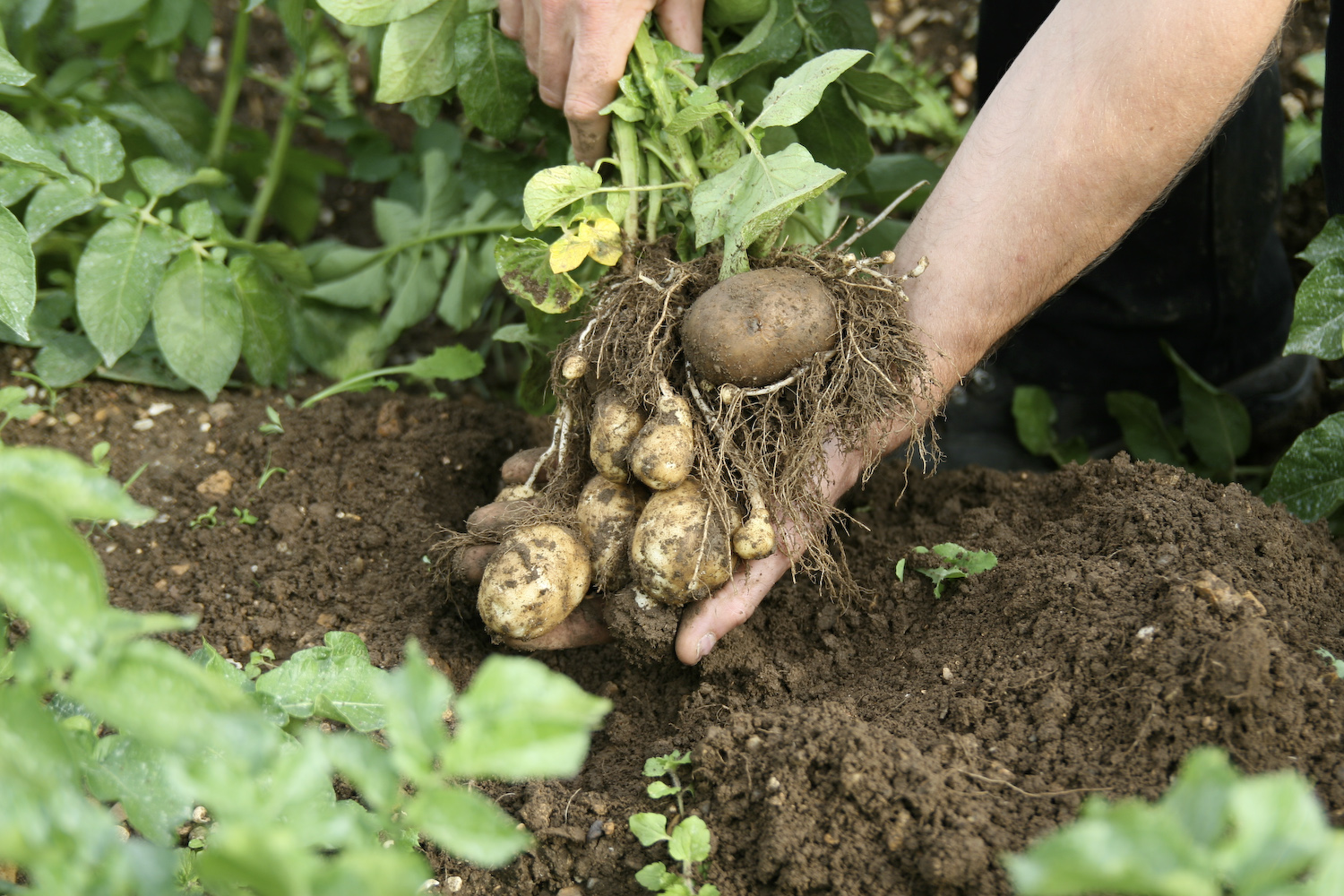
No other defined system of farming and food production comes close to delivering so many benefits for wildlife, society and the natural world. Organic farmers work to a strict set of standards, which must legally comply with strict EU regulation, to ensure that their farms sustain the health of:
- soils
- ecosystems
- animals
- people
These standards are built on the key principles of organic agriculture:
- health
- ecology
- care
- fairness
Certification is legally required to grow, process or market organic products, and all organic farms and companies are inspected by a certification body, at least once a year. This means when you see the organic symbol, you can trust that the food and drink you buy has been made in a way that is better for people, animals and wildlife, and respects the natural environment.
What does organic farming look like in practice?
Fewer pesticides
Pesticides are chemicals designed to kill insects and other pests, including weeds (herbicides) and fungal diseases (fungicides). Recent studies name direct and indirect impacts of pesticides as key drivers of global insect declines and the biodiversity crisis.
Under the Soil Association’s organic standards, all weedkillers are banned, and farmers are only able to use a very limited number of naturally-derived pesticides as a last resort (like citronella and clove oil), but only under very restricted circumstances.
Instead of relying on pesticides, organic farmers aim to create a natural balance between plants and animals to prevent pests.
Healthy wildlife populations can help control pests; farmers encourage birds, beetles and other 'beneficial insects' (like ladybirds) on to their farms to eat pests like aphids, slugs and caterpillars.
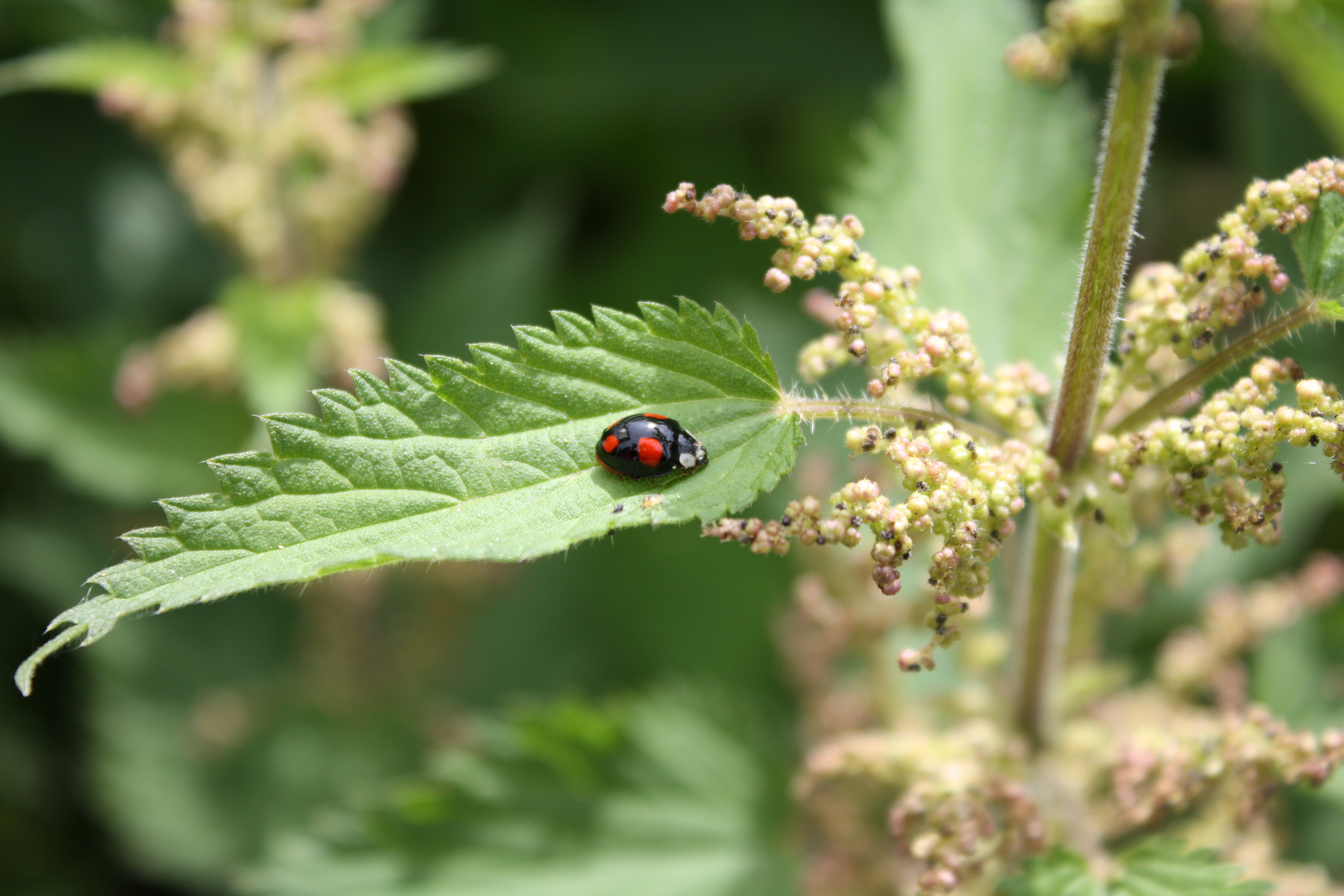
Likewise, crop rotations and careful choice of crop breeds lower the risk of plant disease, and weeds are managed by practices like mechanical weeding and planting natural weed suppressants, like buckwheat.
No artificial fertilisers
Keeping soils healthy is at the heart of organic farming - that's why we're called the Soil Association!
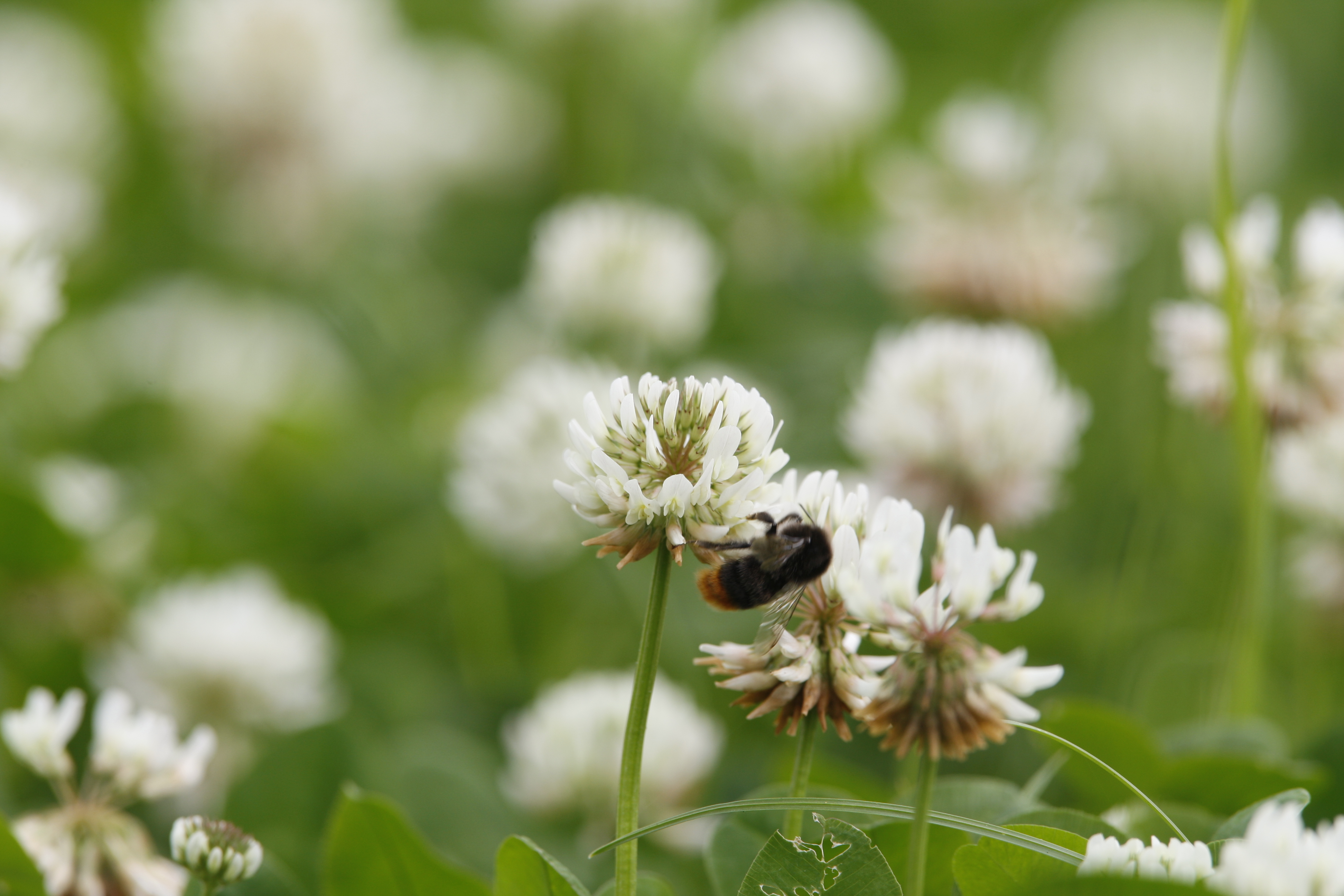
Organic farming avoids the use of synthetic fertilisers, as the principles of organic farming are based on nourishing plants naturally, by building fertile soils. Farmers do this using clover and legumes to 'fix' nitrogen, as well as using compost, animal manure and green manures (like the white clover below), and crop rotations to maintain healthy, nutrient-rich soils.
Higher animal welfare standards
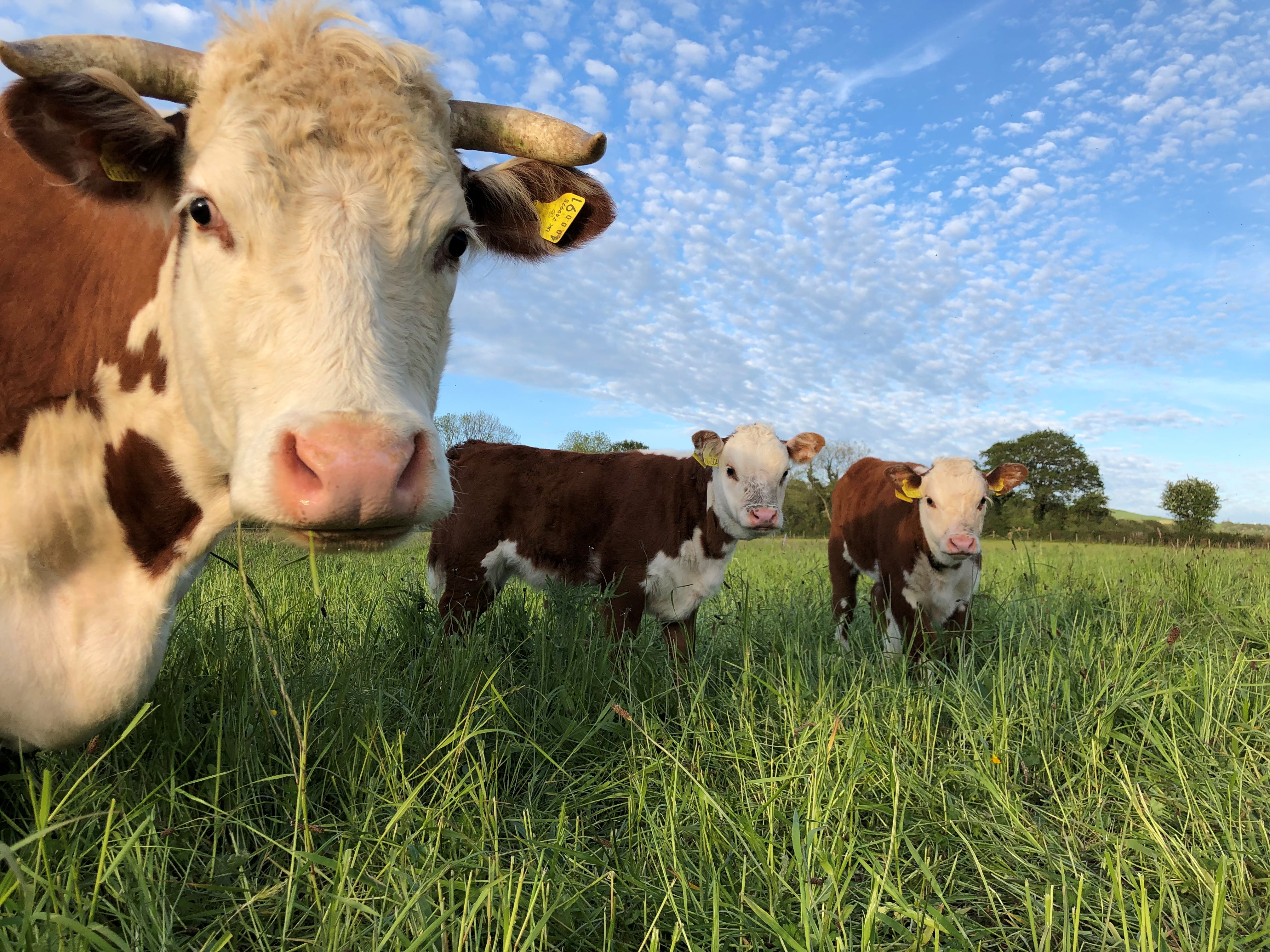
Animal welfare is one of the most important aspects of organic farming, and Soil Association Certification has the highest welfare standards for certified farming in the UK.
Every aspect of welfare is covered under organic standards, from living conditions and feed, to their transportation and humane slaughter.
-
Find out more about organic eggs
Organic eggs come from chickens on farms with the highest welfare standards. Find out what makes organic egg standards different to free-range, caged and barn eggs.
Organic vs. Free-Range
Organic standards insist that animals are truly free-range; given plenty of space and fresh air, and raised in conditions that suit their natural behaviour. This means smaller flocks and herds, and more access to the outdoors.
Painful mutilations like beak-trimming of poultry, to prevent the aggressive side effects of stress, are also not needed, or allowed.
No routine use of antibiotics
The routine use of antibiotics and wormers is widespread in non-organic UK agriculture, accounting for around 30% of all antibiotics used in the UK, but using them preventatively is banned in organic farming.
When animals are farmed in hygienic environments, fed the right diet and raised in more spacious conditions, farmers do not need to depend on antibiotics.
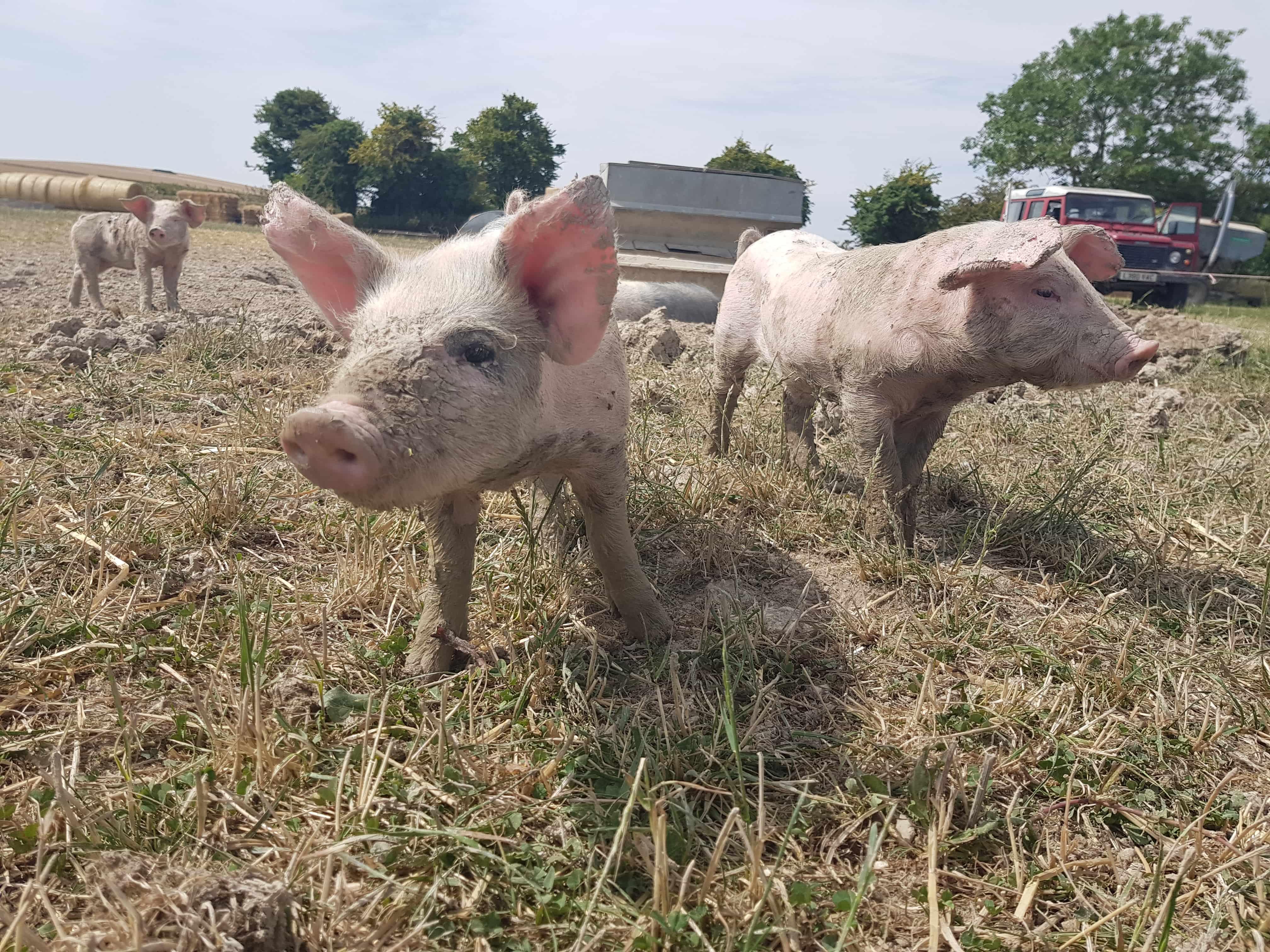
Organic farmers only use antibiotics as a last resort. And the Soil Association’s higher standards also ban the use of certain antibiotics entirely, such as Colistin, which is critically important to human health.
No genetic modification (GM)
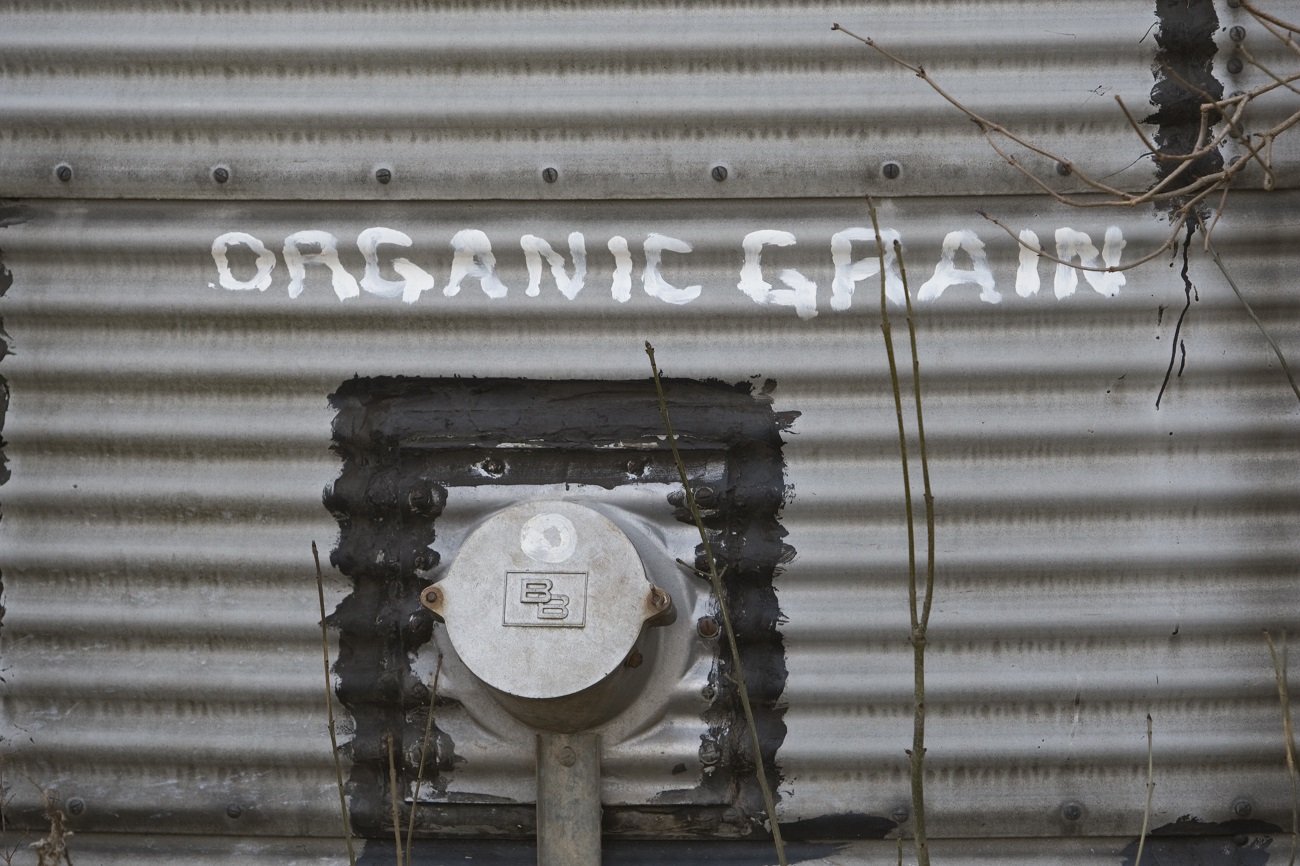
Whilst GM, or 'GMO' foods are very limited in the UK, most non-organic livestock are fed them. Organic systems are opposed to genetic modification, so organic standards ban the use of all GM ingredients, and animals on organic farms must be fed a natural, organic and non-GM diet.
Organic farmers and processors must show that they are protecting their products from contamination with prohibited products, from farm to fork.
No artificial colours and preservatives
The use of additives and processing aids is heavily restricted in organic products, and organic standards prohibit the use of toxic ingredients.
Organic foods must not contain hydrogenated fats, and many artificial food colourings and preservatives are banned, such as sodium benzoate, aspartame (artificial sweetener) and monosodium glutamate.
What does organic certification mean?
Organic certification bodies work with farmers and food processors to make sure their food meets strict organic standards, laid down in law.
In places, these standards are supplemented by the Soil Association’s higher standards (such as our ban on pig and poultry mutilations like beak tipping, feather clipping and castration).
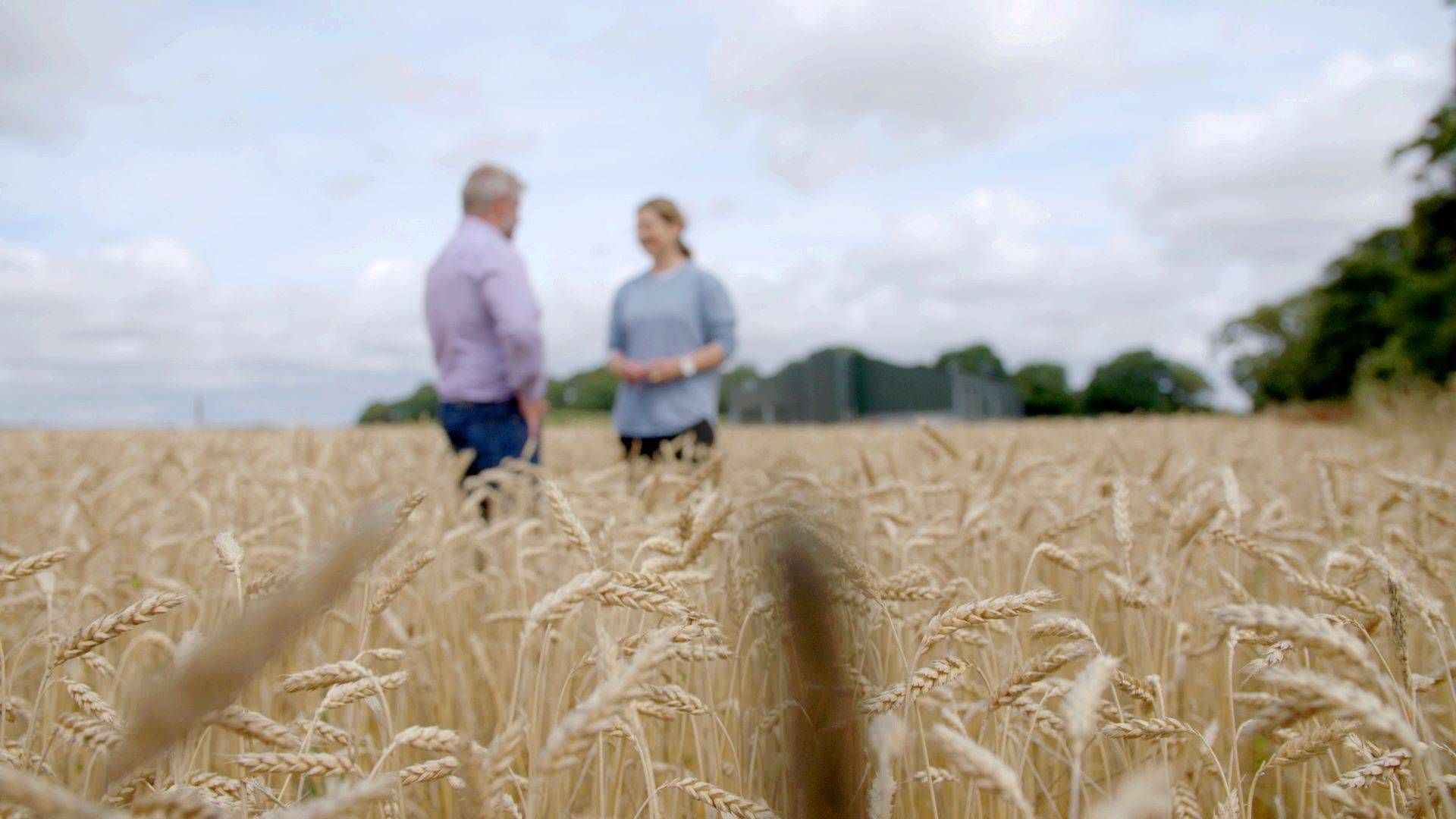
All organic farms and manufacturing companies are inspected at least once a year and some of these inspections can be unannounced.
Getting organic certification isn’t easy; when you see a product with the organic symbol, you know you’re buying a product you can trust.
What's the difference between organic and natural?
Unlike the natural labels that you might see on many food products, organic is a protected term, subject to legal regulation.
For a food or drink product to be labelled as organic, at least 95 percent of the ingredients must come from organically produced plants or animals.
These ingredients must be approved by an independent certification body, like Soil Association Certification.
Look out for the Soil Association logo – when you see it, it means the product has been certified by Soil Association Certification, who certify over 70 percent of organic food in the UK.
Did you know that wool, cotton, health and wellness products, and cleaning products can all be certified as organic too?
Wherever you see the Soil Association organic symbol you can be sure that what you're buying has been produced to the highest standards.

-
Why does organic food and farming matter?
In the face of climate change, rising diet-related ill-health and widespread declines in our wildlife, the need to produce healthy food, cut greenhouse gas emissions has never been more important. Find out more about why organic food and farming can play a leading role in building a better future
Find out more
While you’re here…
…we’ve got a small favour to ask. As a charity we rely on fundraising to do our vital work. We champion a world where people, farm animals and nature can thrive – and we’ve made huge steps forward working with farmers, growers and researchers to find pioneering and practical solutions to today’s farming challenges. But there’s so much more to be done.
You can help change the way we farm and eat for good. If everyone who visits our website and cares about the food they eat and how it’s been produced, makes a small contribution today, we can do more of the work that really matters.