Soil Association - go to home page

Search
Get involved: Campaigning, events listings, organic farms to visit, become a Soil Association member, local food guide...Information centre: Library with 100s of online documents, book and packaging shop, classified ads, image library, links and more...Media: Press releases, media contacts...Frequently asked questions (FAQs)...About us: Find out who we are, what we do, why we do it...Contact us: Key contacts, full contact directory, feedback, directions to our office...Help: Help using this website, advanced search, site map... Support the charity at the heart of the organic movement... Searchable guide to over 2000 organic shops, suppliers and organisations...
HomeConsumer guide: Your guide to an organic lifestyle...Soil Association Certification Ltd...Farming, growing and local food...Education: Wide range resources and ideas for teachers and parents...
Clothes and textiles
IN THIS SECTION
Spacer
Spacer
Spacer
Spacer
Spacer
Spacer
 » Where and what to buy
Spacer
Spacer
Spacer
Spacer
 
OTHER PAGES
 
LOG IN
Email address 
Password 
YOU ARE AT: HOME » CONSUMER GUIDE » WHERE AND WHAT TO BUY » CLOTHES AND TEXTILES

» Find out where to buy organic clothes and textiles by visiting the Organic Directory and selecting 'Textiles' under category
Isn't it time you cottoned on to organic textiles?

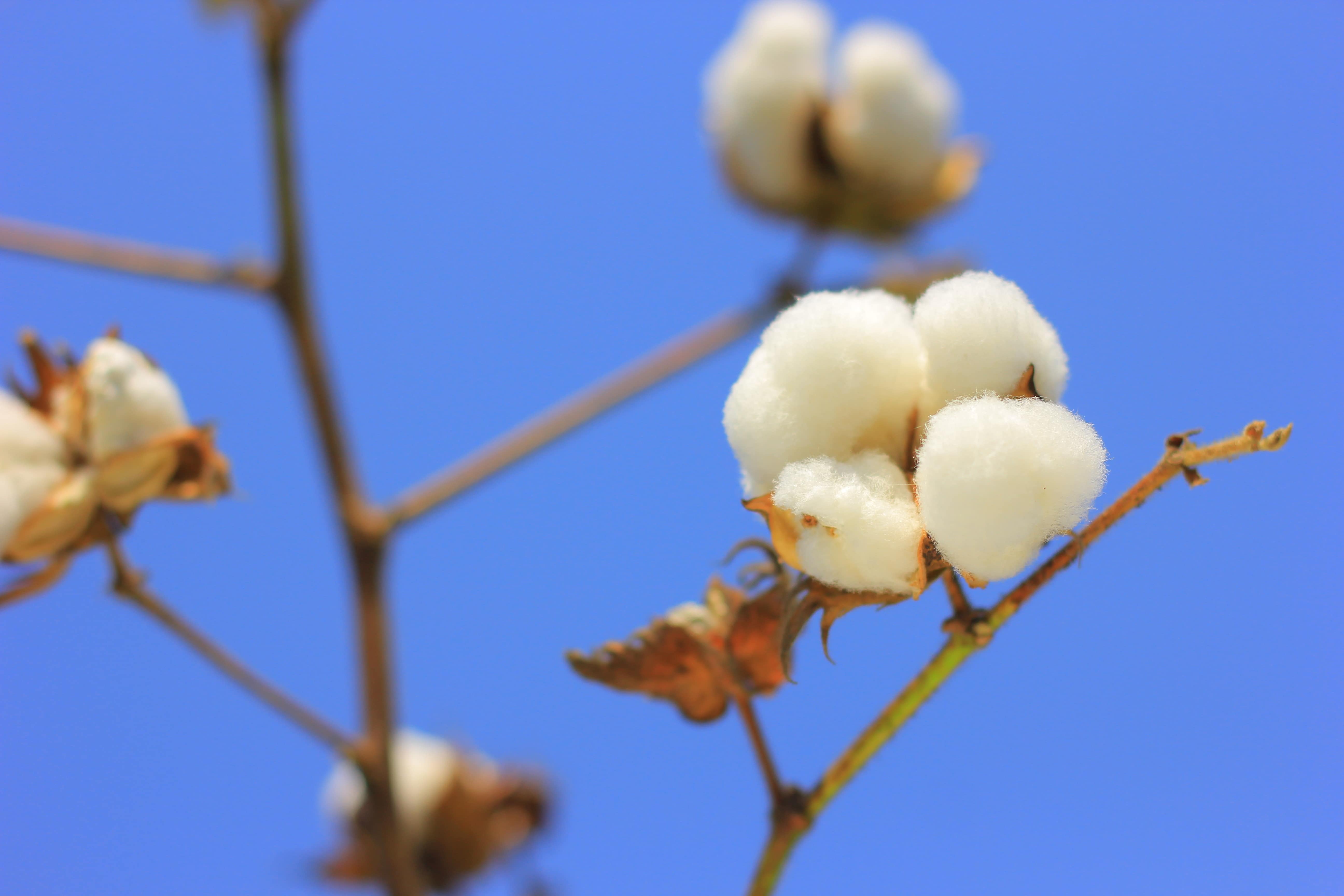
Organic cotton growingCotton farming uses one quarter of the world's pesticides and whilst wearing non-organic clothing may not directly affect our health, non-organic cotton production can have a serious effect on the health of cotton farmers. According to the World Health Organisation (WHO), 20,000 deaths occur in developing countries each year from pesticide poisoning, many of these are attributed to cotton production.

Much of the world's cotton is grown in developing countries, and as more and more pesticides and chemical fertilisers are used, the soil fertility is damaged, forcing the farmers into buying more chemicals to encourage their cotton plants to grow – and sinking them and their families into debt. This means many of these farmers cannot afford to send their children to school.

There is an alternative: organic cotton is now farmed in over 22 countries in the world, including many developing countries and there are already 25,000 organic cotton farmers in Africa. By farming organically, cotton farmers have reported that they do not have to get into debt, and using viable alternatives to pesticides protects their health. For example, Ugandan organic cotton farmers use black ants to keep the cotton pests away, and grow okra plants next to the cotton plants to attract away cotton stainers, a pest that the black ants don't attack.

Organic cotton farmers can also grow food safely on their land, which they can then use to feed themselves and their families or sell to increase their income, thus providing food security. Organic farmers also report substantially higher incomes, allowing them to educate their children and gain access to health care.

What to do if you're dyeing to go organic

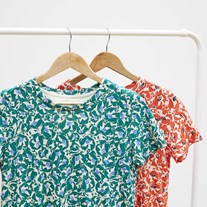
Clothes hanging on a line1. A great way to source organic clothes and textiles in your local area is to look at the online Organic Directory and select 'Textiles' under category. Alternatively, you can download a list of companies that we certify. Please note that this list includes manufacturers who may not necessarily sell directly to the public. If you would like a particular product from a company that doesn't sell directly, we recommend that you ask your local shop to stock it.
» Download the list of companies that make products certified by the Soil Association

2. Take action! If you can't find organic clothing ask shop staff or ring customer care lines to ask retailers what their plans are for stocking organic cotton.

3. Organic textiles are available for use in your home – why not start going organic by using organic towels or bedding, or when your mattress needs replacing opting for an organic alternative.

4. Log on to www.whyorganic.org – it's free to register and gives you access to offers and discounts on many of the textile companies that we certify.

5. It's not just cotton – organic leather jackets and sheepskin rugs are available, and you can even knit your own jumpers using organic wool. Find suppliers in the Organic Directory on www.whyorganic.org.


Once cotton has been harvested it needs to go through a series of processes including washing, bleaching, dyeing and printing to turn it into a T-shirt, towel or duvet cover. At least 8,000 chemicals are used in these processes – many of which are classified by the WHO as 'moderately hazardous' to 'acutely hazardous'. Soil Association organic standards ban the use of these chemicals and include criteria to ensure that organic textiles are grown and made using methods that cause the least amount of harm to humans and the environment.

The good news is that there is now an increasing number of companies making organic clothing, and even mainstream retailers are starting to stock organic ranges. Now you no longer need to choose between style and having an organic wardrobe what's your excuse for not going organic?

Further information

» Find out where to buy organic clothes and textiles - visit the Organic Directory and select 'Textiles' under category
» Organic textiles - some common questions answered
» More information on organic clothes and textiles in our library
» Information for textile companies interested in being certified as organic


Soil Association homepage