
Parties set out stalls for election
The Scottish election is just a week away, with months of campaigning coming to an end on 7 May.
Candidates and their teams will be spared the traditional ‘all-nighter’ local election count, with a change to the usual format meaning votes will be counted on Friday 8 May.
The make-up of the new parliament will start to become clear as results come in from across the country.
It would be foolish to try and predict the outcome, but what we can do is look at the manifesto commitments from each of the main parties.
What’s on offer
As always, Soil Association Scotland is concerned with the policy offerings around food, farming and land use, and there are some common themes across the manifestos.
The cost-of-living crisis has featured strongly during the campaign, with the SNP making headlines on a pledge to cap the price of essential food items. This has prompted a strong reaction from food retailers and farming bodies, with concerns that the policy may be outwith the competence of devolved powers and – even if that legislative hurdle is passed – costs will simply be passed down to primary producers.
We were pleased to see a strong focus across the political parties, including from Scottish Labour, Scottish Liberal Democrats and the SNP, on increasing local food in public procurement. The Scottish Greens went further and said they would prioritise organic and plant-based ingredients in public kitchens.
Both the Scottish Conservatives and the Scottish Liberal Democrats committed to increasing the budget for agriculture, with the Conservatives promising a £50m rise for Scotland and the Lib Dems £1bn across the UK, with increased funds for Scotland.
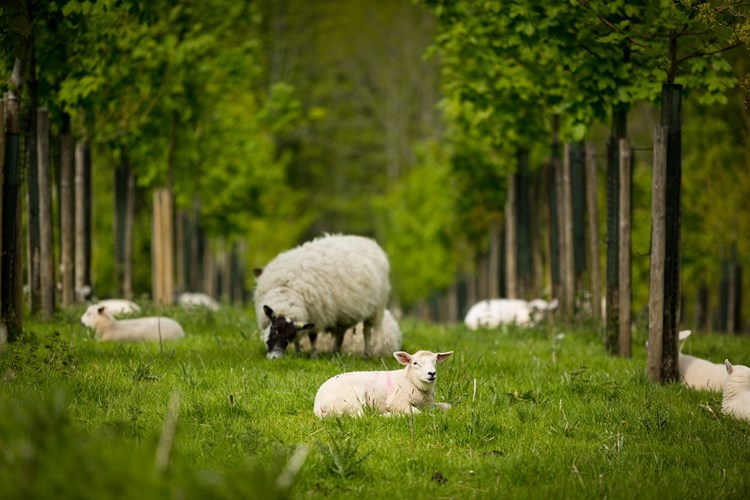
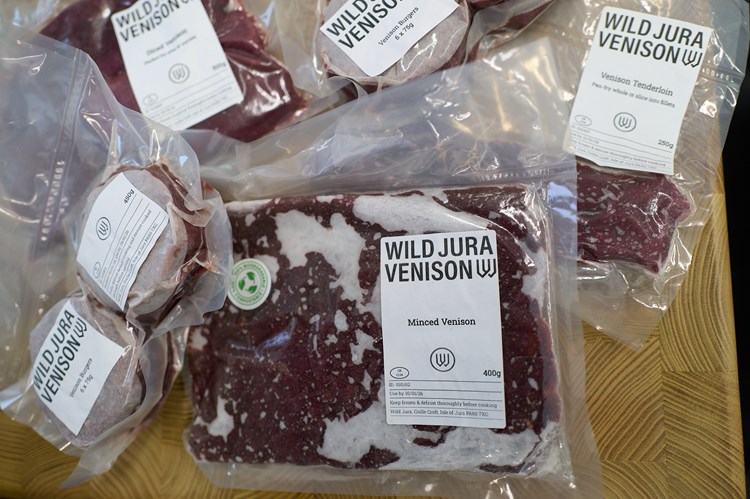
Native woodland creation featured across several parties’ priorities, including the SNP, Scottish Labour, Scottish Greens, Scottish Liberal Democrats and Reform UK, and another area where there was consensus was around deer management and the opportunity around wild venison.
How it compares to SA Scotland’s asks
Soil Association Scotland set out what we wanted to see in terms of election commitments in March, and there is some clear cross-over to what has ended up in the manifesto documents.
In addition to the above-mentioned commitments around local food procurement, woodland creation, increasing the agriculture budget and investing in local processing capacity, there are some other areas where parties have picked up on what we, and others, have been asking for.
The Scottish Greens, for example, have pledged to introduce a market garden support scheme, local food hubs, a sustainable farming skills pipeline and farm payment reform – in addition to procurement of organic – all of which were included in the SA Scotland manifesto.
The Lib Dems, in addition to commitments on the agriculture budget and local food procurement, backed a small abattoir support scheme, which relates directly to SA Scotland manifesto asks.
If Scottish Labour can form a government, then there are key points within their manifesto that are relevant, such as a commitment to capping Tier 1 farm payments to the largest recipients and redistributing funding to smaller farms (another SAS ask). Labour has also committed to investing in local abattoirs and incentivising on farm nature restoration.
For the SNP, the manifesto largely sets out existing policy on agriculture, including a commitment to moving agricultural support payments from Tier 1 to Tiers 2, 3 and 4 to support greater adoption of nature friendly farming, tripling the size of the Small Producers Fund to £1.5m and establishing a ‘public sector food procurement taskforce’ to increase the proportion of local food in public kitchens. We also welcome the commitment to build on whole farm plans with advice to develop “individual farm action plans” to support nature, climate and sustainable production.
At the other end of the scale, the Scottish Conservative manifesto has taken an ‘anti-net zero’ approach, rejecting calls for reduced consumption of meat and dairy, while Reform UK’s entire manifesto is based on abandoning climate targets, but they share the calls from other parties on abattoirs, as well as hedge and tree planting on farm.
What is missing?
We are disappointed that there are no commitments around growing the organic sector in Scotland, despite the recent launch of a new Organic Action Plan (OAP).
Compared to the 2021 offerings, there is also no explicit commitment to the Food for Life programme, despite increasing uptake being an indicator in the five-year National Good Food Plan published last year.
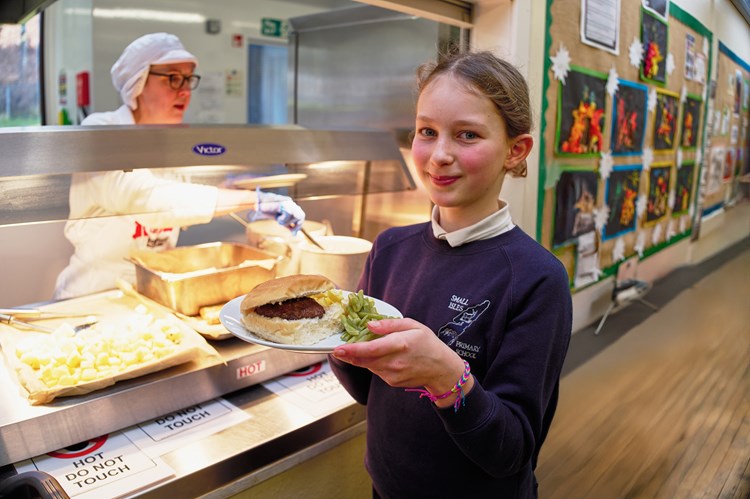
We will be making the case to the incoming government of the importance of maintaining support for the programme, which delivers enormous impact towards Scotland’s Good Food Nation ambitions, as well as continuing with current support for organic via the OAP and the Agri Environment Climate Scheme.
What happens next?
We await the outcome of the election and then will be working hard to engage with the new government and MSPs across all parties.
Depending on the parliamentary arithmetic post-election, there may be scope for some of the smaller parties to strike deals with a minority government – for example if the SNP emerge as the largest party but fall short of a majority.
This could open the door to some of the manifesto commitments above making their way into the next Programme for Government or Scottish Budget, so there could be lots to play for once the dust settles.