

Planning for Change: Transitioning from intensive arable to a diverse organic system at Kilburns Farm
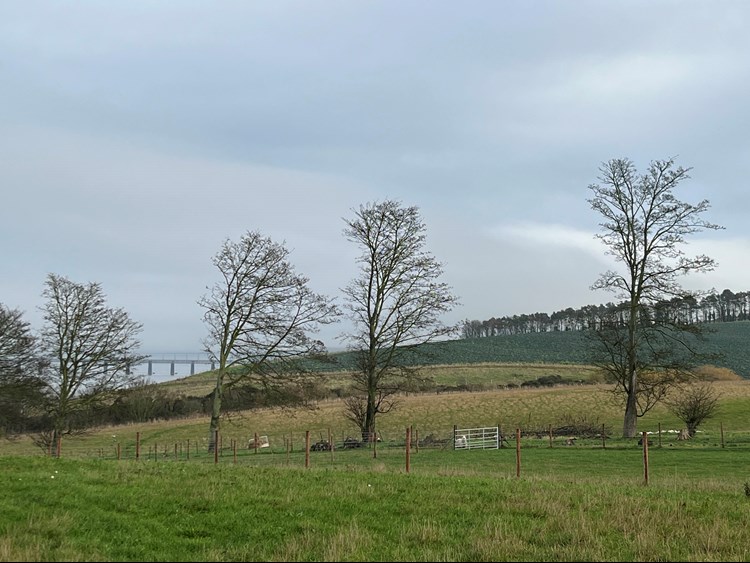
Kilburns Farm, on the river Tay near Balmerino in Fife, is run by farmer Rachel Ives, who has undertaken a transformative shift from intensive arable farming to an organic, mixed‑livestock system. The ambition was to restore biodiversity, reduce inputs, and build a financially and ecologically resilient farm business.
Why change? A deep‑rooted commitment to biodiversity
Rachel’s driving ambition was to make the farm more resilient in the long term, and reverse the decline of birds, insects and wider wildlife on the farm. She recalls that “it feels very different to walk around the farm now… every time you look around you are distracted by some form of wildlife.”
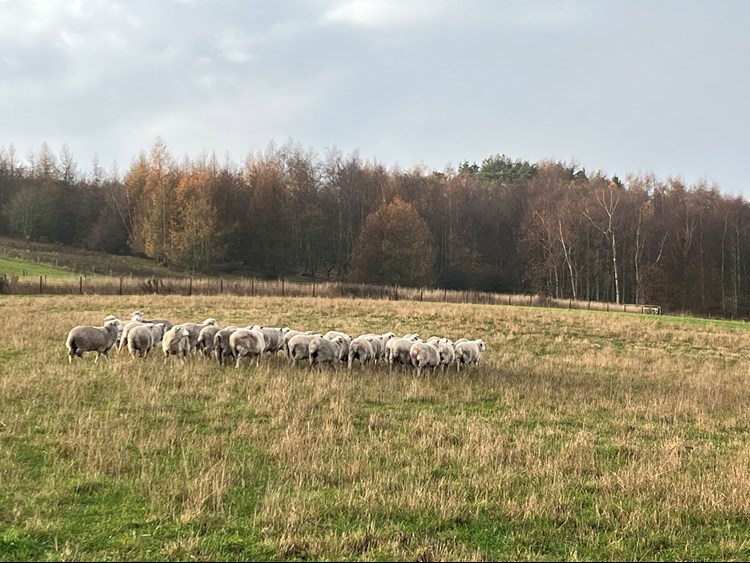
In 2020, Kilburns Farm converted from intensive arable to organic with livestock, motivated by:
- A desire to boost nature on the holding
- Rising production costs under intensive systems
- Availability of Scottish Government support for organic conversion
- The opportunity to reduce dependency on external inputs.
The aim was clear: farm with nature, not against it.
Getting started: whole‑farm planning in action
Rachel undertook several core Whole Farm Plan (WFP) audits to benchmark and understand the farm’s natural resources and environmental impacts. These audits provided essential baselines for managing change and monitoring progress:
- Carbon audit and soil analysis assessments, funded through Preparing for Sustainable Farming grants, revealed thatwhat they were doing was already efficient and highlighted further areas for improvement.
- Animal health and welfare planning: A dedicated session with the vet provided valuable insight into how livestock health is linked to soil and pasture management. Rachel described it as feeling “almost like a therapy session”!
What they changed: building a diverse organic system
Herbal ley establishment
A 65‑acre diverse herbal ley now forms the backbone of Kilburns Farm’s grazing system. The ley contains 16 species of grasses, legumes and herbs providing:
- Extended grazing periods
- Deep‑rooting plants that mine minerals
- Improved water infiltration (particularly important on clay soils)
- Natural nitrogen fixation from clovers
- Habitat for insects and ground-nesting birds.
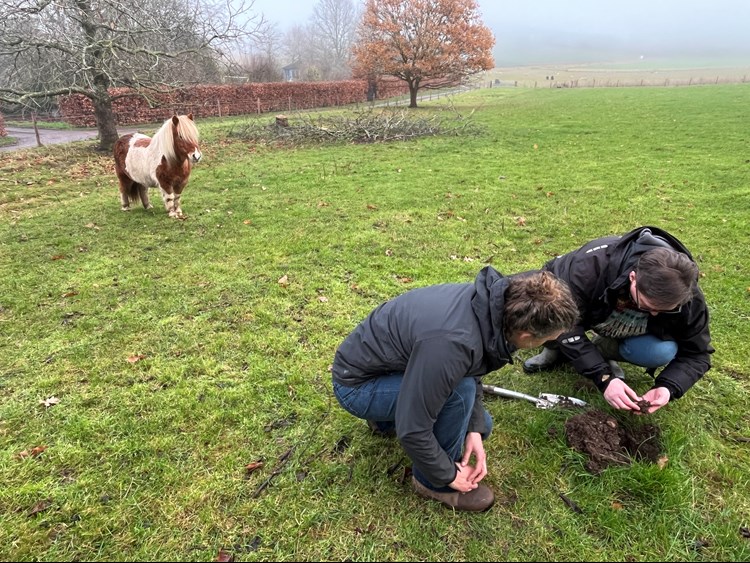
As a result, no fertiliser has been applied, with soil tests showing strong nutrient levels , increased worm count and improved soil structure.
Rotational grazing
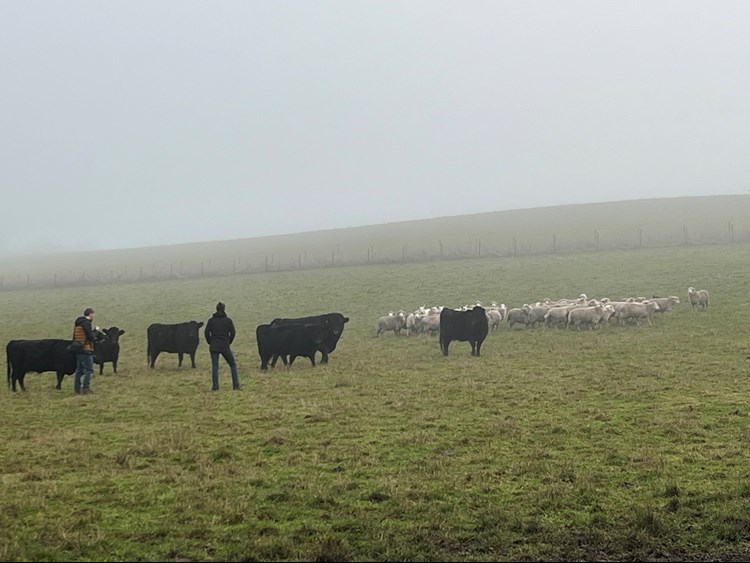
The sheep flock is managed through carefully structured rotational grazing that:
- Reduces pressure on pastures
- Promotes longer rest periods
- Allows flowering and seeding
- Boosts biodiversity.
This has significantly reduced the need for veterinary treatments and wormers, as healthier stock and soils create their own resilience.
Livestock suited to the system
Rachel prioritises selecting stock that thrive within the environment, rather than modifying the environment for the stock. This includes balmerino™ sheep, a merino‑Scottish cross, bred for hardiness in the climate and high quality wool, and low-impact. Dexter cattle which thrive in the farm’s 30-year-old native woodland – an integral part of the system, supported by funding from the Nature Restoration fund. The livestock are Soil Association (organic) and Pasture for Life certified.
What they’ve seen: impacts across the whole farm
Soil health: Soil pits and biological assessments reveal rising worm counts, strong soil structure and significant biological activity even in early winter. This improved soil health underpins the entire system’s productivity.
- Biodiversity: Biodiversity has dramatically increased, with notable rises in insects, wildflowers and ground-nesting birds. The most heartening indicator is the thriving population of curlew, now a celebrated symbol of the farm.
- Animal health: With healthier pastures, mineral‑rich forage and reduced parasite pressure, the farm now uses far fewer antibiotics and wormers.
- Financial resilience: The system has diversified income streams through wool, meat boxes from cattle, sheep meat and woodlands with potential firewood income. With few external inputs (no fertiliser or pesticides), margins have improved.
Practical advice for other farmers
Rachel’s key advice for those beginning the transition includes:
- Start with benchmarking. WFP audits – soil, carbon, animal health and welfare –provide clarity on strengths and priorities.
- Try simple rotational grazing first. Begin by moving animals through existing fields on a 6‑week cycle before progressing to tighter daily moves.
- Choose stock that fit your environment. Breed choice matters – select animals that suit your land, not vice versa.
- Embrace diversity. Diverse leys and mixed habitats support soil, animals and wildlife – and reduce reliance on inputs.
Looking ahead: a farm designed for the future
Kilburns Farm now operates as a resilient, low‑input, multi‑income system, demonstrating how Whole Farm Planning can accelerate a successful transition from intensive arable to regenerative organic mixed farming.
“It’s been useful to see what a whole farm system looks like in practice… going from quite an intensive system into a low‑input, more diverse pasture‑based system with completely different outputs.”
– Colleen McCulloch, Senior Farming and Land Use Manager, Scotland
The farm stands as a compelling example of how soil health, biodiversity, animal welfare and profitable food production can work together, not in competition.
Check out our film: From intensive arable to thriving organic: The Balmerino transformation
Explore our Whole Farm Planning resources