Whole Farm Planning
We have had a busy few months delivering the first phase of our new programme – Planning for change: a whole farm approach – designed to support farmers to implement and make the most of the Whole Farm Plan (WFP) framework.
From 15 May, farmers and crofters claiming support through the Basic Payment Scheme will need to complete at least two of the following five WFP audits:
soil analysis
carbon audit
biodiversity audit
animal health and welfare plan
integrated pest management plan
The intended aim of the WFP framework is to support farmers and crofters to evaluate the emissions associated with a business, the environmental condition of farms and crofts, the health and welfare of livestock, and the use of any fertilisers and pesticides.
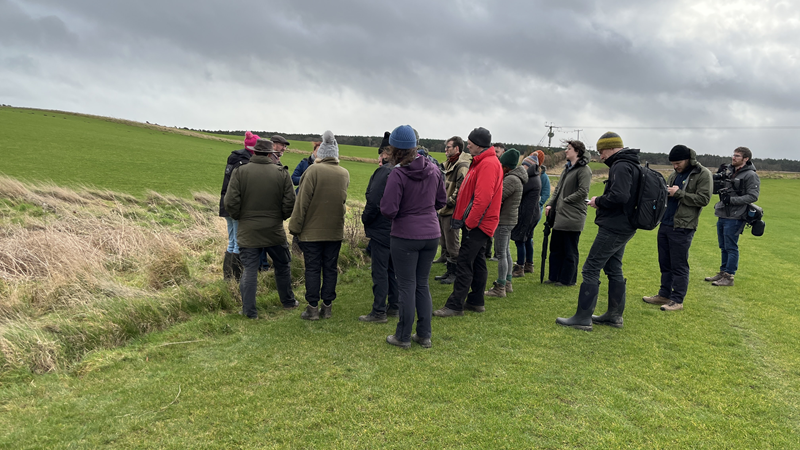
The Planning 4 Change programme aims to help participants to:
have an increased understanding of whole farm planning and agroecological approaches, and the range of potential economic and environmental benefits
feel confident to undertake a whole farm plan or elements of it, and how to look at their farm system as a whole
and
feel inspired to implement changes towards more integrated, sustainable management
Useful WFP resources
In this first phase we have run a number of in-person and online events, and produced a WFP Resource Hub featuring:
a video on Planning for change: making the most of whole farm planning, filmed with Robert Dale at Lochhouses Farm, East Lothian
Two case studies on:
Whole farm planning: setting the baseline with Charles Ekin of Lumphinnans Farm in Fife explaining how he is using a WFP approach to rebuild soil health and fertility, reduce the carbon footprint on his farm, and build resilience to the changing climate, particularly in the context of water management, shelter and habitat
Planning for change: making the most of whole farm plans with Robert Dale of Lochhouses Farm in East Lothian – looking at Lochhouses’ farming enterprises, how data is used to inform decision making, how climate impacts can impact farming operations and forward planning, how this can be factored into the WFP approach, and how features such as margins, wetlands and woodlands can be used to boost whole farm resilience
practical guides on:
Planning for change: carbon audits for whole farm planning
Planning for change: soil benchmarking for whole farm planning
webinar recordings on:
Planning for change: what is whole farm planning? with John Seed of Woodend Farm in Berwickshire
Planning for change: holistic benchmarking for whole farm plans, with Charles Ekin of Lumphinans Farm in Fife and Sustainable Farming Advisor Rosa Holt.
Whole farm plans on organic farms: crop and livestock focus; how organic crop and livestock management plans help organic farmers to deliver high animal welfare and embed nature-based solutions over pesticide use
Where does organic fit in?
Farmers and crofters who are certified organic will automatically qualify for the animal health and welfare and integrated pest management areas, due to requirements in organic for farmers to deliver high animal welfare and use natural solutions over pesticides.
Our Soil Association Scotland Co-Director David McKay recently said: “Organic farmers have always taken a whole-farm approach to protecting the environment and we are delighted that the benefits they deliver are being recognised by Scottish Government. Farmers and crofters are under pressure to deliver for nature and climate, but organic is increasingly an obvious solution with UK demand for organic products rising and backing from government.
“Taking a landscape view also means any farmer can look at using nature-based methods to protect against pest and disease, which can save them money in avoiding expensive artificial pesticides and fertilisers. But it is a big mindset change, so we are pleased to be offering support services to help farmers pick up the skills they need in this transition.”
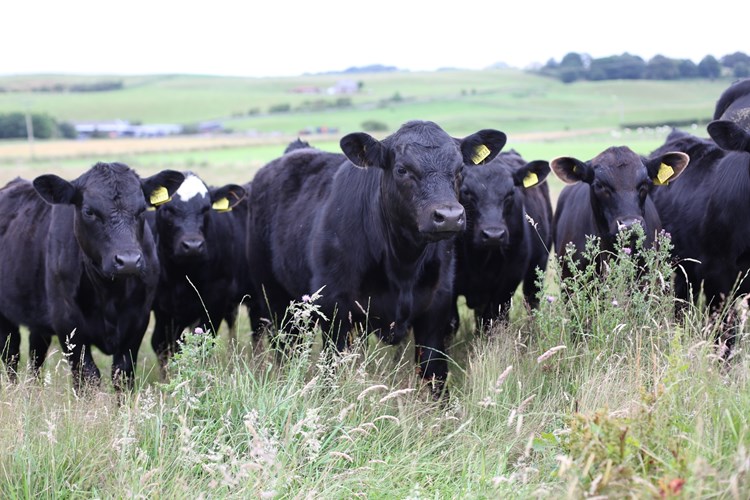
There is financial support for organic conversion through the Agri-Environment Climate Scheme (AECS). The stand-alone Organic conversion and maintenance window closes 31 July 2025, however if you are applying for Organic conversion and maintenance as part of a single application alongside other Agri-environment management options, it must be submitted by 12 June 2025.
Anyone who would like to explore if organic might be a good option for them can get in touch with Soil Association Certification for more info or an informal chat.
Keep an eye on our website for more upcoming free-to-attend in-person events and webinars which will be running over the next year.