
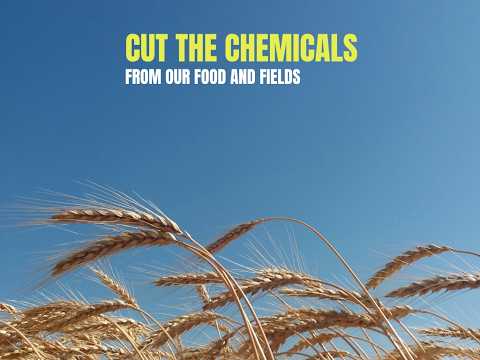
Cut the chemicals from our food and fields
Spraying crops with glyphosate just before harvest harms nature and human health. It's time to end the use of glyphosate as a pre-harvest desiccant.
On this page
On this page
What is pre-harvest desiccation?
Spraying crops with glyphosate just before they're harvested helps to dry them out faster and more evenly. There are practical reasons farmers do this, but it also poses risks.
Glyphosate sprayed on our food so close to harvest stays in our food - and evidence of its harms are mounting.
The EU has already banned glyphosate as a pre-harvest desiccant. It's time we did too.

How does glyphosate harm nature?
Glyphosate impacts wild plant species, invertebrates, birds, amphibians, mammals, fish and soil microorganisms.
To revive nature in the UK, we need to change the way we farm - stepping off the chemical treadmill to farm with nature, not against it.
Learn about the problem with pesticides
How does glyphosate end up in our food?
Spraying crops so close to harvest leaves no time for the herbicide to dissipate.
Glyphosate residues can end up in the grain that goes into our bread, cereals and beer. Nearly half of bread tested in the UK contains traces of glyphosate - and scientists have linked it to cancer and other serious health problems.

We need to change how we farm - for healthier people and a healthier planet
Food security, human health and nature's revival need us to radically rethink how we farm.
Protecting soils, ecosystems, animals, and people must be prioritised.
We aim to transform how land is farmed and managed, supporting farmers, growers and foresters to adopt nature-friendly practices that restore soils, protect wildlife and help create a sustainable future for everyone. Find out how we are changing farming and forestry