Action to tackle the interlinked climate, nature and dietary health crises must be a priority for the next parliamentary term.
We are already experiencing more frequent extreme weather events, one in nine of our species in Scotland is at risk of extinction, and just 11% of Scots are eating the recommended five a day.
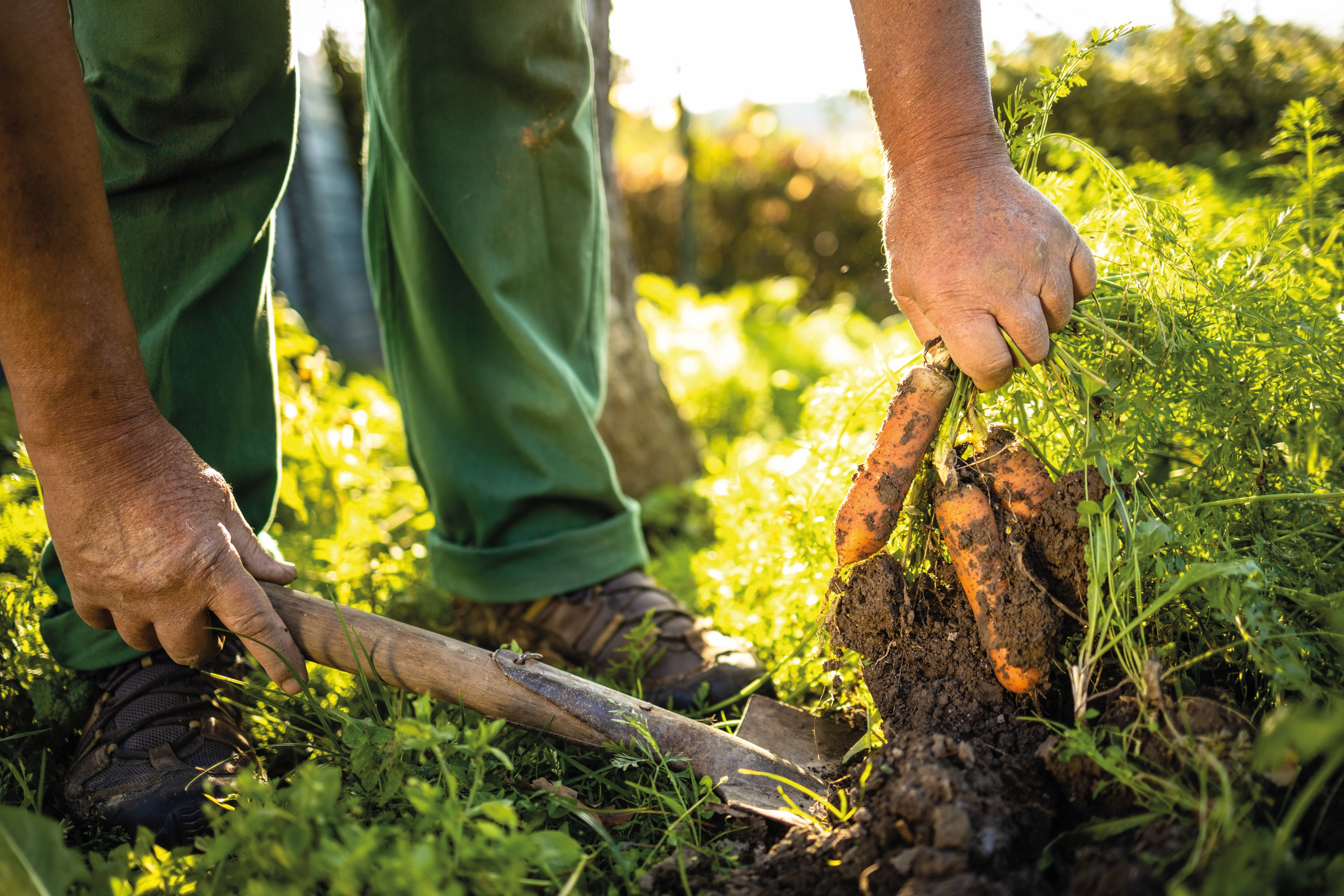
Our response must start with a focus on soils. More of our farmers, growers and crofters must be supported to transition to low input, agroecological systems such as organic, to build more resilience to a changing climate and restore biodiversity at a farm level.
However, primary production is just one part of a complex food system. The next government must use public procurement to drive demand for sustainable and organic food while encouraging reduced consumption of Ultra Processed Foods, which a growing body of scientific evidence is linking to chronic disease and ill-health. Improvements to public health will ultimately lead to improvements in the economy, and savings for the NHS.
The next parliament must also focus on scaling up the restoration of degraded peatland, incentivising regenerative forestry practices, encouraging landowners to collaborate at landscape and catchment scale and ensuring natural capital opportunities are available to small and medium sized farms as well as larger landholdings. All this activity will help to deliver on national climate and nature targets.
Our manifesto asks for the 2026 election are split into three theme
1. Deliveringa ‘Good Food Nation’
There is a huge opportunity to use the power of public procurement to deliver on the objectives of the Good Food Nation Act 2022.
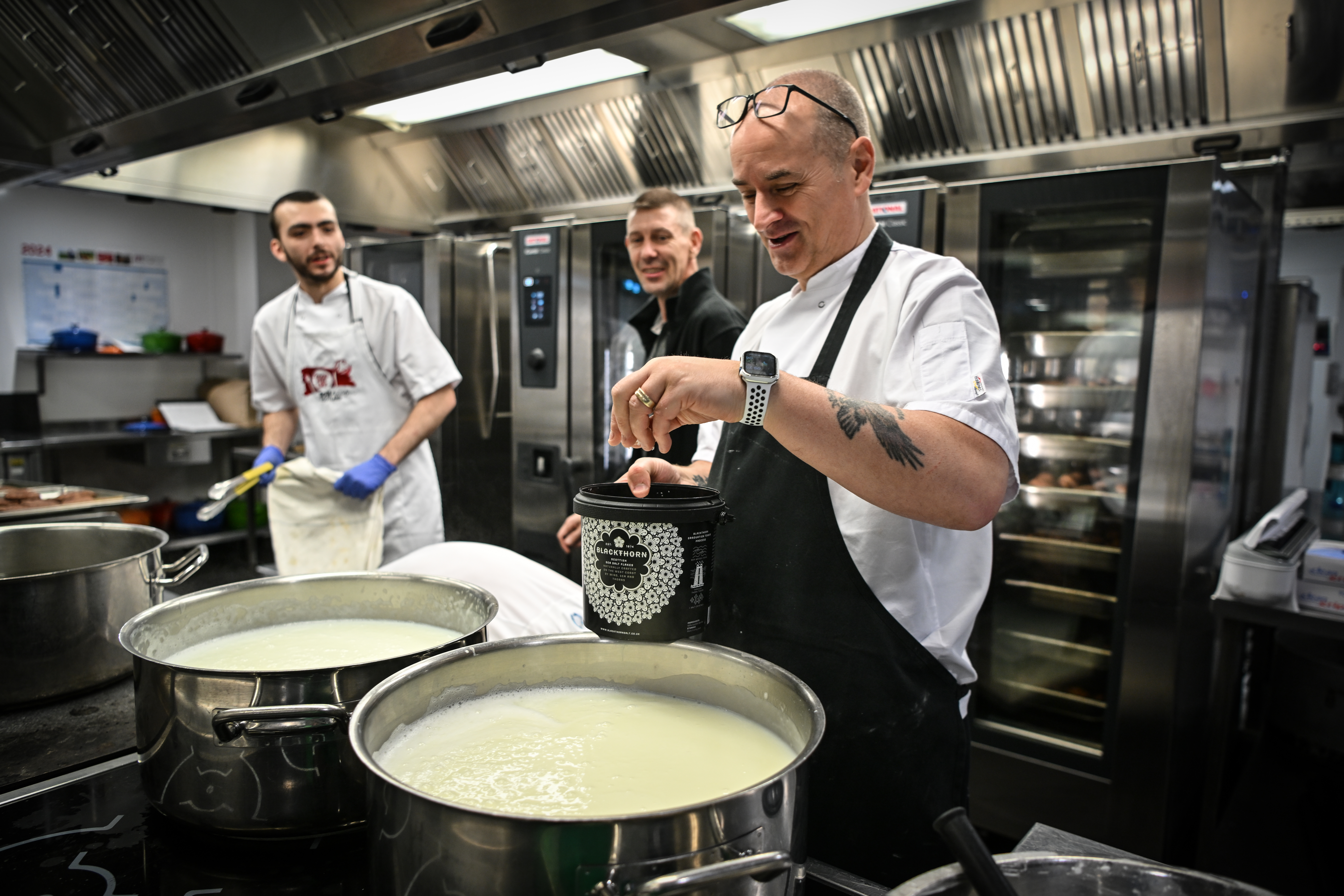
The Scottish Government funds Soil Association Scotland to deliver the Food for Life programme, which is now working with more than half of Scottish local authorities to get more fresh, local and organic produce into school canteens.
This model has recently expanded through a pilot scheme in Glasgow to other public sector settings such as government buildings, courts, care homes, colleges and universities. FFLSH rewards spend on organic ingredients through its ‘silver’ (5%) and ‘gold’ (15%) levels.
Investing in public procurement can address multiple policy challenges at once, supporting our farmers and investing in local economic growth by getting more Scottish food on the table, improving children’s dietary health, and protecting the environment by championing sustainable production systems like organic.
The next government should:
Invest in the Food for Life Served Here (FFLSH) model as a mechanism to boost local sourcing of sustainable Scottish food.
Local Authorities do not currently pay for the FFLSH model and receive the following support free of charge: supply chain, data analysis and evolution, communications and press support, alongside recipe development, training and partnership work. Research has shown that every £1 invested in Food for Life brings a social return on investment of £4.41. By investing further in the FFLSH model, the next government can continue to promote Scotland’s producers as intended through Good Food Nation.
Making FFLSH bronze certification mandatory for all local councils.
This would enable local authorities to meet National Good Food Plan outcomes to promote more local and sustainable Scottish food, while meeting broader policy objectives on local economic growth, health and the environment. FFLSH bronze certification prioritises farm assurance schemes such as Quality Meat Scotland red meat and Red Tractor chicken. This can also provide a platform for local authorities to move up to silver and gold FFLSH accreditation through spending on organic ingredients.
Provide financial resource to public bodies (local authorities and health boards) to help deliver Local Good Food Nation Plans.
Local councils and health boards in Scotland are required to produce Local Good Food Nation Plans under the terms of the Good Food Nation Act 2022. However, budgets for food and catering are not ring fenced, and local authorities are struggling financially. The next Scottish Government must ensure that adequate resources are provided to allow councils to develop effective local food plans.
Set a target to reach 10% organic ingredients in public sector procurement spend by 2035.
The Scottish Government has initiated an Organic Action Plan for 2025-28 that aims to increase the amount of organic food produced and consumed in Scotland. A key lesson from successful European nations is the use of public procurement to drive demand. The FFLSH model rewards spending on organic ingredients through its silver and gold levels, and a national target can help to drive increases in buying of organic ingredients in the public sector.
Explore the development of regional food ‘hubs’ to address capacity challenges in local processing and distribution.
Delivering on the Scottish Government’s ‘Good Food Nation’ ambition requires investment in more localised supply chains. This means producers must have access to processing infrastructure for meat, vegetables and pulses as close as possible to where food is grown. Funding and ownership models for regional food ‘hubs’ that combine processing, storage and distribution activity should be explored by government.
Protect consumer choice by securing a labelling system for any produce developed using gene editing or precision breeding techniques.
The UK Government has passed the Genetic Technologies (Precision Breeding) Act, creating a framework to allow the commercial use of gene-edited crops and later, farm animals. The Scottish Parliament did not agree legislative consent, but that will not stop gene edited food from appearing on supermarket shelves. We are calling for mandatory labelling and full supply-chain traceability, alongside co-existence measures to protect organic and non-GM farming.
Amend the national dietary guidance to include a percentage reduction target for the consumption of Ultra Processed Foods.
There is a strong and growing body of scientific evidence linking the over-consumption of Ultra Processed Foods (UPFs) to chronic disease and ill-health. More than half of the current UK shopping basket is UPFs, and for young people, UPFs represent 60% of their dietary intake. Scotland should follow the lead of France, which has set a target for reducing consumption of UPFs in national dietary guidance.
2.Investing in nature friendly farming
The current budget for agriculture is insufficient to deliver on climate and nature goals. Around £600m is committed annually, but the scale of need to deliver on environmental and climate goals is far higher.
There have been challenges in delivering CAP replacement schemes based on the Scottish Government’s Vision for Agriculture partly due to constraints with the current IT system. There is a need for standardised metrics at a farm level to monitor progress towards targets for emissions reduction and nature restoration. Actions that deliver for climate and nature on farm, such as reducing inputs, integrating trees, improving animal health and nutrition, cover cropping and diverse grassland swards should be supported.
There should also be support for approaches that can evidence delivery of environmental outcomes such as organic, and investment in facilitated peer-to-peer knowledge exchange programmes to share best practice on sustainable farming.
The next government should:
Agree an increased, multi-year budget for agriculture to support farmers and crofters to transition to climate and nature friendly farming.
Farmers, crofters and land managers are being asked to help tackle and adapt to climate change and restore nature, while continuing to produce high quality food. But the budget has not kept up with inflation and has been shrinking in real terms. Funding for agriculture is also no longer ring-fenced and is now part of the overall block grant, so the next Scottish Government must commit to a multi-year budget to provide certainty to farmers and crofters, to help meet climate, environmental the economic goals.
Invest in improvements to government IT infrastructure for farm payments to improve the roll-out of CAP replacement policy.
Progress on agricultural policy reform has been slowed by current government IT systems capability. This must be addressed if the ambition set out in the Vision for Agriculture is to be realised with new policies that are more flexible and tailored to the needs of Scottish agriculture.
Set a new target to reach 10% organic land in this parliamentary term and provide continued support through conversion and maintenance payments.
There is a strong body of evidence demonstrating the environmental benefits of organic food production, and organic farmers are already helping to deliver on all the objectives of the Agriculture and Rural Communities Act. The Scottish Government set a target in 2021 to double the area of organic land and has made progress towards that. In the next parliamentary term, we should match the ambition of EU member states like Ireland, who are aiming to reach 10%.
Build on the Whole Farm Plan requirement on basic payments to fund comprehensive farm-level environmental baselining and monitoring.
Platforms like Soil Association Exchange are demonstrating the value to farmers of farm-level data collection, baselining and monitoring. Recipients of farm payments in Scotland are already being asked to carry out soil tests and carbon audits, but this data is not being collected or benchmarked, missing an opportunity to assess progress against climate and nature targets at an individual farm level, as well as a regional and national level.
Introduce a new £10million fund to support low-density, small-scale agroforestry on farms and crofts.
Soil Association Scotland and Woodland Trust Scotland produced detailed proposals for payments for low-density tree planting. An investment of £10million could double the current level of agroforestry systems in Scotland and contribute to government objectives around climate adaptation and mitigation, nature restoration and the adoption of sustainable and regenerative agricultural practices, while building more resilience into farm businesses.
Develop a new Agricultural Knowledge and Innovation System (AKIS) with increased investment in peer-to-peer knowledge exchange.
The transition to nature and climate friendly food production is knowledge intensive, and Soil Association has demonstrated for many years now the benefits of peer-to-peer learning through our farming programmes. A new AKIS with increased focus on knowledge exchange amongst farmers and crofters is crucial to meeting government ambitions around sustainable food production.
Support agricultural co-operatives and producer organisations to strengthen the position of farmers in the supply chain.
There is strong evidence in Scotland, and at a wider European level, that agricultural co-operatives and producer organisations help farmers to collaborate, innovate, share resources, and improve market access. Scottish Government should continue to support agricultural co-ops, including in the organic sector through the 2025-28 Scottish Organic Action Plan.
Establish a dedicated Market Garden Support Scheme as part of a wider strategy to increase domestic production of fruit and vegetables.
The current area-based system of agricultural support excludes those businesses operating on fewer than three hectares of land, which in the case of market gardens, can be more productive per hectare in terms of food output than any other farm. A dedicated support scheme – with a simplified administration process – would improve the economic viability of these businesses while supporting delivery of ‘Good Food Nation’ policy objectives.
3. Stepping up action on climate and nature
Land managers, farmers and crofters have a key role to play in adapting to as well as mitigating climate change. This starts with the way in which we manage our soil. Agroecological approaches to land use such as integrating livestock into arable rotations, cover cropping and integrating trees on farms and crofts can help build resilience to severe weather events including reducing the risk and impact of flooding.
Restoring degraded peatlands can help alleviate flood risk, as well as mitigating the risk of wildfires. There is also an opportunity in the next parliamentary term to progress more joined-up policy that facilitates the opportunities for farming and forestry to be managed in an integrated way, rather than as rival land uses.
And we need a ‘whole farm’ aggregation approach to natural capital projects to allow more small and medium sized farms and crofts to access nature finance opportunities.
The next government should:
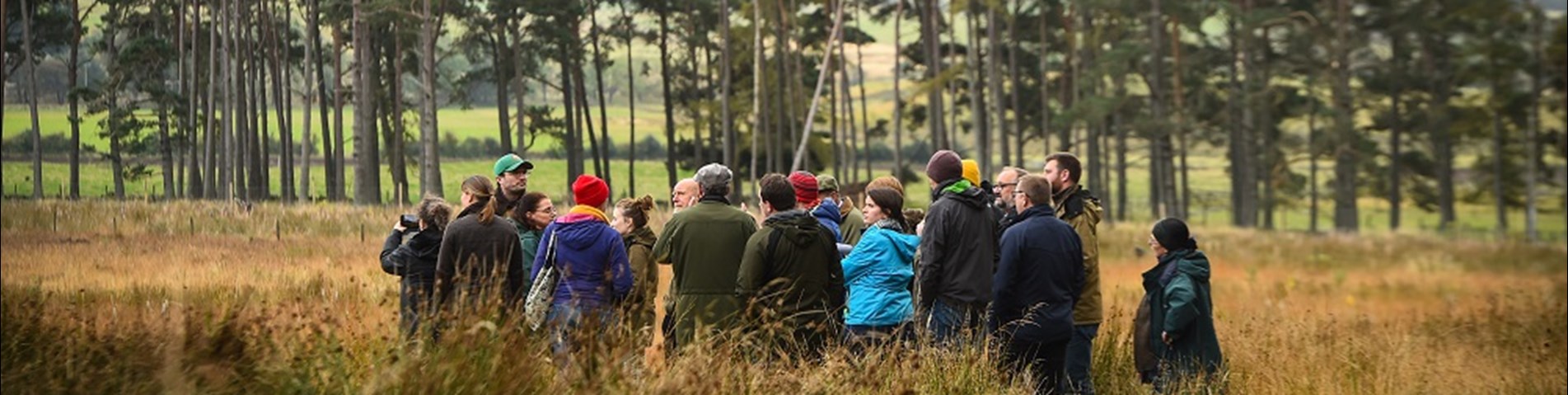
Support landowners to collaborate at landscape and catchment scale to restore nature and improve flood resilience.
The Scottish Government has committed to ambitious targets for nature restoration, net zero, and flood management, all of which will require action at a scale. Some of the best examples of delivery have been collaborative projects at landscape or river catchment scale, bringing in multiple different partners. This approach should be supported by government with facilitation for collaboration.
Ensure existing and upcoming natural capital opportunities are applicable for small and medium sized farms and crofts.
Nature markets for natural capital projects in Scotland remain at an early stage of development, and the costs and complexity to deliver validated projects act as a significant barrier for small and medium size farms. Soil Association led a FIRNS project that explored opportunities for addressing these barriers using whole farm planning and aggregation as key mechanisms to address scale and to pool capacity, as well as to consider natural capital opportunities alongside food production.
Integrate farming and forestry policy and regulation to encourage more trees and woodlands on farms and crofts, and more livestock in forestry systems.
Agroforestry and farm woodland systems can deliver multiple benefits for farmers and crofters while meeting Scottish Government policy objectives around climate mitigation and adaptation and nature restoration on farms. Support at present is provided through schemes including the Forestry Grant Scheme and the Agri Environment Climate Scheme. To ensure uptake of grants, future schemes must be flexible and accessible to all farmers and crofters, while unintended barriers within regulation must be addressed.
Target public funds towards regenerative forestry practices and active woodland management.
Forestry grants that support more forest management, such as the practice of thinning, produce a continuous supply of timber and the conditions for creating Continuous Cover Forests. These are forests that are not completely removed, all at one time, but are permanent and can produce higher local value timber, allow wildlife to thrive, provide landscape continuity and result in less disturbance to forest soils.
Invest in a national approach to deer management to encourage natural regeneration of woodland and invest in local venison processing.
Investing £15 million per year in a national approach to deer management, advocated by the Forest Policy Group, would have a transformative impact on the scope for woodland expansion while supporting a just transition for deer management livelihoods. Examples of local and community venison processing projects, including the Food for Life partnership project in Islay and Jura, demonstrate the wider impact and value of responsible deer management.
Set a new target for peatland restoration and increase the pace of action.
Since 1990, nearly 90,000 hectares of degraded peatland have been restored, but Scotland is currently not on target to meet its targets of restoring 250,000ha by 2030. We share the Scottish Environment LINK view that the next Scottish Government should take advice from the UK Climate Change Committee on an appropriate target for peatland restoration and commit to significantly increasing the pace of delivery.
Learn more about our policy work in Scotland
Our policy work aims to support Scotland’s transition to nature- and climate- friendly farming and normalise healthy and sustainable diets.