
Election over, what now?
Now the dust has settled on the Holyrood election, what can we expect from the new parliamentary term?
The SNP once again emerged as the largest party with 58 seats, down six from last term and seven short of the Nationalist majority that leader John Swinney had targeted. The success of the Scottish Greens, winning a record 15 seats including constituencies in Glasgow and Edinburgh, means there is still a pro-independence majority, however.
Elsewhere, Scottish Labour and Reform UK were tied for second place, with 17 seats, although Labour had a higher vote share in the constituencies. The Scottish Conservatives collapsed from second to fourth with a reduction of 19 seats down to 12, and the Scottish Liberal Democrats ended with 10, six more than in the last term.
John Swinney was returned to Bute House as First Minister and named a slimmed down Cabinet last week, with three fewer Cabinet Secretary posts than before the election.
What does it all mean?
It is largely a case of ‘as you were’, with the SNP governing as a minority administration as they have been doing since the collapse of the Bute House Agreement with the Scottish Greens in 2024.
That means that the SNP will need support from others to pass legislation and budgets, which offers opportunities for some of the opposition parties to win concessions. That could be the Lib Dems, who backed the last Budget, or the Greens, who have also been able to leverage support for their policies in exchange for votes in the past.
There will also be some details to work out in terms of who is the 'main opposition' between Reform and Labour, and with that the seating arrangements in the chamber, the order of questions at FMQs and convenorships of parliamentary committees.
For the Conservatives, it will be a case of trying to remain relevant with a significantly diminished presence in the chamber.
What are the policy priorities?
All the parties set out their manifestos prior to the election, but one thing that was largely absent from the campaign trail was an honest conversation about the fiscal challenges facing this parliament.
The Fraser of Allander Institute has said that the fallout from the Covid pandemic and high inflation with a cost-of-living crisis exacerbated by conflicts abroad leaves the Scottish Government with a 'tight fiscal settlement, with an underlying deficit, low productivity growth, a net zero transition to deliver and spending pressures that are only increasing as the population ages'. The Scottish Government’s own figures show a combined £4.7billion funding gap by 2029/30, so there will be some hard choices to be made around taxation and spending in the coming years.
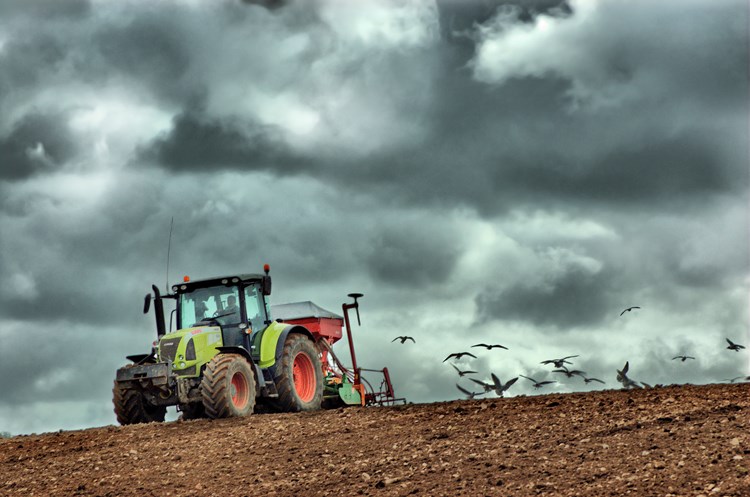
From a food, farming and land use policy perspective, the drive to net zero is one of the biggest issues facing the new parliament, but Ministers and MSPs will also have to think about the increasing challenge of adapting to an already changing climate, meeting ambitious 2030 targets for nature, delivering agricultural policy reform as well as circular economy ambitions, local food plans and assessing the impact of closer alignment with the EU on food safety, animal and plant health standards.
What policies might we see?
One of the most headline-grabbing pledges in the SNP manifesto was around capping the price of 'essential' food items like bread, milk and eggs. Mr Swinney appears set on introducing legislation on this issue, despite strong opposition from retailers and farming organisations.
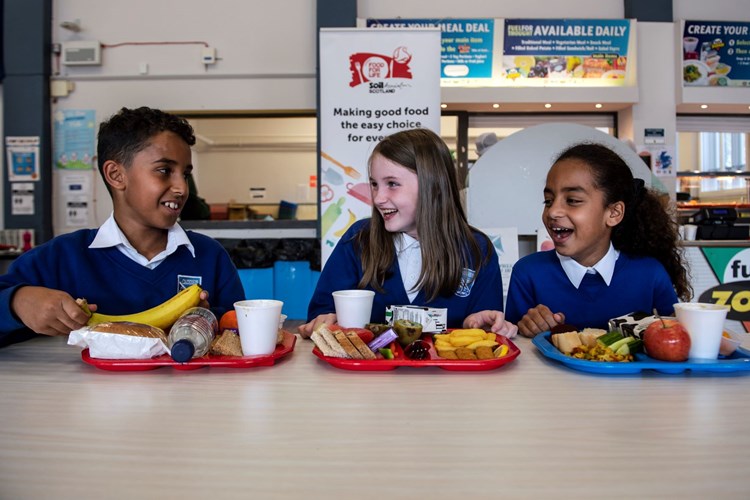
Beyond that, the SNP have pledged to set up a 'public sector food procurement taskforce' – which is an area that Soil Association Scotland are particularly engaged with through our Food for Life programme.
There are also plans for a 'Rural Renewal Bill' with a raft of measures including planning reform to make it easier for farms to diversify and the creation of new small landholdings to help prevent rural depopulation. This could be viewed as an important piece of legislation politically, given the election outcome which saw the SNP lose seats in rural areas such as the Highlands and Western Isles.
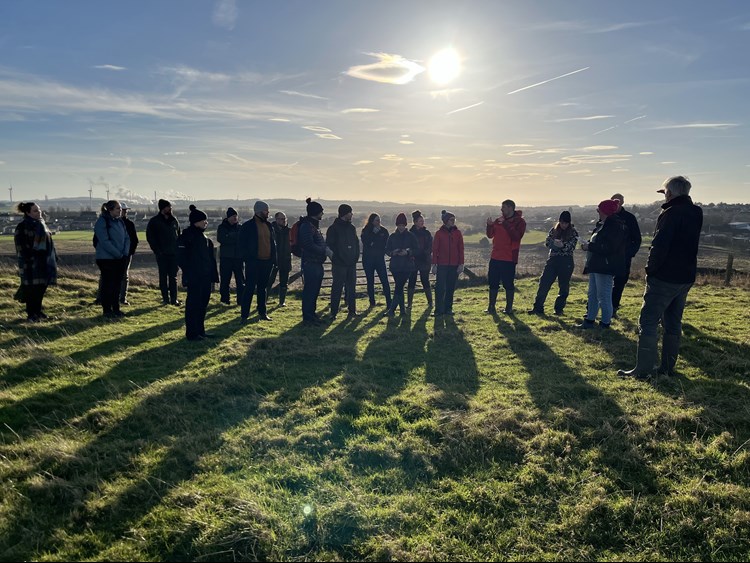
Another area that Soil Association Scotland is interested in is around the provision of farm advice to enable a transition to more sustainable farming. The manifesto said the SNP would deliver 'new approaches to farm advice' to build on whole farm plans and guide action on farms to meet climate, nature and food production goals.
Points of leverage for the opposition
It is interesting to look at the manifestos of opposition parties and consider what might be possible to deliver through negotiations with the SNP government on support for passing budgets.
The Lib Dems touched on multi-year funding for farmers, support for small abattoirs and expanding the Farm Advisory Service, while the Scottish Greens pledged a market garden support scheme, the creation of regional food hubs and improved animal welfare. Scottish Labour, meanwhile, committed to capping the biggest farm payments and redistributing funds to smaller farms and crofts.
That is not to say that these parties would necessarily choose to prioritise food and farming in any budget negotiations. They may not, but the above starts to show what might be possible, and there is some precedence for this. Backing for an Organic Action Plan, for example, was a result of discussions between the SNP and the Greens on the Bute House Agreement in the last parliament.
Over the coming weeks, we will begin to develop a picture of what the new SNP government views as its short term priorities, and then after the summer recess, we will see exactly what the next year’s legislative programme will look like when the First Minister sets out the Programme for Government.