
Our climate is in crisis
How we farm and eat plays a major role in the climate crisis and in the solutions. Food and farming are responsible for a significant share of greenhouse gas emissions, but nature-friendly farming can cut emissions, protect nature and help build a resilient food system for the future.
We can change our climate for the better by adapting the way we farm and eat
It is estimated that as much as one third of global greenhouse gas emissions comes from food and farming, largely through intensive livestock production and the use of synthetic nitrogen fertilisers. By transforming how these industries work, we can take huge steps towards slowing down climate change.
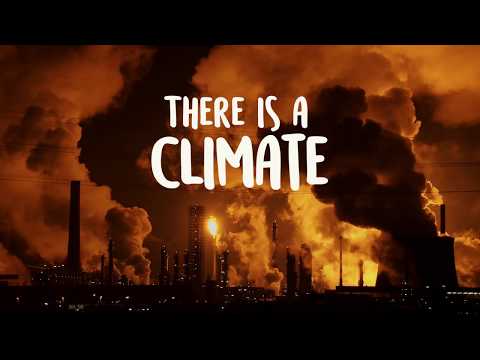
How nature-friendly farming helps tackle climate change
Research shows that if all of Europe’s farmland followed organic principles, agricultural emissions across the continent could drop by 40 to 50% by 2050, while also feeding a growing population. However, this system-wide shift needs to happen in the next 10 years to have the most impact. If we carry on as we are, climate change could reduce the UK’s top-grade farmland by 75% and cause extreme weather patterns that would affect food production.
We must act quickly to protect the planet’s future.
Why reducing synthetic nitrogen matters
Synthetic nitrogen fertilisers are widely used in farming, but they have contributed to an increase in reactive nitrogen on our planet and nitrous oxide in our atmosphere, a long-lived and potent greenhouse gas.
In Europe, more than half of all human-derived reactive nitrogen comes from synthetic fertilisers. Recent research suggests the climate impact of nitrous oxide emissions may be double what was previously assumed.
Organic farming doesn't use synthetic nitrogen fertilisers, helping to cut these emissions at source while protecting soils and ecosystems.
What Soil Association is doing to protect the climate
We’re on a mission to reduce the UK’s food and farming emissions. Some of the things we’ve done so far include:
joining The Climate Coalition: the UK’s largest group of people dedicated to action against climate change
taking part in The Time Is Now: the first-ever virtual mass lobby for climate, nature and health
launching our Grow Back Better report: a new route-map to reinvigorate UK food, farming and land-use
supporting nature-friendly farming practices: helping farmers incorporate agroecological practices through the Innovative Farmers programme

What we can all do to protect the climate
Eat less but better meat
We’re advocating to eat less, but better, meat, to stop the need for intensive systems and to slow down the effects of climate change.
Currently, meat consumption accounts for nearly a fifth of all greenhouse gas emissions. Intensive livestock production is a major reason why. It:
contributes to the nitrous oxide and methane in our atmosphere
drives deforestation, releasing vast amounts of CO2
Eating meat doesn’t have to hurt the planet. In fact, grass-fed livestock, like organic, can have benefits for the climate and nature.
Support organic
Organic farmers follow legal standards that minimise their use of artificial chemicals and protect soils. This makes supporting organic farmers crucial in the fight against climate change.
In contrast to conventional farms, organic farms:
take measures to maintain healthy soils, which, as a result, store 44% more carbon
support 50% more wildlife
prohibit the use of synthetic nitrogen fertilisers
Interest in organic is at its highest level for more than a decade. We need to keep the momentum going by championing organic wherever possible.

Become a member
Together we can make a world of difference. We are on the land working with farmers, on the streets campaigning with communities, in schools and hospitals improving food, and in Parliament lobbying for healthier food and farming.
What farmers and growers can do to protect the environment
Nature-friendly farming or agroecology refers to farming based on ecological concepts and principles. Organic systems are the gold standard of agroecology.
Changing how we farm is vital for the future of our climate and food security. Agroecology can help achieve this. A recent report from the think tank IDDRI shows that a wholesale transition to agroecology would:
reduce greenhouse gas emissions from agriculture by 40%
feed Europe healthily and sustainably
help restore biodiversity
We work to restore the connections between people, nature and a healthy climate - bringing together farmers, communities and businesses to reverse environmental damage and build a future where nature and people can thrive together. Find out how we are tackling the nature and climate crisis