
80 Voices: Rob Atkin on building a farm that can weather the storm
At his family farm near Uttoxeter, Staffordshire, Rob Atkin is farming very differently from how his grandfather did.
Over the last two decades, the farm has moved away from conventional plough-based cultivation, embraced cover crops and diverse rotations, and invested heavily in soil health.
As weather becomes increasingly unpredictable, Rob believes resilience has become one of the most important things a farmer can grow.
Here's Rob, largely in his own words.
"Everything works together"
We're predominantly an arable farm, but we also run a 300-head beef enterprise, and the two complement each other really well.
We grow feed for the cattle, and all of the beef is reared on home-grown produce. In return, the farmyard manure goes back onto the land and helps support the arable side of the business.
It's a farming system where everything works together.
I came home from college in 2004, so I've been farming here for just over twenty years. I'm the third generation on the farm and, for a while, I had the privilege of farming alongside both my dad and my grandad.
That probably shapes the way I think about the farm today.
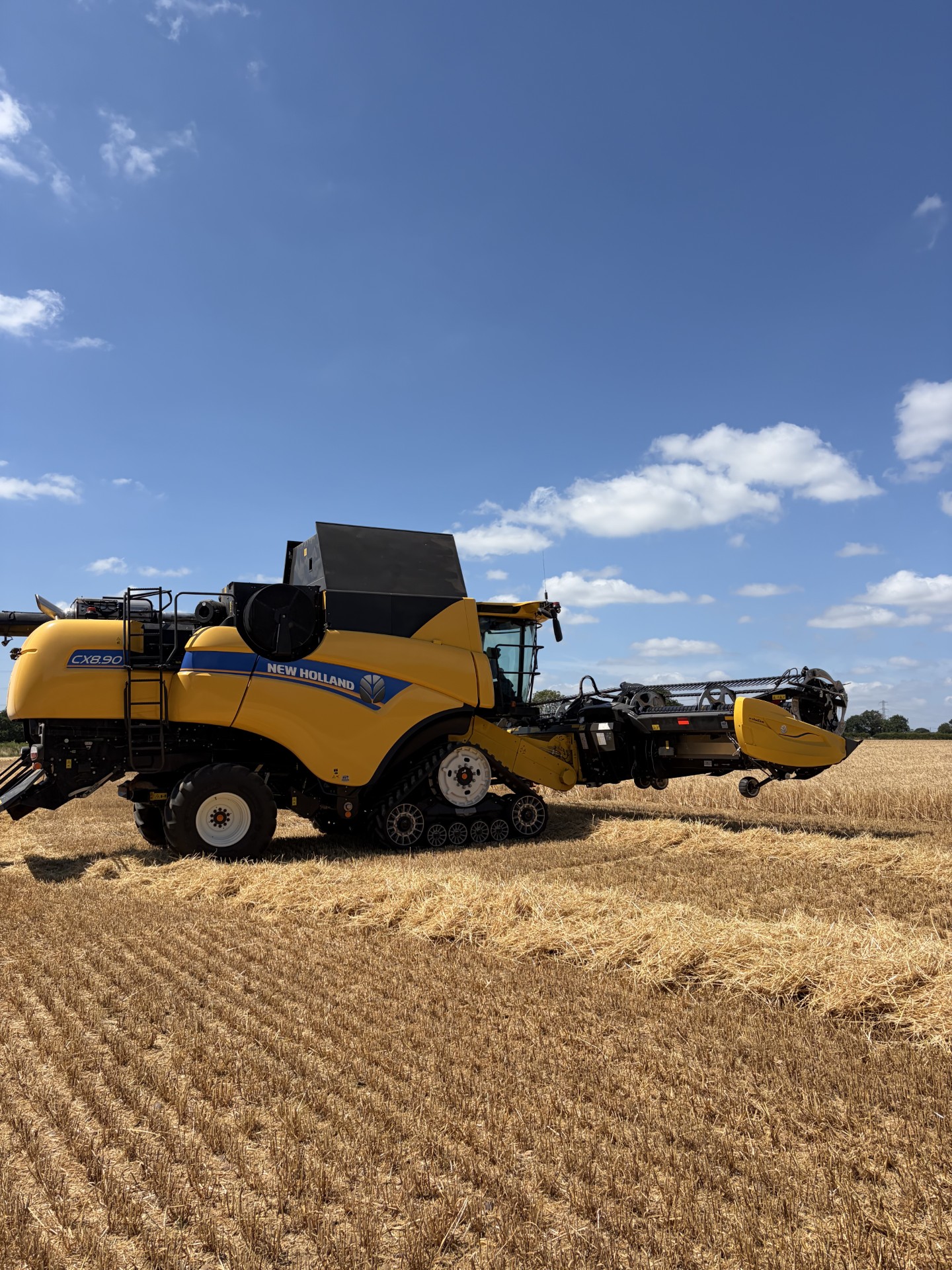
Farming has changed dramatically
When I came back to the farm, we were using a fairly conventional plough-based cultivation system.
Over time, we've moved through minimum tillage into much shallower cultivation approaches, and around a quarter of the farm is now direct drilled. We've introduced cover crops, legume mixes, beans into the rotation and alternative crops such as maize. Twenty years ago, our rotation was largely wheat, wheat and oilseed rape.
Now it looks very different.
The focus used to be almost entirely on maximising yield. Today we're thinking much more about soil health, organic matter, biodiversity and resilience.
The weather is changing
One of the biggest reasons for that shift is the weather.
I remember being at school in the late 1990s and early 2000s when harvest often didn't begin until August or even September. Now we're regularly harvesting in June and July. You can't ignore changes like that.
As weather patterns become less predictable, we've had to adapt.
Historically, we grew more spring crops. Increasingly, we're moving towards winter crops and experimenting with crops such as maize, hemp and flax. Each crop responds differently to weather conditions. Each creates different opportunities and different risks.
The more diversity you have in the system, the more flexibility you have when conditions become difficult. Increasingly, farming is about managing uncertainty.
Building resilience from the ground up
For me, resilience starts with the soil. I think we've pushed our soils extremely hard over the last thirty or forty years. At some point, if you don't look after them, they stop performing as well. Yields plateau. Costs rise. Resilience declines.
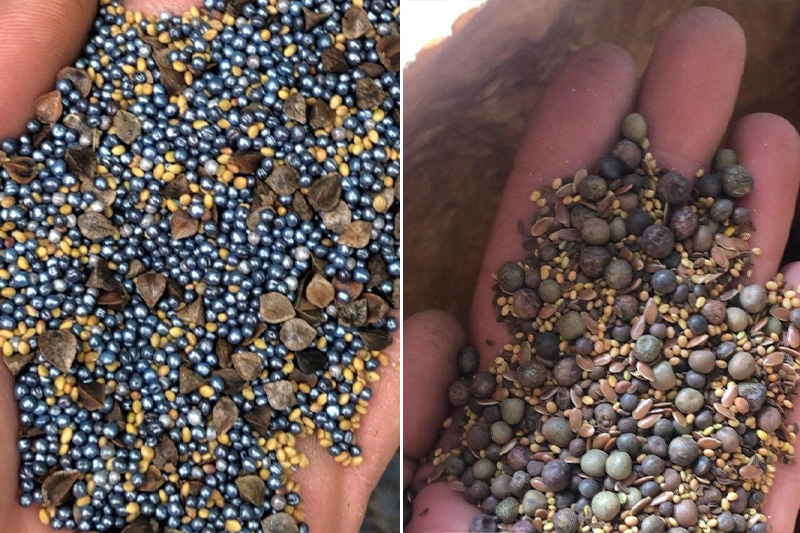
That's why we've focused so heavily on cover crops and maintaining organic matter through farmyard manure. It's not just about feeding crops. It's about feeding the soil and keeping nutrients cycling naturally.
Margins in farming are tighter than they've ever been. The idea that you can solve every problem by buying more fertiliser doesn't feel sustainable anymore. If biological processes can improve soil structure, fertility and biodiversity naturally, then that just makes good farming sense.
A long-term investment
One thing I've learned is that resilience isn't built overnight. We started minimum tillage around 2003 and began experimenting with cover crops over a decade later. Like most new ideas, some things worked and some didn't.
That's farming.
But over time we've learned what suits our soils and what fits our business. The results have been positive. We're improving soil health, reducing costs in some areas and creating a system that is better equipped to cope with changing weather patterns. Standing still isn't really an option anymore.
Making space for nature
Resilience isn't just about soil. It's about the wider landscape too. We've taken less productive field corners out of intensive production and created areas where wildlife can return. That carries a cost as you're taking land out of production. But I believe it's possible to make farming and nature work together. We're not here solely to produce crops.
Of course the farm has to be profitable, but profitability and nature shouldn't be in conflict.
Flower-rich margins, legume mixes and wildlife habitats don't just benefit biodiversity. In many cases they strengthen the overall farming system as well.
Learning from others
If there's one piece of advice I'd give a young farmer, it's this: Don't go home and never leave again. Some of the most valuable lessons I've learned have come from visiting other farms, attending workshops and speaking to farmers doing things differently.
Even when a topic doesn't seem immediately relevant, you'll nearly always take something useful away from it. And don't be afraid to try new things. If something works, brilliant. If it doesn't, you've learned something. The most successful farmers I know have all had failures along the way.
"I'm a glass-half-full person"
When people talk about climate change and nature loss, it can sometimes feel overwhelmingly negative. But I'm naturally optimistic. The last few years have certainly been challenging, but one thing farmers are very good at is adapting.
We always look for solutions.
We always look for ways forward.
It may not happen immediately and it may not be easy, but farming has always been about responding to change. For me, hope comes from resilience. Diversifying. Keeping your options open. Not putting all your eggs in one basket.
That's how we've managed difficult times in the past, and I believe it's how farming will navigate the future too.
Thinking beyond the next harvest
Ultimately, the changes we're making aren't really about next year's crop. They're about the next generation. My grandad handed the farm to my dad, my dad handed it to me and I'd like to think I'll be able to do the same.
Building resilience isn't just about surviving the next drought, flood or difficult season. It's about making sure the farm is in good condition for whoever comes after us. And that's a responsibility worth investing in.
Rob Atkin is a third-generation farmer from Staffordshire, running an integrated arable and beef enterprise. Through cover crops, reduced cultivation, diverse rotations and habitat creation, he is working to build a more resilient farming system capable of adapting to a changing climate.