Welcoming a renewed focus on local food
Public sector food procurement is firmly on the political agenda in the early days of this new parliamentary term.
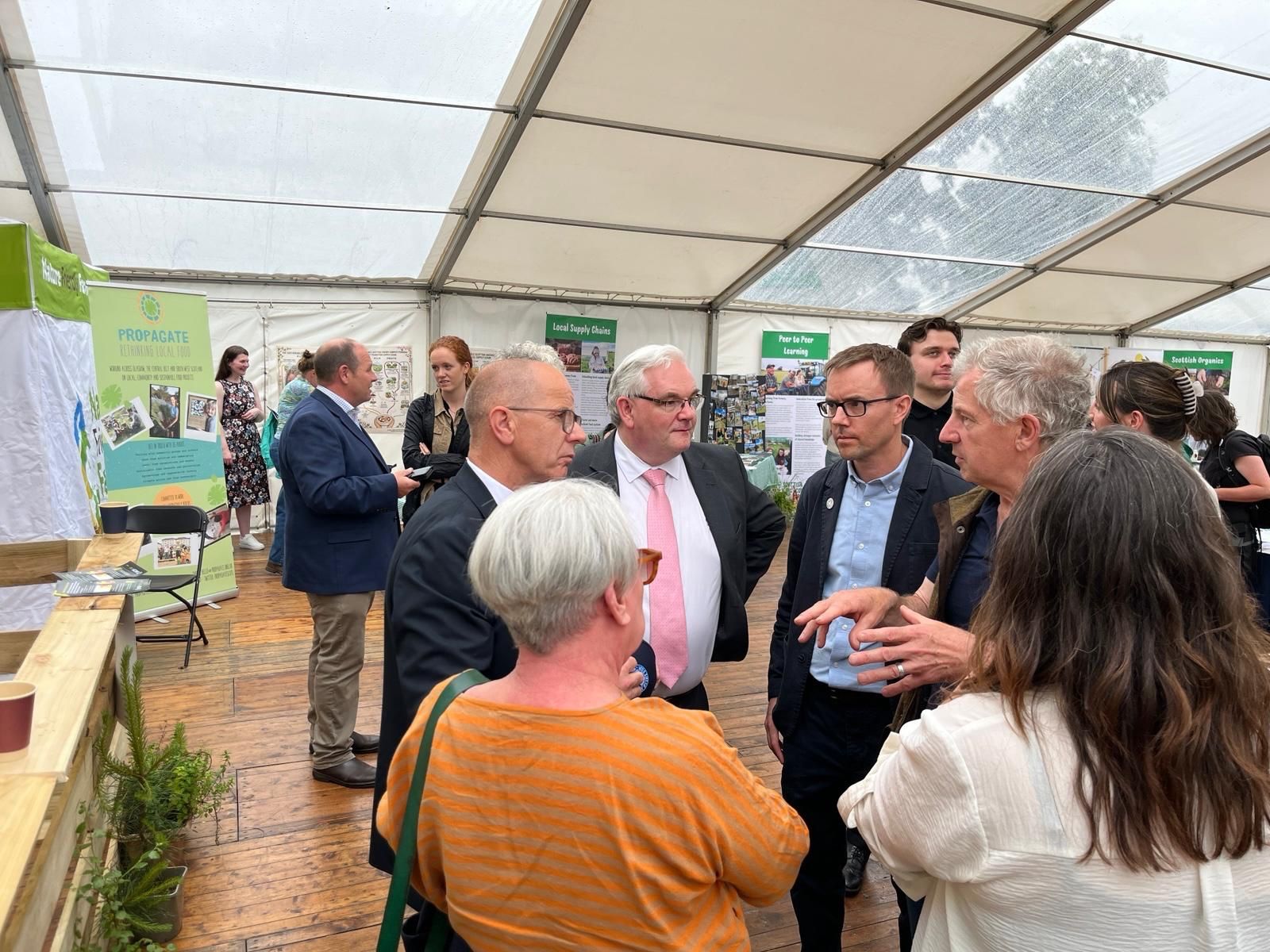
First Minister John Swinney announced the formation of a new expert group to tackle the issue at the Royal Highland Show in June.
The Public Sector Food Procurement taskforce met for the first time in August, and is co-chaired by NFU Scotland and ASSIST FM.
Minister for Agriculture, Marine and Islands Jim Fairlie MSP said the group has been asked to “help identify and address any barriers that are currently preventing the public sector from sourcing more locally produced food, supporting greater use of Scottish produce in settings like schools and hospitals”.
Our role in public sector food
Soil Association Scotland has been active in this area for almost 20 years.
Our Food for Life Scotland programme, funded by the Scottish Government, has been working to put good food on public sector plates since 2009.
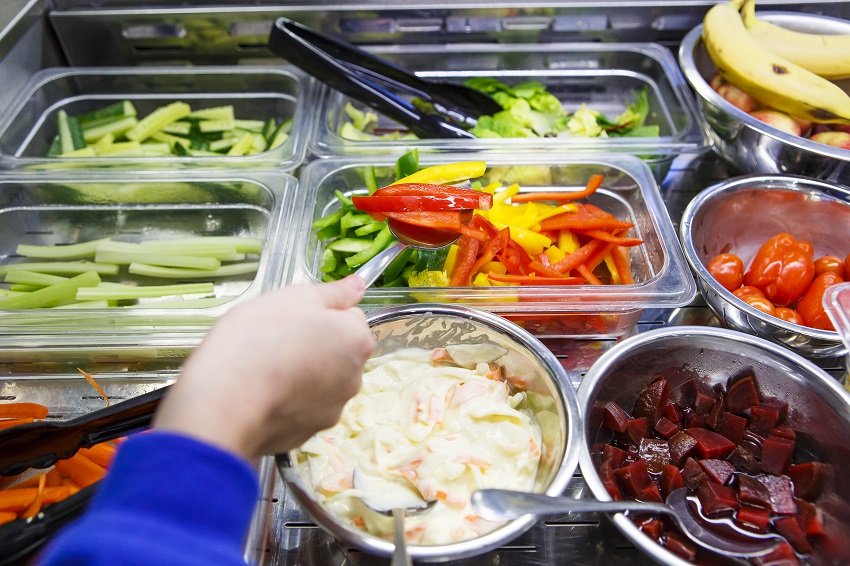
It provides a framework through which local authorities and public sector sites can ensure they are serving fresh, local and sustainable food.
This is done by meeting a set of criteria to achieve the Food for Life Served Here certification at bronze, silver or gold level.
Our most recent impact report details the difference we are making, with 26 FFLSH certification holders and 1,580 certified sites in Scotland and 116,200 FFLSH school meals served daily.
The team work from farm to fork, linking local producers with procurement opportunities, helping caterers with menu planning, delivering training on the FFLSH criteria and seasonality, and providing specialist data evaluation and communications support to drive change at scale.
How Food for Life Scotland promotes local
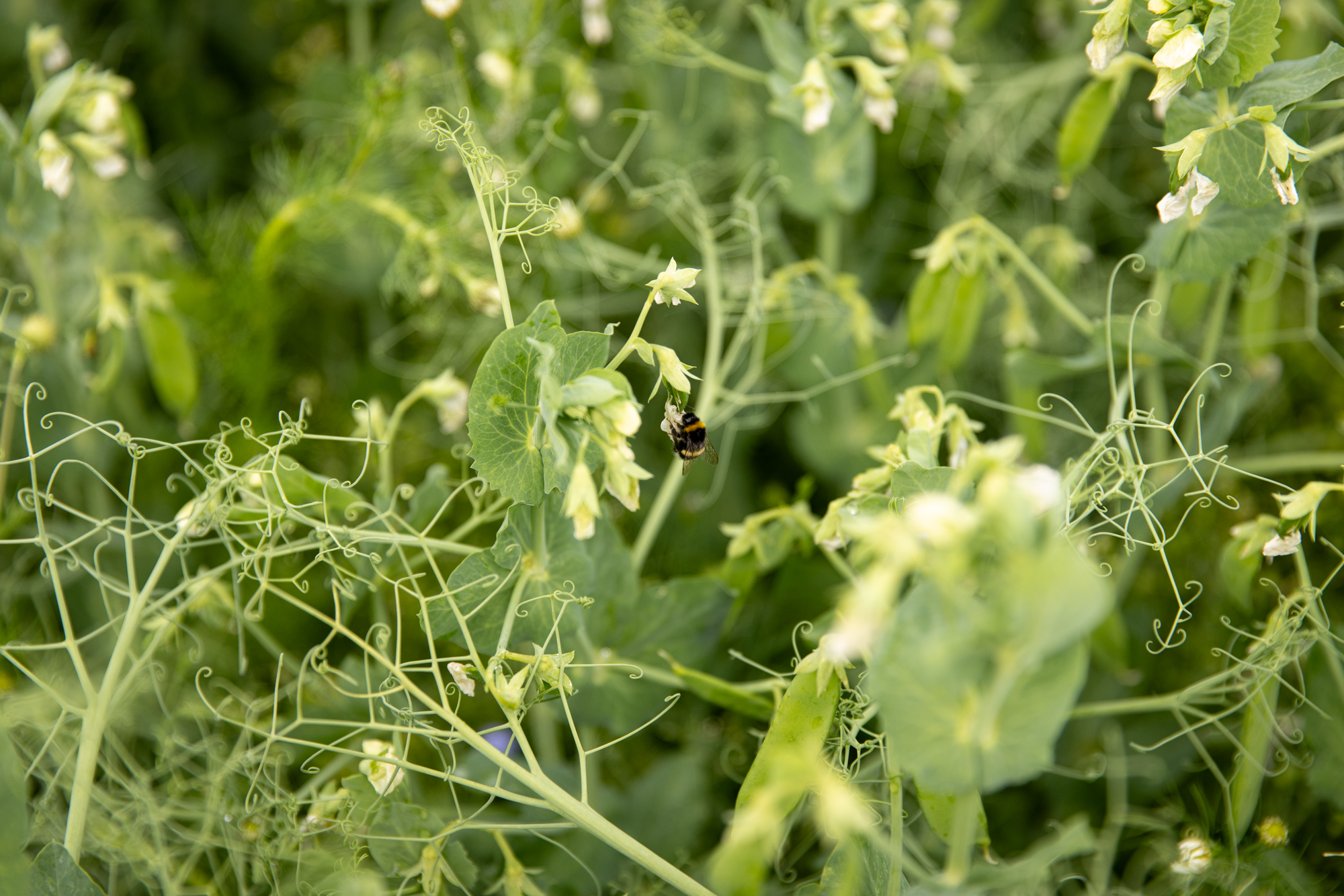
Promoting local food is embedded in the Food for Life Scotland programme, with the FFLSH criteria supporting caterers to put the principles into action. The Food for Life Scotland team is passionate about advocating for local food, prompting people to find out where their food comes from, and innovating with products – like venison and dried split peas – to get them onto public sector plates.
The team’s support offer to local authority and public sector caterers means there’s practical support in place to help those caterers serve more local food:
FACILITATION: from the ground up, farmers, processors, wholesalers and caterers have a dedicated Supply Chain Development Manager, who acts as a connector to support getting more Scottish food onto public sector menus.
TRAINING: bespoke training modules delivered by the FFLS team help caterers understand what local, seasonal food is available to them. Provenance maps tailored to the caterer help identify seasonal food available through local wholesalers and highlight Scottish produce already on the menu.
BEST PRACTICE: FFLS case studies highlight best practice case studies, such as the use of wild venison in a successful pilot on Islay and Jura, with more and more local authorities serving it in their school meals services.
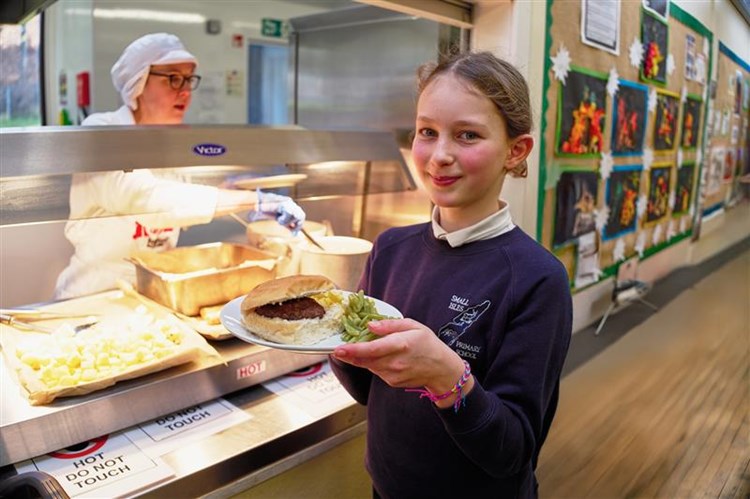
The Food for Life Served Here criteria is designed with local food in mind and the Food for Life Scotland team support caterers to incorporate this into their menus:
CRITERIA: caterers consider food provenance as part of the FFLSH criteria. This includes thinking about how they communicate with their diners about where the food they serve comes from, and looking at opportunities to make stronger links with local suppliers. The FFLS Menu and Catering Skills team support this work through caterer training, and menu and recipe development support.
RECOGNITION: at FFLSH Silver and Gold, caterers are awarded points based on local spend.
Linking to wider SG policy
We were very pleased to see participation among local authorities with the Food for Life Served Here certification as one of the indicators of progress in the National Good Food Nation Plan. The plan also highlighted our public sector expansion , reaching other parts of the public sector such as care homes, leisure centres, and further and higher education settings. As part of this, caterer Baxter Storey has gained FFLSH Silver for their catering locations in Scottish Government buildings, and the Scottish Courts and Tribunals Service.
Food for Life Scotland also helps meet government goals around Community Wealth Building by encouraging more spending within local authority areas, while we are actively engaged on the Scottish Organic Action Plan, linking organic producers into opportunities for public sector procurement and food service.
Future of the programme
While we celebrate the progress we have made through the Food for Life Scotland programme, we never stand still.
We are constantly looking at how we can improve and respond to an ever-changing environment.
For example, we now require caterers to have food waste reduction strategies in place, in line with Scottish Government policy.
And we recently updated our criteria to ensure at least 75% of dishes are cooked from scratch, reducing Ultra-Processed Foods (UPFs) on menus.
Increasing the amount of Scottish grown produce in the public sector requires point of origin data to track spend on ingredients. We continue to push for this to happen alongside other measures to increase opportunities for procurement of more local food.
We look forward to continuing to engage with all stakeholders across the Scottish food system as the FFLS programme continues to evolve in future.
David McKay