Ben’s top tree tips from ten years of trying
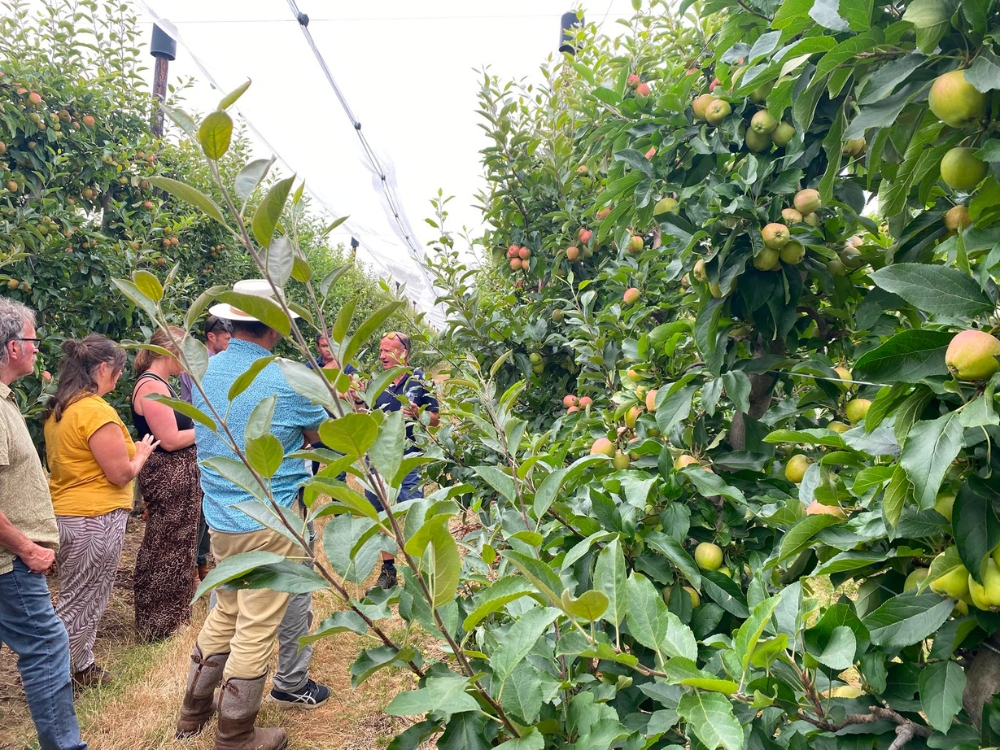
We are just weeks away from the ten-year anniversary of planting the first trees at Eastbrook Farm. Reflecting on this decade of agroforestry work with Helen Browning I thought it might be helpful to share some of our experiences and how my approach to tree management and planting for climate resilience and farm productivity has developed, and it has developed.
While I am still driven by the urgency of our climate and biodiversity crises, you can’t rush the development of natural systems. We have slowed our planting activity a little over the last ten years, not because our ambition has shrunk or our energy is dissipating but because we want to get it right for the long term.
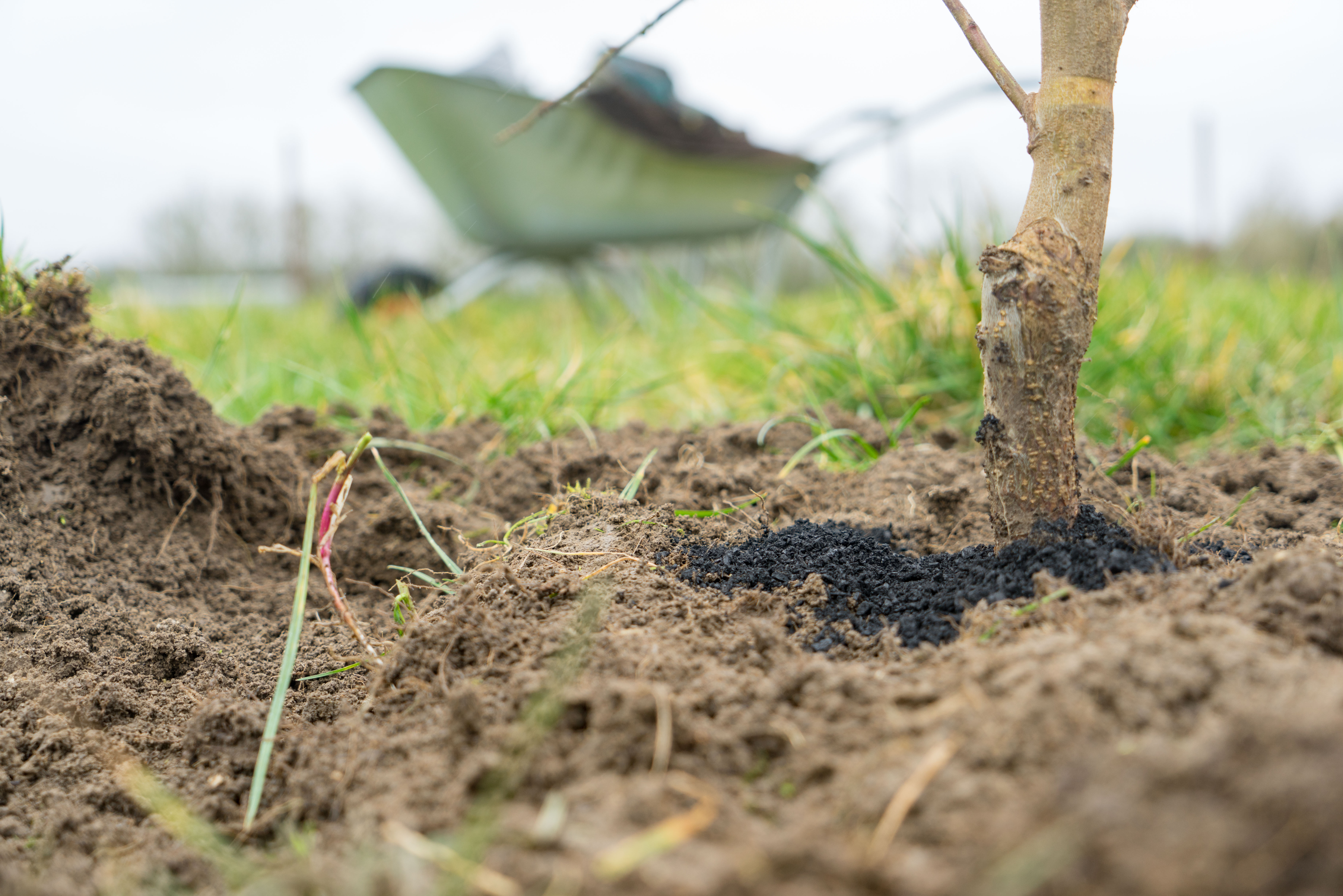
Here is my approach to working with trees on farms
I want to be BOLD in species and design choice, we won’t solve these massive challenges by tinkering at the edges, and as our native species are increasingly beset with novel pests and diseases as well as the changing climate we should, with care, be looking at potential alternatives, both in what and how we plant.
I need to be QUICK. I can’t wait for exactly the right grant or all the information. That doesn’t mean I don’t do any research or take advantage of money if it’s available. It means planting something now, even if it is just a few trees in a corner of field.
I am increasingly understanding that I should also be SLOW, by which I mean that I don't need to plant it all now. We have checked our pace at Eastbrook to take the time to see what works and build on it. Some trees that I thought were growing brilliantly have died (such as some of our Almonds at the wetter end of the field), while others that struggled initially like some of our Quince varieties are finally starting to look healthy with the warmer summers.
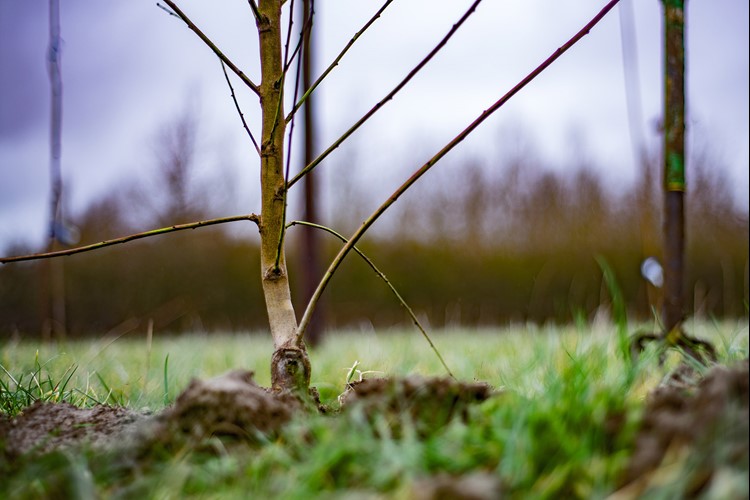
Here are seven practical tips to successful tree planting and establishment
Plant early – ideally by the end of Jan in the South of England or February in more Northern climes. Tree roots continue to grow over the winter, especially with the warmer winters we are having. Early planting allows them to get properly established before spring. In dry years this can be the difference between a dead or living tree.
Plant diverse – even if eventually you want to end up with one species. Trees like to grow with friends and family. Including pioneer and nitrogen fixing species within the mix will give you quicker establishment and early growth
Plant close and then thin rather than wide spacing and wait for it all to fill in. Learning from the Miyawaki concept of very dense planting, seedling trees are relatively cheap and the increased success of closer planted systems is worth the investment. You do need to remember to thin though!
Mulch deep – we aim for 25cm deep woodchip. This controls weeds and keeps moisture in the soil, particularly useful in the increasingly common hot dry springs. For more info check out our “How To” guide on mulching with woodchip.
Fence as well as you can afford to; it really does make a difference. Livestock, deer, hares, rabbits, voles and squirrels all pose a risk. Trees that can grow quickly without being eaten will deliver your objectives better and sooner.
Use a bigger stake than you originally planned. Like many farmers I am careful with my money and baulked at the cost of big stakes. However, on larger high value trues it really is worth a proper investment at the start. We have now re-staked some trees three times at significant extra cost, because we kept trying to get away with a cheaper stake.
Don't forget after care – it is tempting to think that once you have planted, staked and guarded your tree that’s the job done. It’s not. Regular checking, especially after high winds or if livestock break through fencing, is vital. Re-staking, re-guarding, re-tying and pruning are all critical if you want your tree to do well.
There's more of course but those feel like the crucial ones. We’ve had surprising successes, like our Sea Buckthorn which we love so much and are now running an ADOPT project on. We have also had frustrating failures, such as our willow/poplar/mulberry browsing block that stubbornly refuses to grow properly. Our next project is a timber design, with a focus on growing our own fence posts, I’ll let you know how we got on, in another ten years.