Organic land in Scotland continues to rise
The Scottish Government this week published statistics for 2025 which showed it is on track to meet its target of doubling organic farmland.
At the beginning of the last parliamentary term, in 2021, SNP Ministers committed to the target, from a starting point of 1.8% of Scotland’s total agricultural area.
The figures show the total organic land area has risen to 168,200 hectares, a 28% increase compared to 2024, and a 62% increase from 2021.
That means that in 2025, the Scottish Government was just 0.3% short of its doubling goal, with a 3.3% land share.
In 2025, there were 52,400 hectares in-conversion, around double the 2024 area (26,500 hectares), and over three times the 2021 area (14,200 hectares), a clear direction of travel which should exceed the 3.6% target when 2026 data is published.
So, what does this mean?
At a time when agricultural policy is focused on climate mitigation and adaptation, nature restoration, improved animal welfare and high-quality food production, organic ticks lots of boxes for the government.
Supporting organic can improve the resilience of Scottish agriculture by lowering input costs and reducing exposure to volatile markets for artificial fertilisers.
A 2023 evidence review in Scotland confirmed that organic farming practices offer benefits to biodiversity, greenhouse gas emissions, and soil carbon using fertility building leys, cover crops, bulky manures and crop residue management. The study also found that organic farming systems tend to be more capable of dealing with the weather conditions projected for 2045.
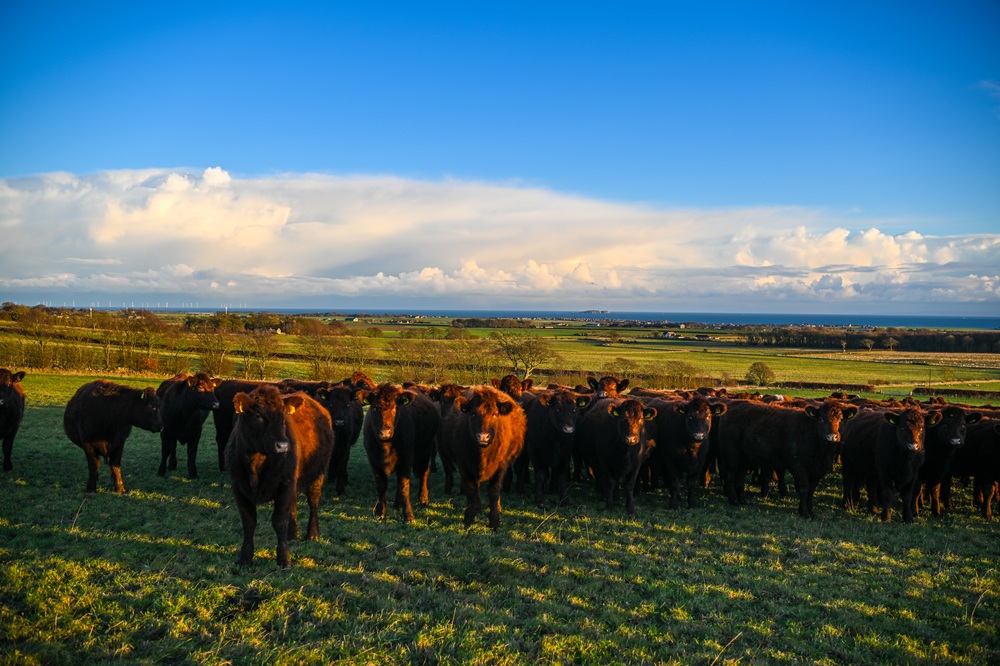
Any increase in organic production can help to meet growing consumer demand, with the Scottish market now worth £155 million and outperforming non-organic, up 10% in value and 2.9% in volume according to the first Scottish Organic Market Report published earlier this year.
However, it is also important to recognise that 3.3% - even with the significant increase over the past five years – remains a small fraction of overall agricultural use in Scotland. It also lags the EU average of 11%, which is one of the reasons why Scottish Environment LINK is urging the Scottish Government to commit to a new target in this parliamentary term.
A closer look at the data
There are some interesting points in the Scottish Government data, which show where the growth is happening, and what type of production is being incentivised.
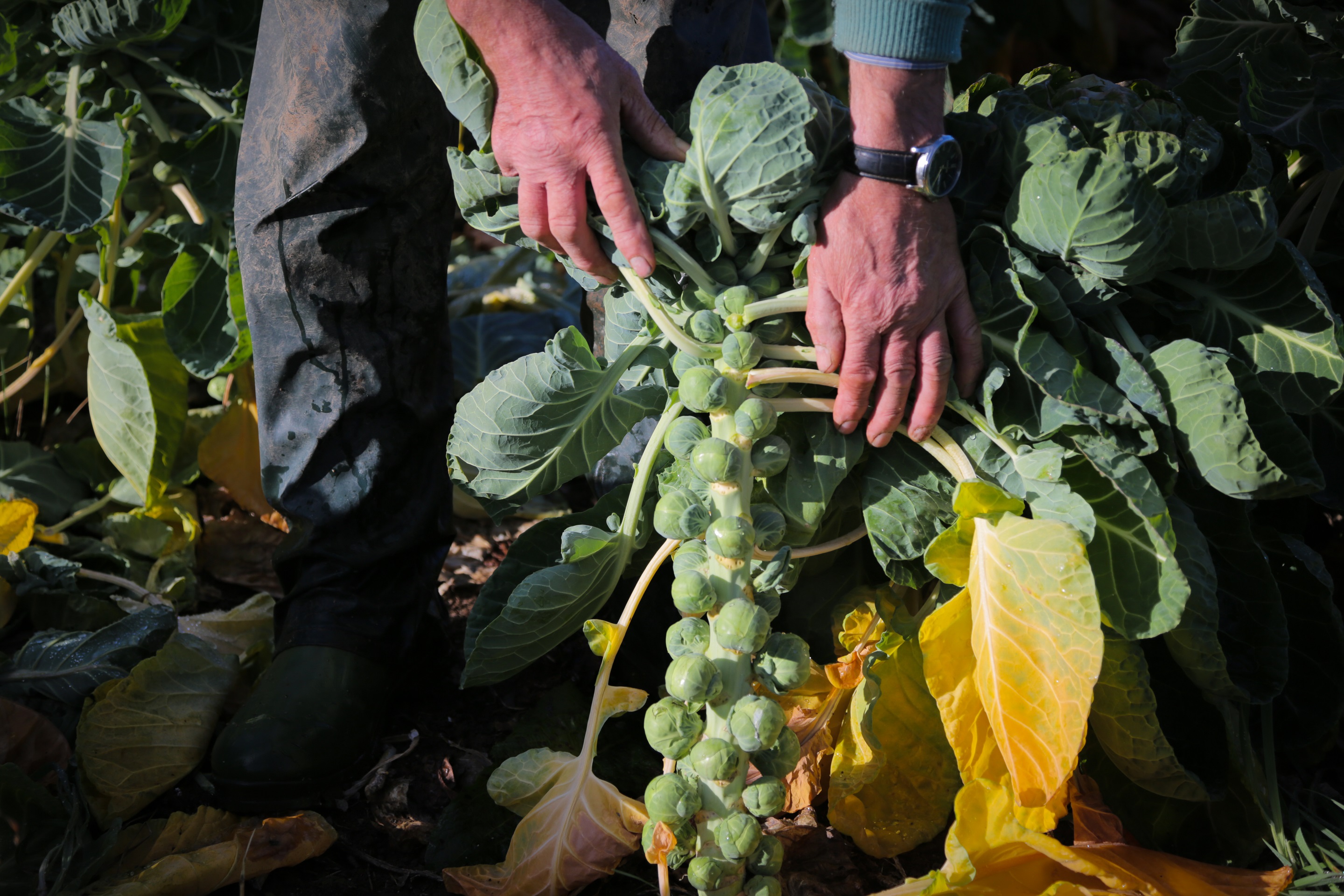
For example, the area of fully certified land growing vegetables is up 43%, which is encouraging at a time when the overall Scottish acreage remains low and supplies of imported vegetables from England and the EU are increasingly impacted by climate change.
On a regional breakdown, organic land is surging at both ends of the country. In the Highlands and Islands, land in conversion has more than tripled with a 294% increase, going from 8,296ha in 2024 to 32,721ha in 2035.
And Southern Scotland is another stand-out area with a 452% increase, jumping from 1,761ha in 2024 to 9,720ha in 2025.
Grassland still dominates, with permanent pasture (including rough grazing) still accounting for the biggest share of fully organic land (83%) at 96,100 hectares, continuing a historical trend across the UK.
This increase in grass-based production – mostly for beef and lamb – with land growth largely concentrated in the Highlands and Islands, presents a challenge and highlights the lack of organic processing capacity in the region.
Organic farmers in northern parts of the country are very often selling cattle or sheep into the store market, foregoing a potential organic premium, due to the long distances from certified abattoirs in central and southern Scotland.
This reflects a similar challenge in Ireland, which has also experienced a surge in organic in recent years, doubling the land area and number of operators in five years. Figures from Bord Bia showed that 70% of organically reared lamb was sold as conventional in 2023, prompting the launch of the Organic Beef and Lamb Innovation Group, a partnership project to improve supply chain co-ordination, encouraging producer collaboration, addressing distribution challenges and improving links between producers, marts, processors and retailers.
The Scottish Organic Action Plan
The Scottish Government has recognised that its ongoing policy support for organic conversion through the Agri Environment and Climate Scheme (AECS) must be accompanied by a wider strategy to open new market opportunities and strengthen supply chains for organic produce.
This led to the launch of the Scottish Organic Action Plan 2026–29, a partnership between Scottish Government, Scotland Food and Drink, SAOS and the wider organic sector including Soil Association Scotland and Soil Association Certification.
The plan is based on five key pillars – developing research, training and advisory services, raising awareness of organic, developing supply chains and markets, facilitating conversion and maintenance and promoting public procurement of organic.
That work recognises the complexities and challenges of organic supply chains that require a cross-sector partnership approach to solve. With growing consumer demand, 20% market growth in five years, and seven consecutive years of increases in the land area, there is a solid foundation to drive the next stage of growth.
David McKay