How you can help to protect forests
Forests are vital for climate, wildlife and our food system. From the food you buy to the policies you support, there are practical ways you can help protect forests at home and around the world.
Our forests are incredible, but now, more than ever, they need our help.
From the wood products we buy, to the farmers we choose to support, our positive actions can all add up to make a real difference for forests around the world.
This helps to ensure that forests are managed in sustainable ways and that more of the right trees are being planted in the right places.
Read on to learn how you can support our work protecting forests, and those around the world who are doing the same.
Support organic
Moving away from intensively reared pork, poultry and beef and switching to organic is a great way to reduce the impact of your diet on our forests.
Non-organic animals are often fed on imported non-organic soy - one of the primary drivers of deforestation abroad. Organic livestock feed varies from animal to animal, however, British organic cows and sheep are almost entirely pasture-fed (fed on grass from the farm where they are raised).
There are plenty of ways to go organic to protect forests including:
buying a weekly veg box
looking for the organic symbol in your supermarket shop
writing to your MP, urging greater support for organic farming
The diets of organic pigs and poultry must contain roughage, fresh or dried fodder, or silage as part of their daily ration, and at least 20% of their diet must be sourced from the farm itself. Because of this, organic breeds tend to be those which thrive on grass-based diets, lowering demand for imported feed (and its associated environmental risks) in the organic sector.
What about soy that I want to eat or drink myself?
The soy production in Latin America, which has been linked to deforestation, largely ends up in non-organic animal feed and is typically genetically modified (GM).
GM soy is prohibited under organic standards.
The majority of organic soy is produced in China, India and the USA. These are areas where soy production has not been linked to deforestation on the scale that is occurring in Latin America. At Soil Association, we continue to monitor this.
Reduce ultra-processed foods
Half of all recent tropical deforestation is the result of illegal clearing for commercial agriculture, and around half of this illegal destruction is for commodities that are exported to places like the UK, including:
palm oil
beef
soy
wood
A lot of the food produced from these commodities is fuelling the high consumption of ultra-processed foods, in turn increasing the rates of cardiovascular disease and obesity.
The loss of natural forests globally for food production is an irreversible disaster for our climate, biodiversity and forest communities. The products grown following forest clearance are contributing to ill health. A transition away from ultra-processed foods is one of the most important changes we can make to address these issues.
What about organic or sustainable palm oil?
Palm oil is a highly productive and versatile ingredient that can be produced sustainably whilst supporting smallholder livelihoods in tropical countries.
There are many examples of pioneering organic companies that are showcasing best practice in sustainable palm oil production and working to change the wider industry.
The problem is not with the palm oil trees themselves, but with our over-reliance on cheap vegetable oils.
At Soil Association, we support a less and better approach to palm oil. We know it is being overused in unnecessary and sometimes harmful ways, for example, in ultra-processed foods. We need to improve its sustainability, whilst also reducing our dependency on it.
Through our Deforestation and Palm Oil Task and Finish Group, we are working with independent experts to advise our approach to palm oil in Soil Association standards.
Visit certified woodlands
Another way to protect forests is to visit and enjoy them. There are forests all over Great Britain that are certified by Soil Association’s forestry team.
Enjoying and supporting one of these forests means casting a vote for sustainable forests in your local area.
Learn more about our sustainable forestry work with Forestry England, Forestry Land Scotland and Natural Resources Wales.
Tree planting
Ask your local authority if they have any current projects. Organisations like the Woodland Trust often offer the chance to help with tree planting and give advice on how to plant your own, too.
Look for the logos
From garden furniture to greeting cards and even toilet paper, looking for the FSC and PEFC logos offers assurance that these items have been made with resources harvested from sustainably managed forests and other controlled sources.
Discover agroforestry
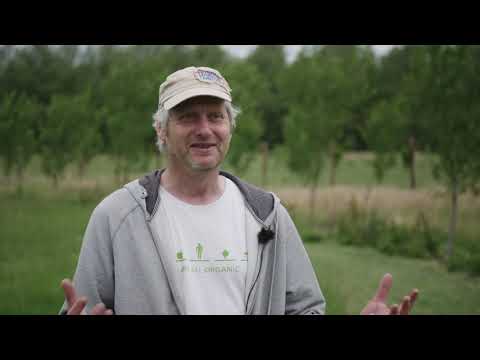
Agroforestry integrates trees into farming systems to support nature, soil health and climate resilience.
Read about our work planting trees on farms, or watch our agroforestry film to learn more about the amazing benefits of agroforestry.
Become a Soil Association member
We’re big advocates of trees, both on farms and in forests, but we can’t raise awareness about these amazing organisms and how to protect them without your help.
By joining as a member of Soil Association, you’ll be helping to achieve our goal of over half of UK farms having agroforestry systems in place by 2030.
We are also working hard to research alternative protein sources for livestock in Europe. We contributed to the recently published EU Protein Plan, and have been overseeing farmer-led research exploring the viability of beans, peas and lupins for livestock through our Innovative Farmers field labs programme.
We aim to transform how land is farmed and managed, supporting farmers, growers and foresters to adopt nature-friendly practices that restore soils, protect wildlife and help create a sustainable future for everyone. Find out how we are changing farming and forestry