

2026 Cymru election manifesto
Farmers and land managers in Wales are central to delivering on our shared ambitions for climate action, nature recovery and community wellbeing. Yet they face huge pressures: low and volatile farmgate prices, rising costs, post-Brexit trade uncertainty and increasingly extreme weather.
The Sustainable Farming Scheme is an opportunity to support a fair transition to resilient, regenerative farming systems. With the right investment and governance, the scheme could help cut agricultural emissions and increase carbon storage, improve animal welfare and put Wales on the path to halt and reverse nature loss.
But farming is only part of a wider food system. Public procurement could transform markets for local, sustainable produce, supporting rural livelihoods and deliver against the Well-being of Future Generations Act. Public bodies now have legal duties under the Environment (Wales) Act and the Nature Positive 2030 framework - duties that schools, hospitals and other services could help deliver through their use of sustainable food.
At the same time, a decisive shift towards healthier and more sustainable diets is urgently needed. Ultra Processed Foods (UPFs) make up over half of shopping baskets in Wales, fuelling obesity, chronic disease and early death. Poor access to affordable, healthy food deepens inequality, with one in three children living in poverty and many families forced to rely on cheap, calorie-dense products. These inequalities are driving disproportionate levels of obesity, diabetes and diet-related illness in our most deprived communities.
Meeting Wales’s climate and biodiversity targets demands urgent action: restoring peatlands and wetlands, supporting nature-friendly farming and regenerative forestry, and enabling collaboration across landscapes and catchments. Natural capital schemes must be accessible to family and tenant farms, with robust governance, monitoring and reporting frameworks ensuring nature recovery is both measurable and meaningful.
Our manifesto asks for the 2026 election are split into three themes. Prioritising healthy and sustainable food, investing in nature friendly farming, and stepping up action on climate and nature.
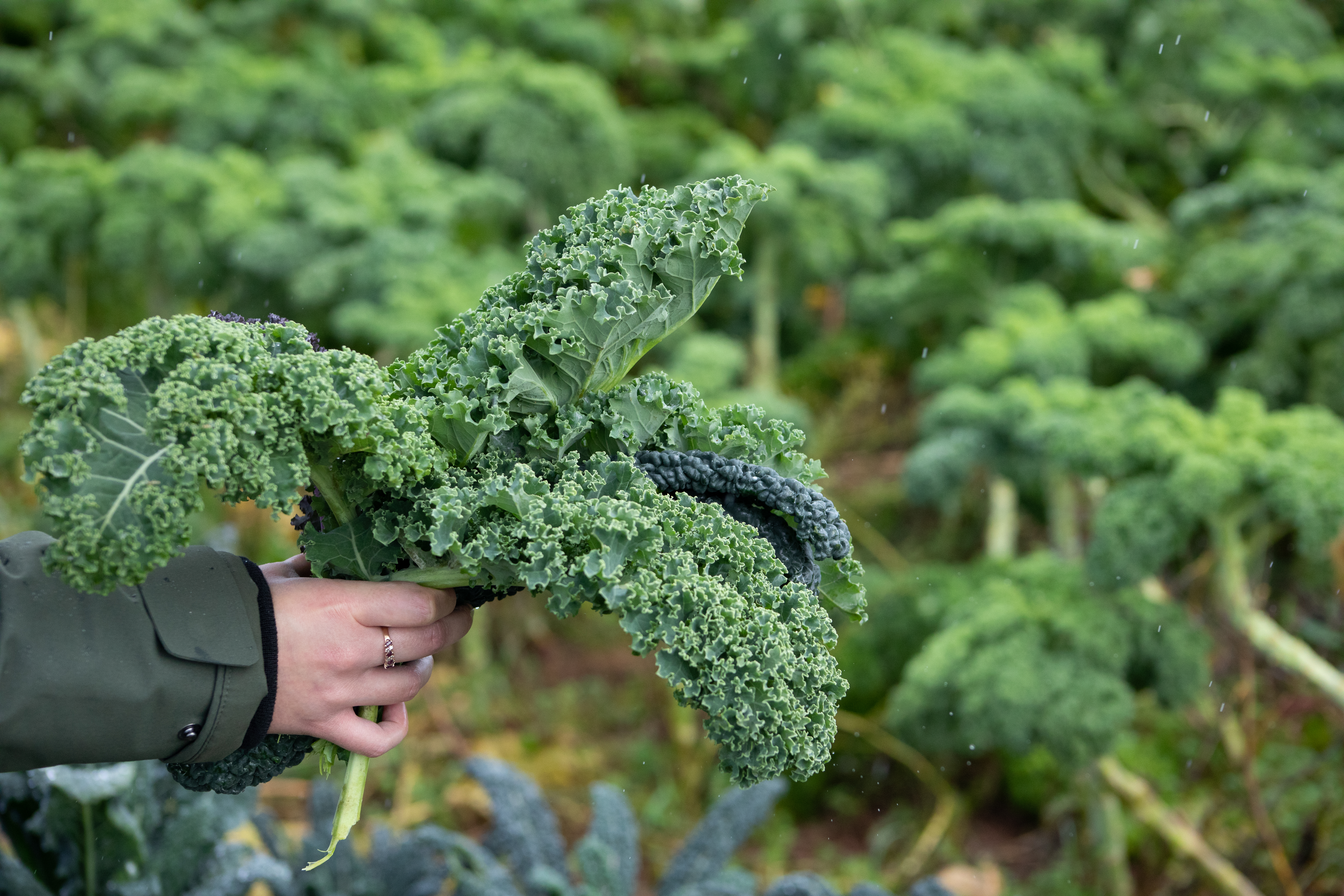
1. Prioritising healthy and sustainable food
Wales stands at a crossroads in shaping a food system that can deliver for people, nature and future generations. Rising diet-related ill health, persistent food poverty, the dominance of Ultra Processed Foods, and the vulnerability of global supply chains all threaten the health and resilience of our nation.
A good food system should guarantee everyone access to affordable, healthy and sustainable diets, while strengthening rural economies, restoring ecosystems and reducing inequality. The food system in Wales is neither fully sustainable nor resilient, but there are powerful opportunities to reshape how food is produced, distributed, and consumed - giving food a leading role in shaping policy across government.
By embedding food into existing legislation, using public procurement to shift demand, supporting local food infrastructure and horticulture, and safeguarding consumer rights, Wales can take practical steps towards a fairer and more resilient future.
The next government must seize this moment, placing healthy and sustainable food at the heart of policy making to protect public health, tackle the climate and nature emergencies, and ensure that every citizen in Wales has access to good food now and for generations to come.
The next government should:
Produce a national food resilience plan
Current and future generations in Wales must be able to access local, affordable, healthy and sustainable diets. Without an integrated, long-term approach, Wales is falling behind in securing a sustainable, resilient, and equitable food system for future generations.
Make access to healthy and sustainable food a public duty
The Well-being of Future Generations Act should be amended to include the food system and access to sustainable and healthy food for all, which are missing from the definitions of Wales’ well-being goals.
Amend national dietary guidance to set targets on Ultra Processed Foods (UPFs)
Update the Welsh Government’s dietary guidelines to include a clear percentage reduction target for UPF consumption. This would align with the Well-being of Future Generations Act by supporting the health and wellbeing goals, helping to reduce diet-related illness, and encouraging a shift towards whole and minimally processed foods that benefit both people and planet.
Drive sustainability in public sector food
Issue statutory guidance or a national Procurement Policy Statement directing public bodies to incorporate animal welfare and production method standards - including exclusions of intensively produced poultry - into their food contracts, using a funded transition period to help public bodies and the supply chain adapt.
Secure the full potential of Free School Meals
Introduce requirements and support to make school meals predominantly whole or minimally processed and available within a whole school approach to food. Extend Universal Free School Meals to secondary schools, starting with extended eligibility.
Scale community food and edible horticulture
Sustain and extend the cross-departmental approach to the production and consumption
of Welsh-grown fruit, vegetables and pulses. Invest in the Sustainable Farming Scheme, public procurement policy and local food partnerships and infrastructure to create
more opportunity for small-scale horticulture.
Secure labelling for gene-edited produce
All produce developed using gene-editing or precision breeding must be clearly labelled,
giving Welsh consumers the information to make informed choices. The next government
should use its powers under the UK Genetic Technology (Precision Breeding) Act 2023 to
protect transparency and public confidence, supporting health, sustainability, and fairness
in our food system.
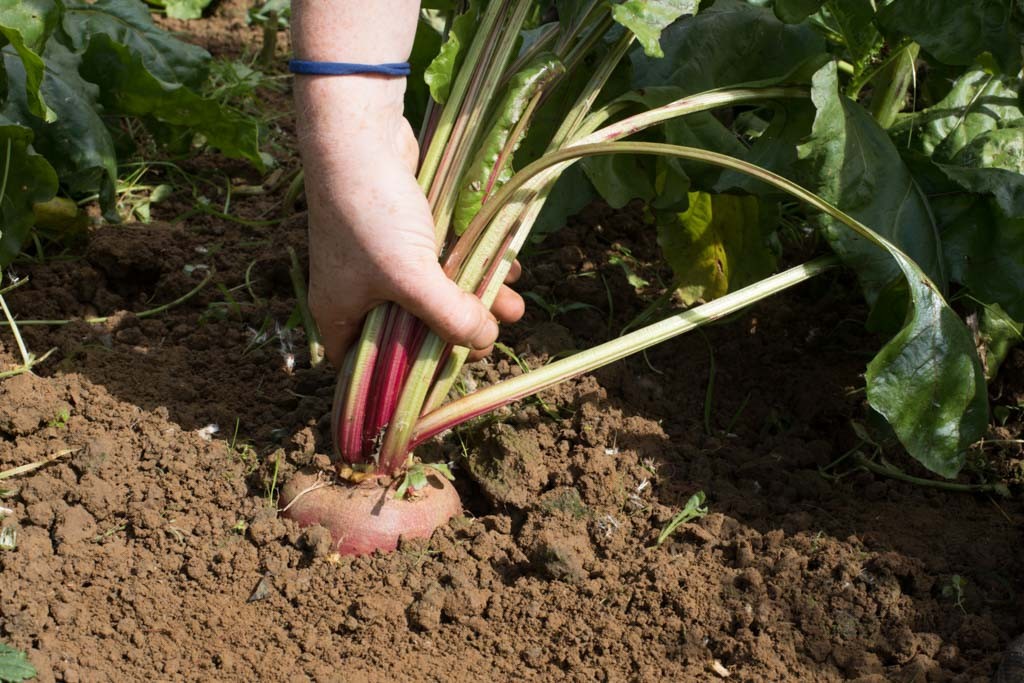
2. Investing in nature friendly farming
Wales’ agriculture budget is not yet sufficient to meet our climate and nature goals.
Delivering a truly resilient, nature-positive farming sector requires greater investment
from government, clear farm-level metrics to help provide confidence to green finance
investors and reduce dependency on public funds, and support for practices that benefit
both productivity and the environment.
Farms should be supported to reduce chemical inputs, integrate trees and agroforestry,
improve animal health, diversify grasslands, and adopt cover cropping. Approaches that
can demonstrate measurable environmental outcomes, including organic systems, should
be prioritised. Peer-to-peer knowledge exchange and shared learning will be essential to
scale up best practice and accelerate the transition to sustainable farming across Wales.
The next government should:
Secure an increased multi-year agricultural budget
Secure a ring-fenced, multi-year budget to support Welsh farmers in transitioning
towards climate-resilient, nature-positive farming practices through the Sustainable
Farming Scheme.
Ensure effective delivery of the Sustainable Farming Scheme (SFS)
Invest in robust digital and administrative systems to streamline applications, monitoring,
and payments within the SFS. Develop an integrated approach to advice and guidance
within the SFS and Farming Connect and help scale up the provision of whole-farm
advice and planning elsewhere.
Invest in the sustainable growth of the organic sector
Produce an Organic Action Plan outlining clear priorities to scale up organic production,
meet rising demand, and support the long-term growth and resilience of organic food
and farming in Wales. Commit to a target of 10% organic land by 2030, with SFS financial
support for organic conversion and maintenance to meet growing demand and reduce
chemical inputs. Promote Welsh organic food in Food and Drink Wales campaigns.
Implement clear guidelines for monitoring farm level data on environmental
outcomes
Help to provide confidence to green finance investors and reduce dependency on public funds. This monitoring should also be a requirement of government farm support, once guidelines to support farmers are established.
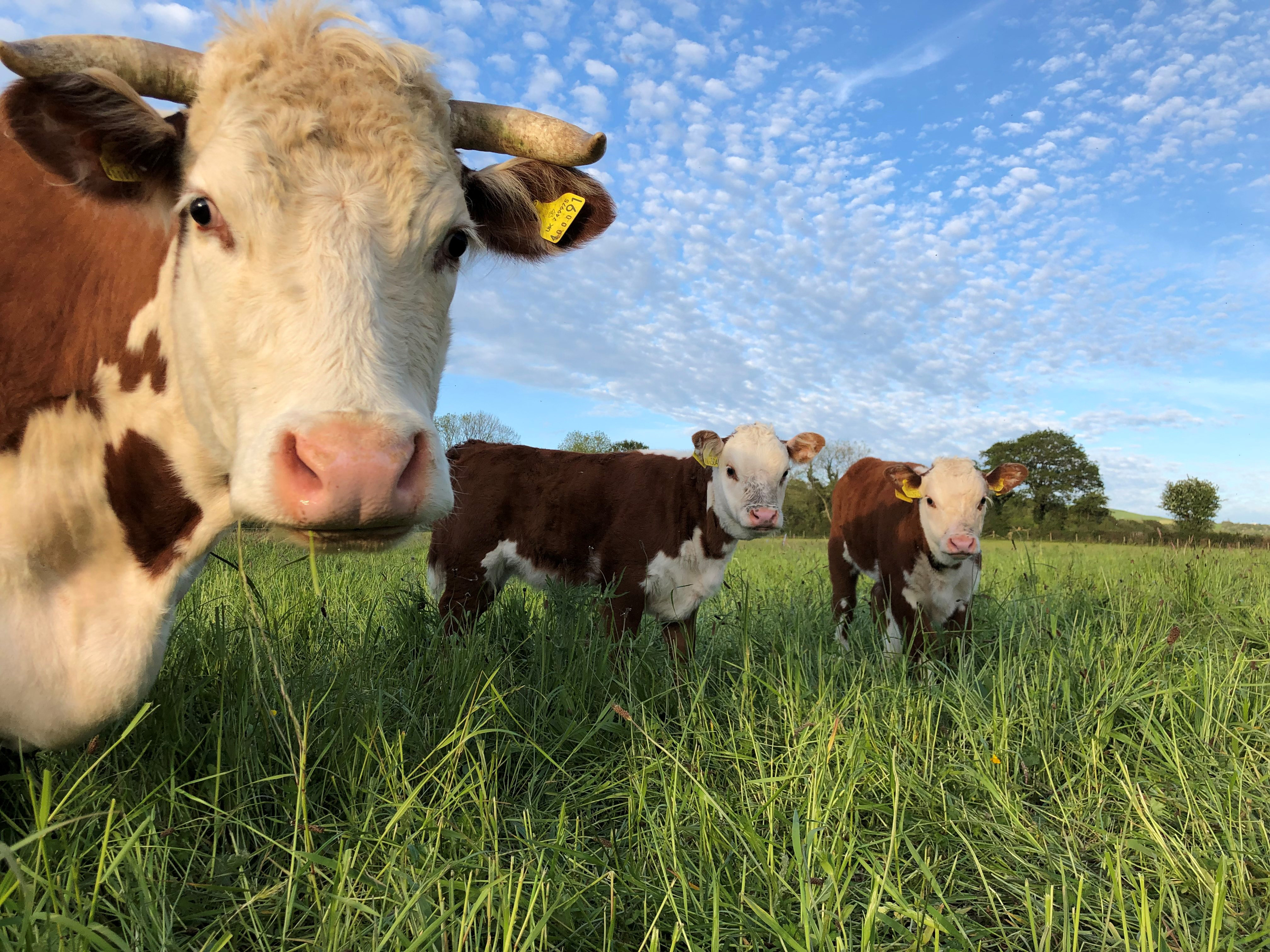
3. Stepping up action on climate and nature
Farmers, foresters and land managers are central to tackling Wales’ climate and nature
emergencies. Healthy soils, sustainable livestock systems, and integrated land
management are essential for building resilience to extreme weather, improving
biodiversity, and supporting long-term productivity. Nature-friendly approaches, such as
cover cropping, diverse grasslands, and integrating trees on farms, can help mitigate
flooding, improve carbon storage, and enhance ecosystem health.
Wales also has an opportunity to lead through coordinated policy, ensuring farming and
forestry are complementary rather than competing land uses. Small and medium-sized
farms must be able to access natural capital opportunities, while regulation and standards
are applied consistently to protect environmental outcomes across all farming systems.
Industrial livestock production carries significant environmental risks, makes it harder for
less intensive systems to compete, and creates a heavier regulatory burden across all
farms. A targeted and effective approach to regulation and enforcement is needed to
reduce environmental impacts, support sustainable, climate-resilient practices, and create
a fairer system for all farmers.
The next government should:
Introduce a legally binding target and strategy for soil health
Recognise soil’s essential service to society by including healthy soils as a key priority area
for legally binding environmental targets alongside biodiversity, air, water and waste. Deliver a soil strategy and action plan that includes the policy, monitoring and investment
required to ensure that all soils in Wales are managed in a way that improves their health
and productivity, supports biodiversity, and contributes to climate change mitigation.
Set a reduction target for fossil fuel-based nitrogen fertilisers
Support farmers to transition away from these expensive and harmful chemicals.
Develop a joined-up policy framework for land use
One which recognises and facilitates the opportunities for farming and forestry to be managed in an integrated way, rather than as rival land uses.
Scale up regenerative and farm-scale forestry systems
Implement public funding and regulation to reward the benefits to climate, nature and
people secured by regenerative forest management practices, starting with a grant
payment to support transformation from rotational clear fell to Continuous Cover
Forestry, initially targeting small woodlands of 20ha or less. Implement the Timber
Industrial Strategy action to commission a study on local supply chains to benefit local
businesses including farmers and small woodland owners, foresters, local sawmillers and
furniture makers.
Commit to introducing a National Minimum Standards framework
An effective regulatory baseline (National Minimum Standards) must be delivered for all
farmers in Wales, not just those within the SFS.
Ensure Effective Regulation of Industrial Livestock Systems
Extend environmental permitting to large dairy and beef cattle farms, extend the
moratorium on IPUs across Wales and produce a Technical Advice Note for intensive
livestock in the planning system.