Easy food swaps to try this Organic September
With so much competing information around food and its impact on the environment and health, we think choosing organic is one simple step you can take to improve your weekly shop. Here are some organic swaps to try.
What does 'organic' mean?
When it comes to food and farming, 'organic' is a legally regulated term in the UK. Organic businesses must follow strict rules, and their accredited certification body will inspect their practices against the standards at least once a year.
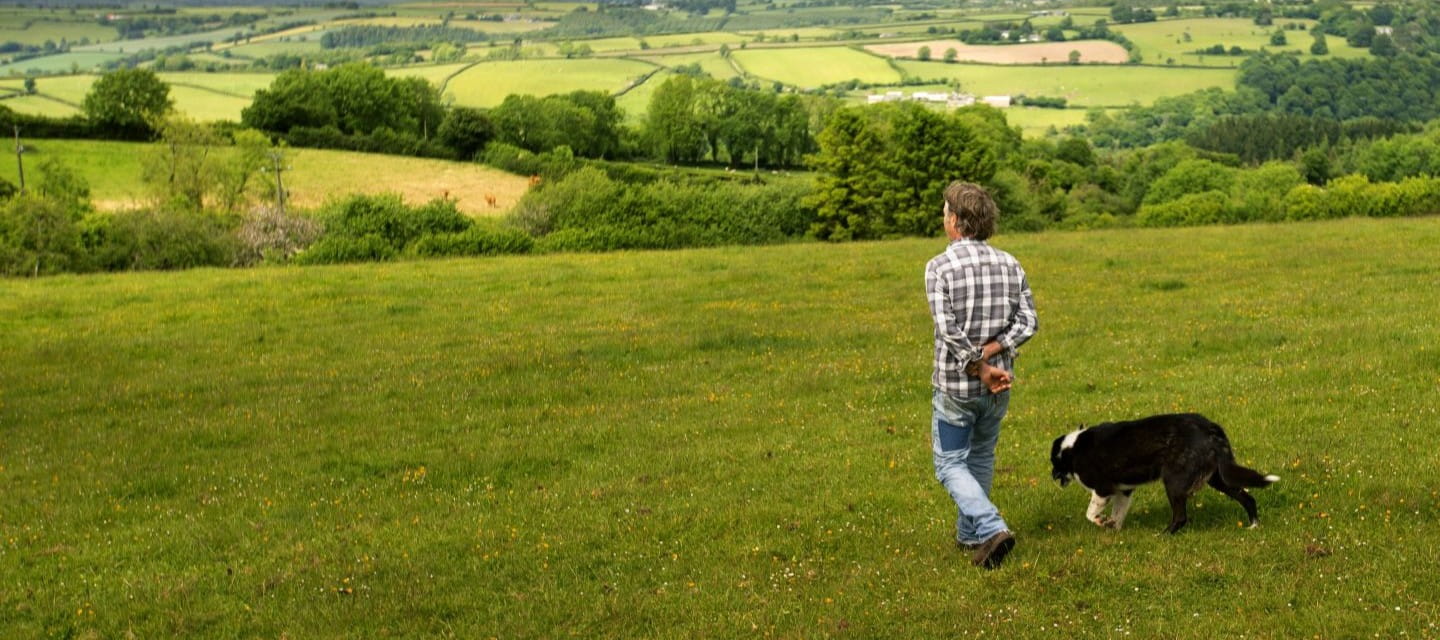
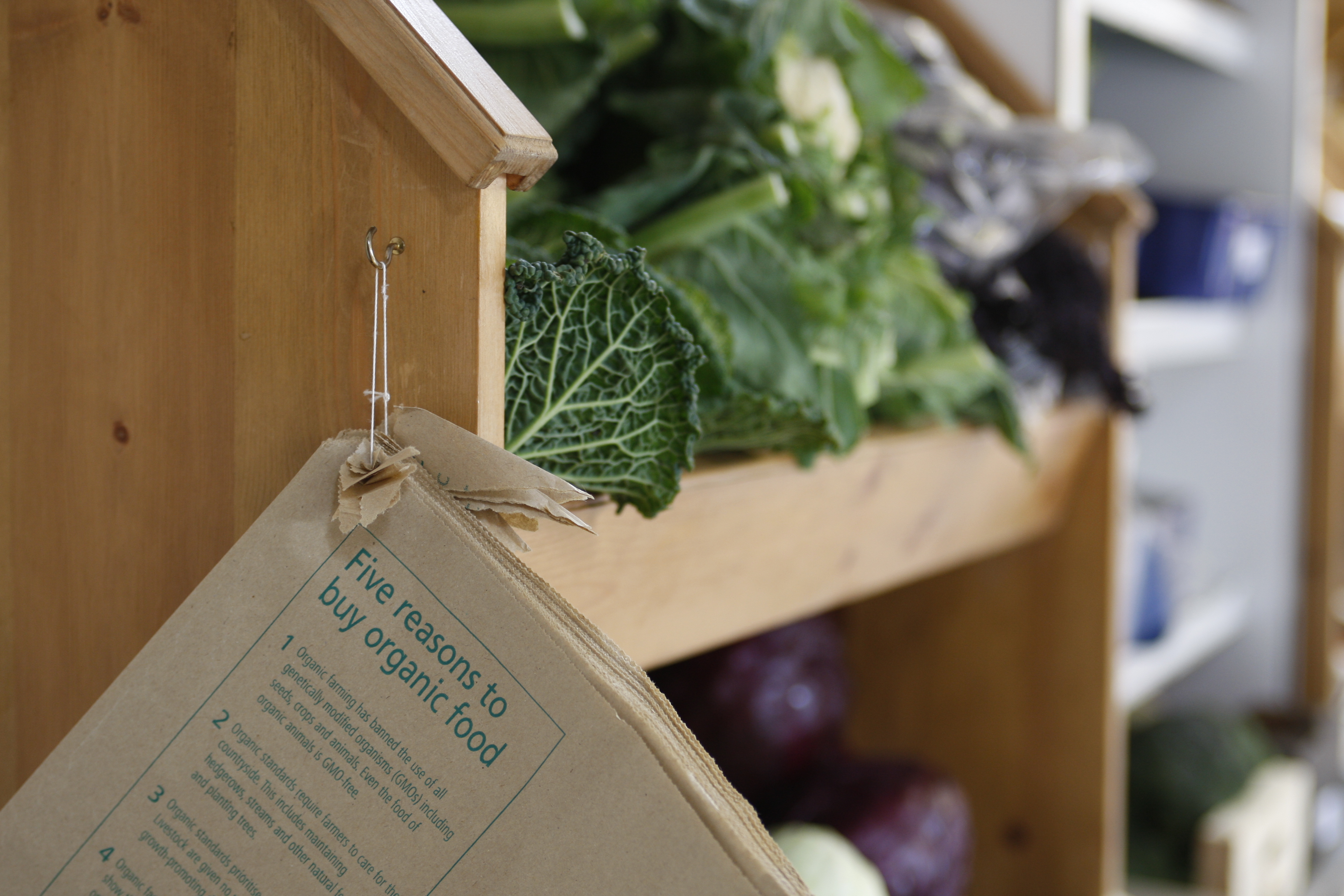
Organic farming means working with nature, not against it. It is farming in a way that maintains or enhances the health of soil, plants and animals, and supports the systems that produce the food we eat.
83% of UK households, more than 4 in 5, are buying organic annually. Still, with the cost-of living shaping our spending, even swapping one or two things in your basket or trolley this Organic September could make a big difference.
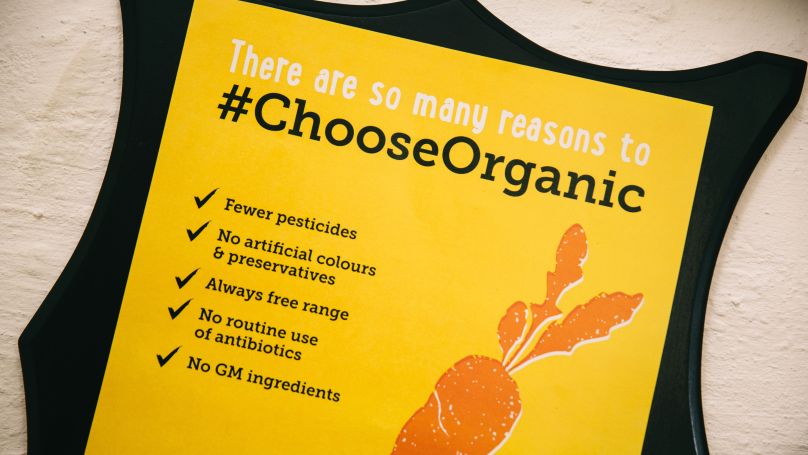
What are the best organic foods to buy?
An easy way to start is with what you eat most. If you eat porridge every day, organic oats are a great swap. Or if your kids eat strawberries by the punnet, try switching those to organic.
Here are some easy organic swaps to try.
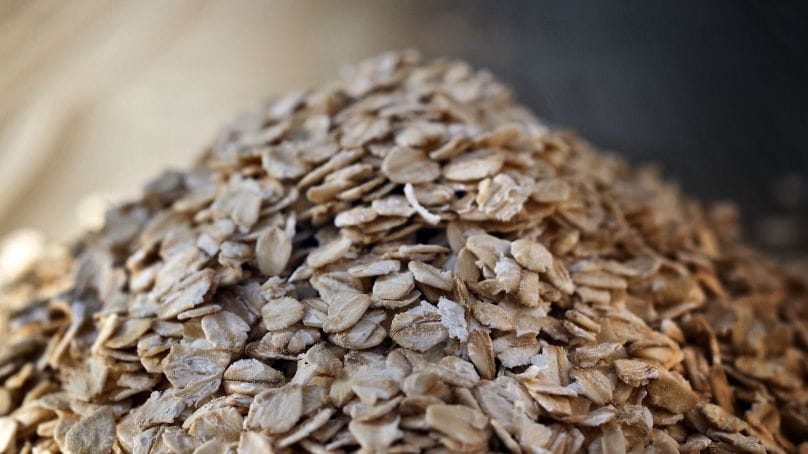
Porridge oats
One way to limit your daily pesticide exposure is to switch to organic oats. Non-organic crops including oats and wheat, and staples like bread, can contain glyphosate [1, 2], a synthetic herbicide that Soil Association is currently campaigning about.
Crops are often sprayed with glyphosate before harvesting to dry them out to make it easier to harvest, in a process known as pre-harvest desiccation. The EU has already banned this kind of glyphosate use.
In this video, Professor Tim Spector explains some of the things to consider when choosing which oats to buy, including herbicide use. Glyphosate is not allowed in organic farming. [3]
Eggs
If animal welfare is your priority, try organic eggs. Organic chickens are much more than free-range. They live in smaller flocks, have better access to the outdoors and more space in their houses than non-organic chickens. [4]
Organic laying hens are also kept in smaller flocks with more space, with a maximum flock size of 3,000 vs 16,000 in free range systems. [5]
Soil Association has some of the highest standards of animal welfare of any certified farming system in the UK. [6] These standards ask farmers to provide the birds with easy daytime access to a diverse outdoor range.
Milk
Organic milk comes from cows raised to higher welfare standards than non-organic, with a grass-based diet [7] and no routine use of antibiotics (which are crucial for human health). [8]
Like organic chickens, organic cows are truly free-range. [9] They must have plenty of space to roam outdoors at pasture for as much of the year as possible (weather permitting). This helps to reduce stress and disease. It also gives them the freedom to express their natural behaviours.
Fresh fruit and vegetables
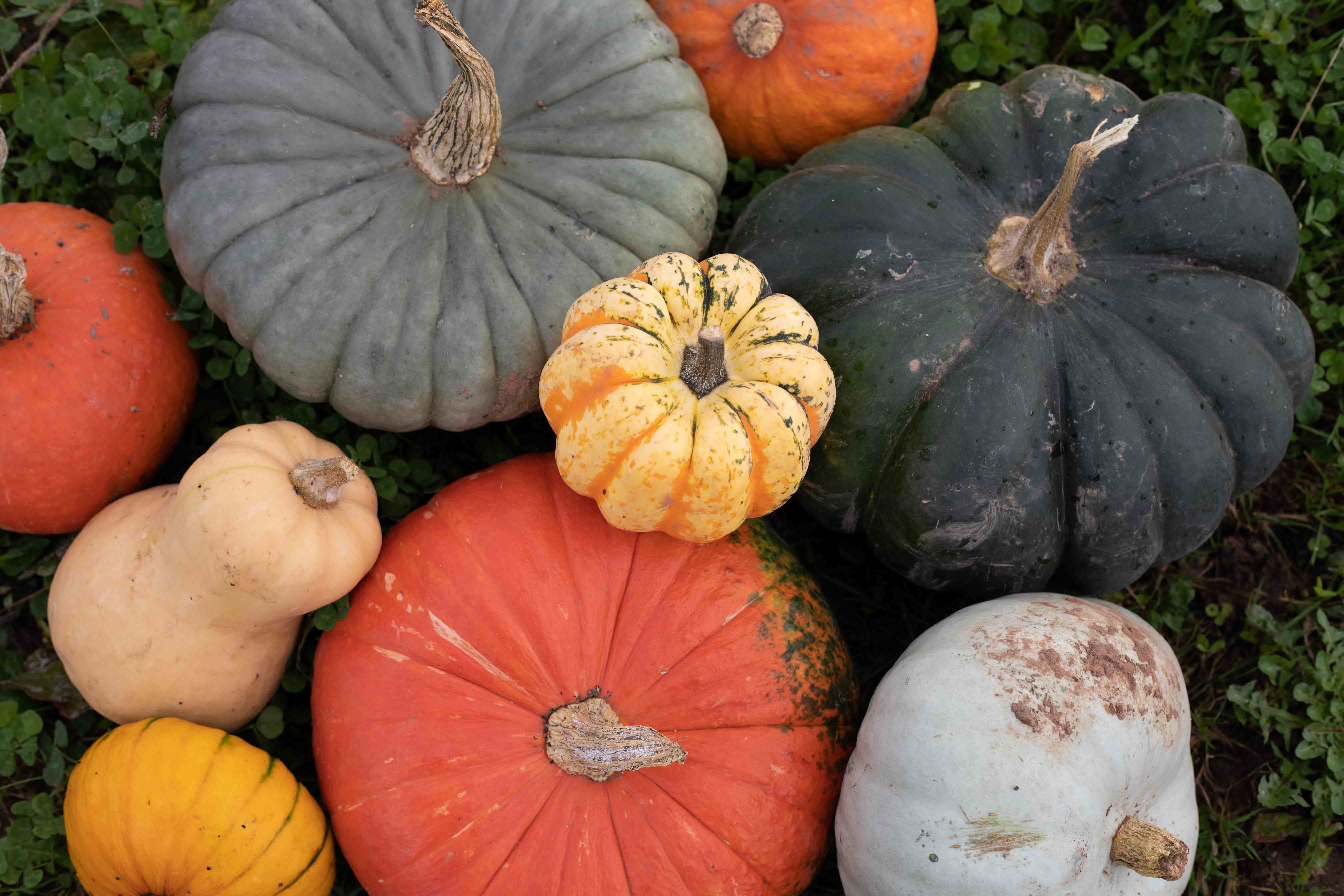
Organic produce isn't sprayed with pesticides, which means less synthetic pesticide residue when it gets to your plate. PAN UK (The Pesticide Action Network)'s dirty dozen list shows the worst-offending non-organic fruit and vegetables for pesticide residues.
The most recent list ranked grapefruit, grapes, limes, bananas, and sweet peppers as the most contaminated. Grapes are one of the worst offenders, with one sample containing residues of 16 different pesticides.
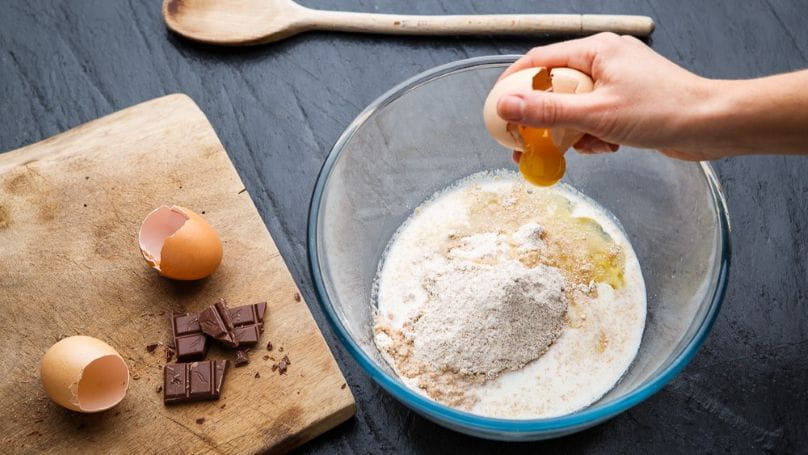
Frozen food
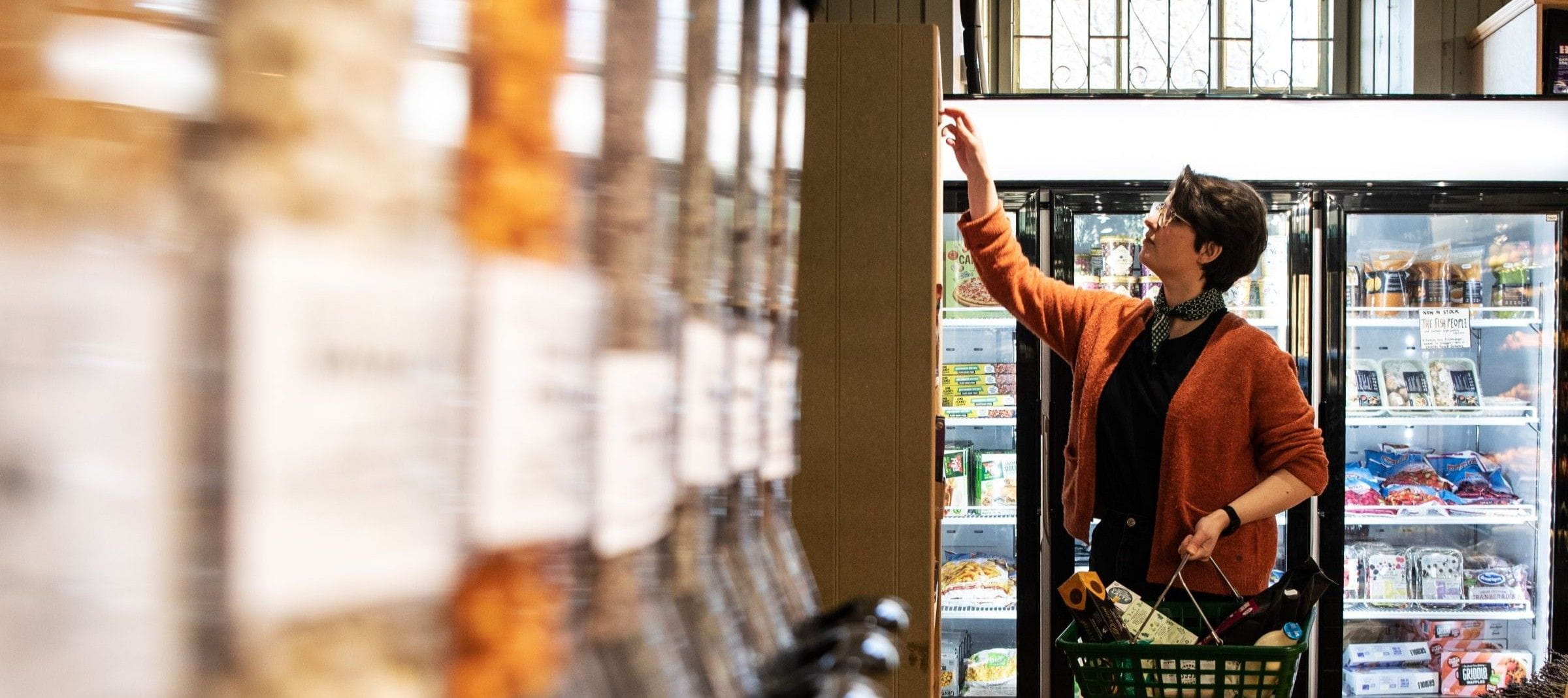
When it comes to cost saving and convenience, frozen organic food comes out on top. Frozen food is low waste, high nutrition, and you can enjoy your favourites all year round.
We recommend heading to your favourite food brand or delivery service and filtering the frozen section to show organic results in order of cheapest first. You might be surprised by how affordable kitchen staples are - from frozen organic peas, sweetcorn and spinach to mixed veg and frozen berries. There are also time-saving swaps, like frozen chopped onions, garlic, ginger, baby food, sliced bread and chips.
Organic doesn't stop with food and farming...
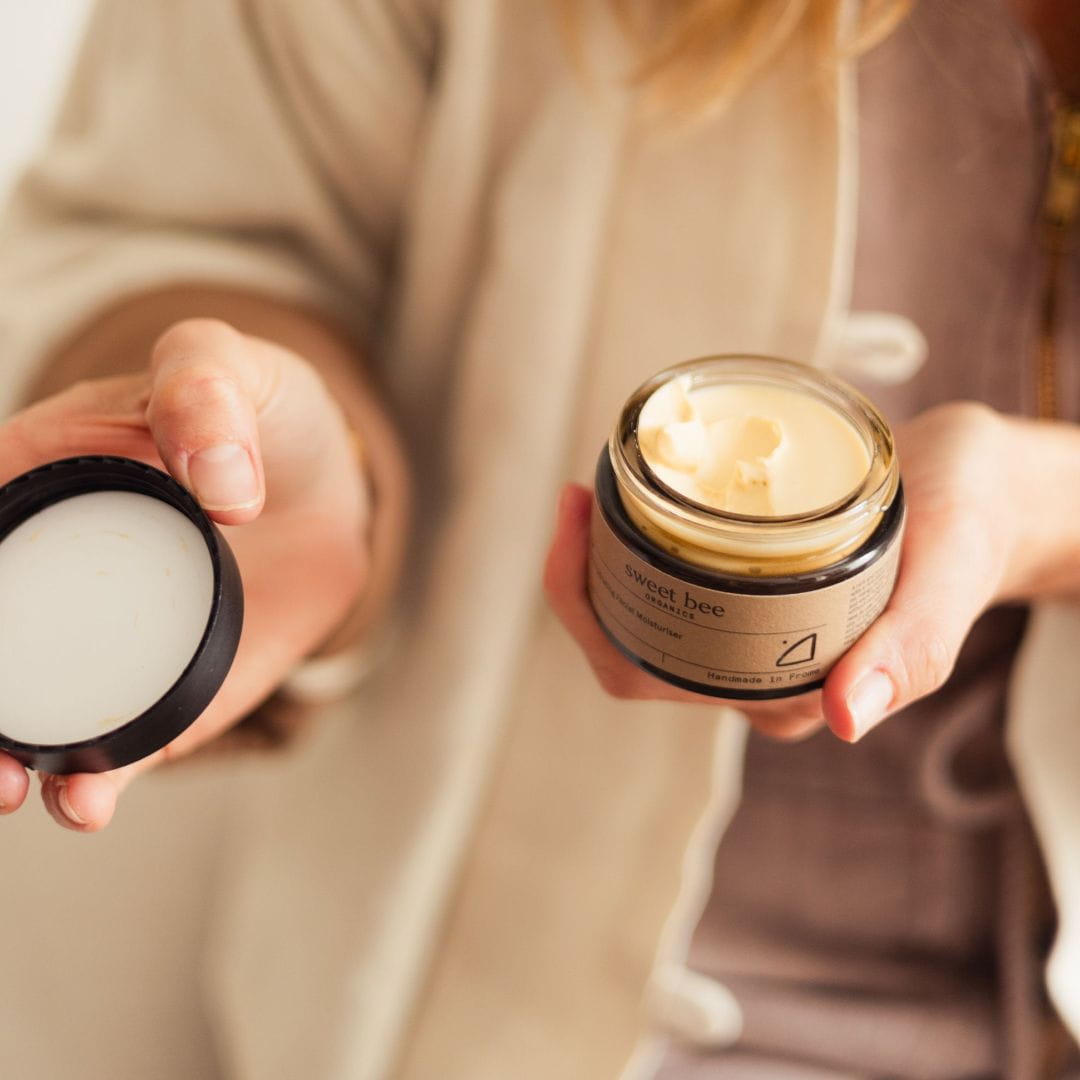
These kinds of products are not regulated in the same way as food and farming, so it's even more important to look for a certified organic brand.
Ready to make some organic swaps?
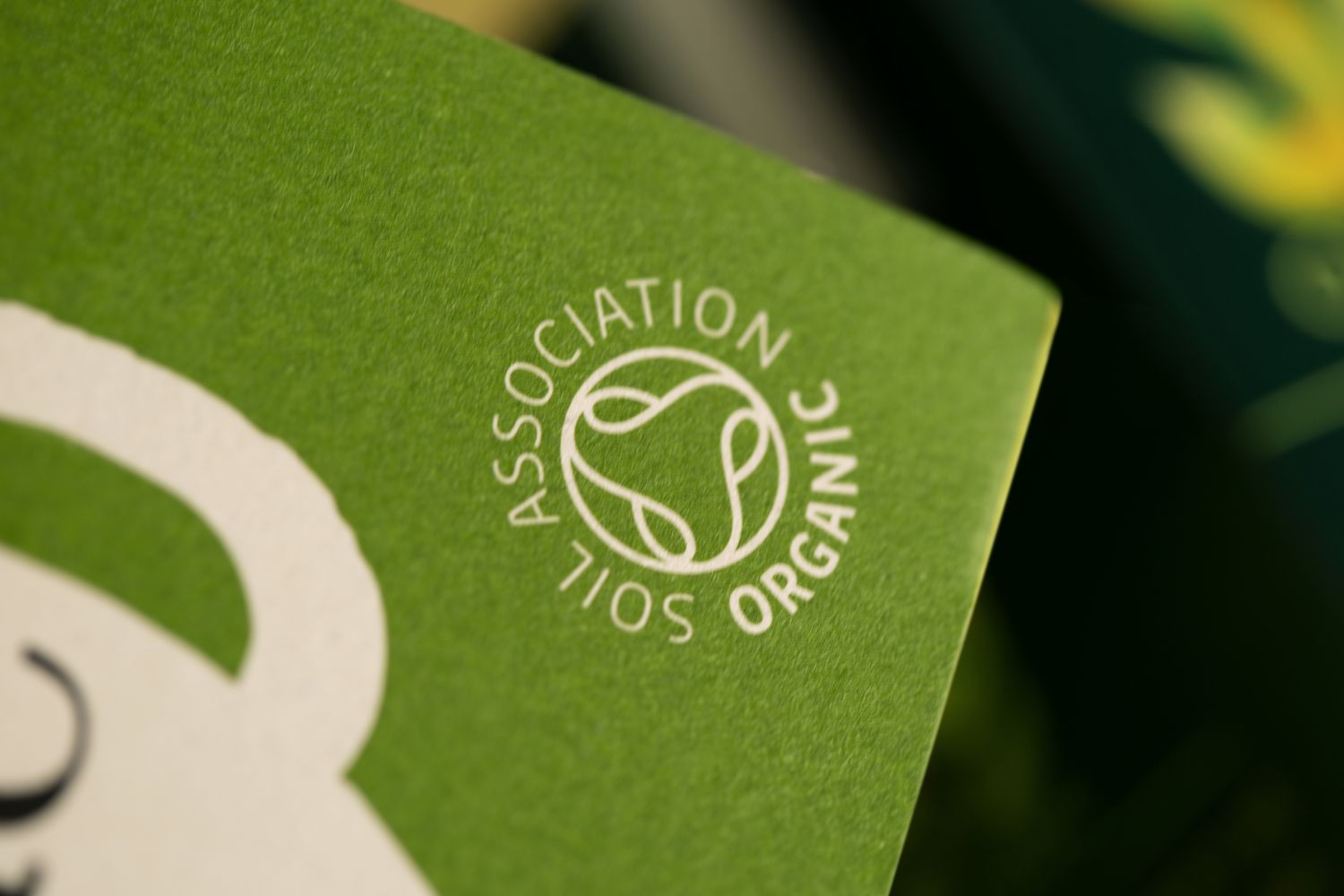
The Soil Association organic symbol can only appear on products that have been independently inspected and certified. When you see the symbol on pack, this should give you peace of mind that food has been produced to standards designed to support animal welfare, nature and human health.
Liz Williams
References
PAN UK's analysis of the UK Government’s testing results in 2024 found glyphosate in 28% of bread samples.
In AHDB independent testing, malting barley had the highest incidence and oats had the highest levels of glyphosate residues found in crops.
Soil Association Organic Standards for Great Britain, Farming and Growing (2026) SA GB 2.6, and 2.6.1; Soil Association Organic Standards for Northern Ireland, Farming and Growing, (2026) SA NI 2.6 and 2.6.1.
Soil Association Organic Standards for Great Britain, Farming and Growing Version 2026) SA GB 3.10.9 Soil Association Organic Standards for Northern Ireland Farming and Growing (2026) SA NI 3.10.9.
Soil Association Organic Standards for Great Britain, Farming and Growing (2026) SA GB 3.12. 24 Soil Association Organic Standards for Northern Ireland, Farming and Growing (2026) SA NI 3.12.24. For comparison with non-organic chickens refer to: Compassion in World Farming and OneKind - Standards Analysis Report 2012.
Compassion in World Farming (2012) Farm Assurance Schemes and Animal Welfare: How the standards compare (Executive Summary).
Soil Association Organic Standards for Great Britain, Farming and Growing (2026) SA GB 3.10.4 and 3.10.5 Soil Association Organic Standards for Northern Ireland Farming and Growing (2026) SA NI 3.10.4 and 3.10.5.
Soil Association Organic Standards for Great Britain (2026), SA GB 3.5.3 and 3.5.4, and Soil Association Organic Standards for Northern Ireland (2026) SA NI 3.5.3 and 3.5.4.
Soil Association Organic Standards for Great Britain, Farming and Growing (2026) SA GB 3.6.1, and Soil Association Organic Standards for Northern Ireland, Farming and Growing (2026) NI 3.6.1.