Contact us
With over 50 years' experience in certification, we provide personalised support for certified organic businesses.
With growing industry engagement around regenerative farming practices, it’s not always clear how regenerative differs from organic. Download our infographics to help you confidently communicate the similarities and differences.
Both organic and regenerative agriculture share a common goal of creating a food system that benefits the environment and society.
Regenerative agriculture is grounded in the organic movement. The term "regenerative" was initially coined by an organic pioneer in the United States, and many academic studies on regenerative farming are conducted on certified organic farms.
Organic agriculture, with its established principles and practices, aligns closely with the best aspects of regenerative agriculture.
This shared foundation presents an opportunity for regenerative practices to reinforce and amplify the principles of organic agriculture.
Regenerative farming is a set of principles focused on improving soil health through reducing tillage, diversifying crops and extending rotations. Organic is a system of farming and food production, and a protected term. Organic farmers work to a set of standards which must legally comply with strict regulations.
The objectives laid out the organic regulation are designed to:
enhance the health of soil, water, plants and animals
contribute to high biodiversity
use resources responsibly
respect high levels of animal welfare
Certification is legally required to grow, process or market organic products, and all organic farms and companies are inspected by a certification body at least once a year.
At Soil Association Certification, we also certify to higher organic standards which go beyond the legal minimum in areas such as animal welfare, the environment and human health.

We have developed infographics that explain the comparisons and differences between organic and regenerative, which can be used by the industry to help frame organic and regenerative farming effectively.
Our infographics outline five key messages:
organic is regenerative: because organic farms are managed without artificial fertilisers, they already routinely incorporate many beneficial regenerative practices such as cover cropping, long, diverse rotations, incorporating livestock and growing nitrogen fixing legumes
organic is about more than soil health: organic standards insist on a holistic, whole farm system approach to sustainable farming that starts with soil but goes much further, enhancing biodiversity and delivering higher standards of animal welfare when compared with other certified farming systems
organic is regulated by law: organic is underpinned by a set of robust standards that are independently audited and verified
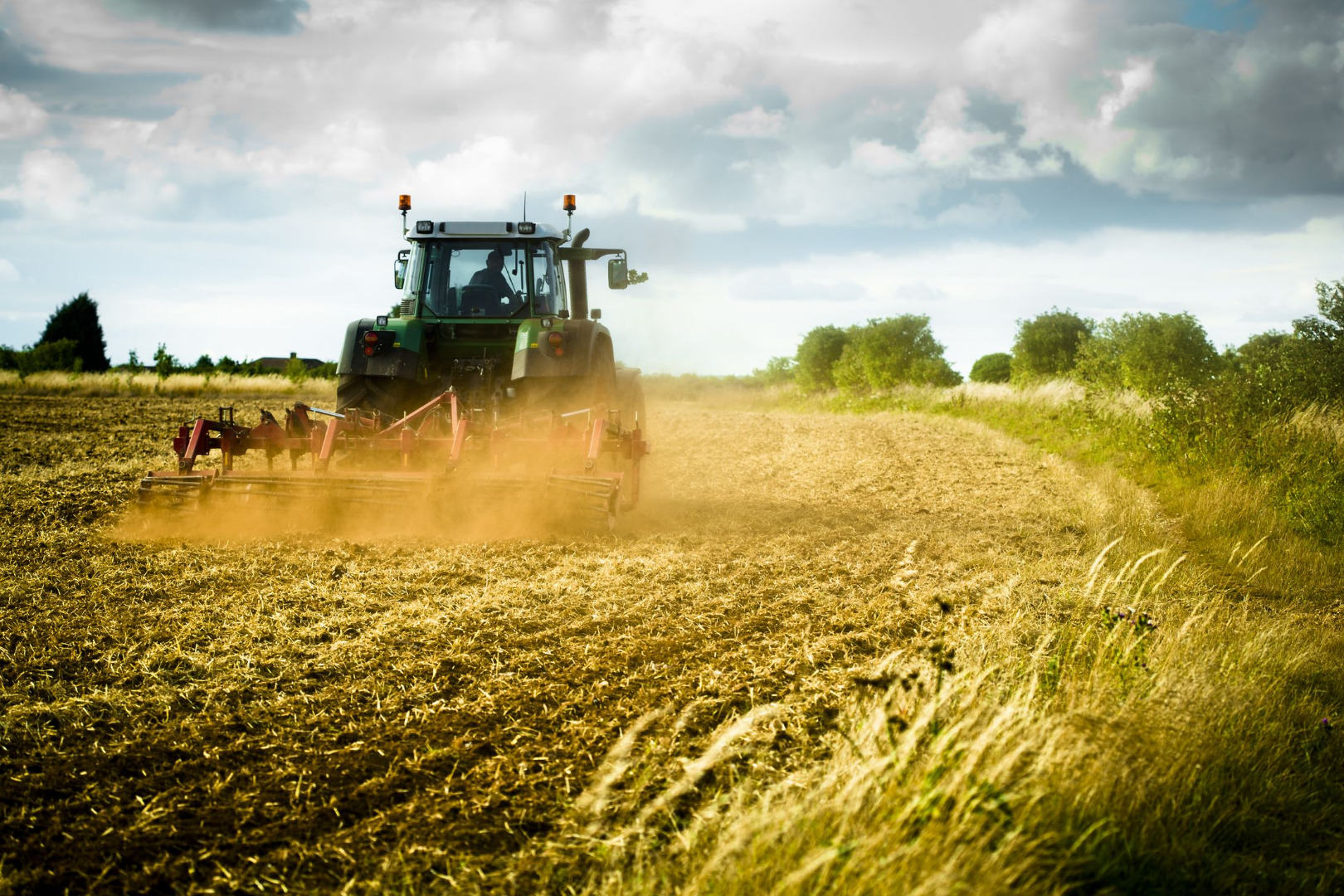
organic manages weeds without chemicals: minimising soil disturbance is often mentioned as a key benefit of regenerative agriculture, yet the plough is often replaced with weedkillers such as glyphosate, which are banned under organic standards
organic and regenerative can learn from each other: organic farmers have been innovating for decades, and the rise in regenerative farming could help fast-track exciting opportunities for innovation, tech, and research and development
Download the organic and regenerative infographics
Published 14 May 2026
We welcome the enthusiasm and innovation that the regenerative movement brings and believe that genuine regenerative advocates and the organic movement are often one and the same.
We are also cautious about the risks of greenwashing when it comes to the term regenerative, and recognise organic certification as the most comprehensive, verifiable, legally protected benchmark for regenerative agriculture.
Due to the increasing use of the term regenerative in marketing, the Advertising Standards Agency (ASA) has provided guidance and is continuing to monitor its usage where concerns are raised.

Strickley is an organic dairy farm near Kendal in South Cumbria which has been farmed by the same family since 1875. To help secure the farm's future, they reduced their reliance on artificial fertilisers and expensive inputs, introduced herbal leys, and began to grow more of their own crops.

The newly launched Organic Action Plan for England (OAPE) is a huge opportunity for the country. The Soil Association has been heavily involved in supporting the government to develop the plan. Read our recommendations as a group for the UK government and the sector.
Find out all you need to know about certification for farmers and growers.