

What are the benefits of organic?
The way we farm and eat can make a world of difference.
Organic means a whole farm system that sustains the health of soils, ecosystems, and people. It relies on ecological processes, biodiversity and cycles adapted to local conditions, rather than using artificial inputs with adverse effects. Organic farming combines tradition, innovation, and science to benefit the shared environment and promote fair relationships and good quality of life for all involved.
1. Organic is better for the planet
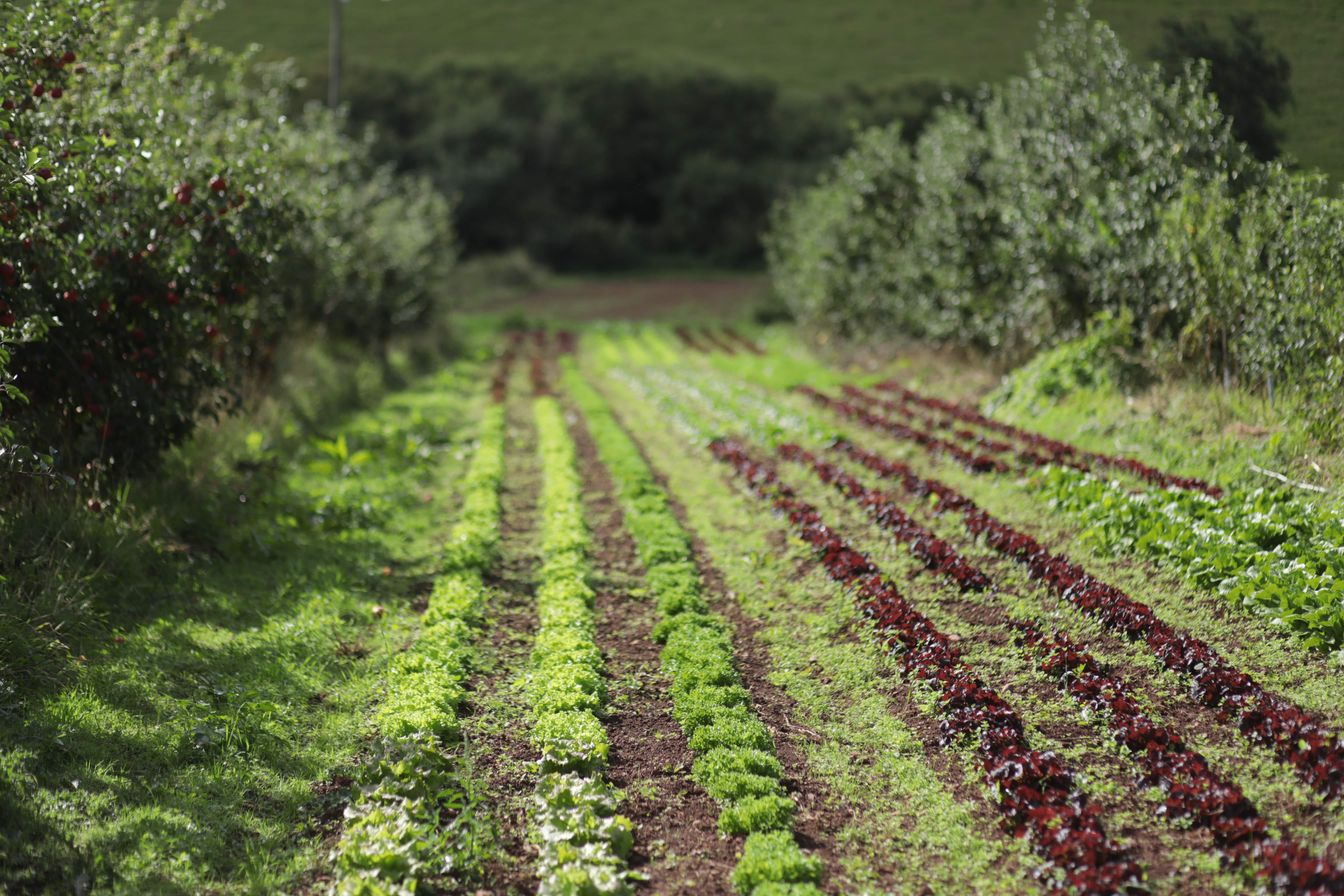
Organic farm systems lead the way on sustainability as they are designed to respect nature and to enhance the health of soils, water and air.
Studies suggest that if all Europe’s farmland followed organic principles, agricultural emissions could drop by 40-50% by 2050, with plenty to feed the growing population healthy diets.
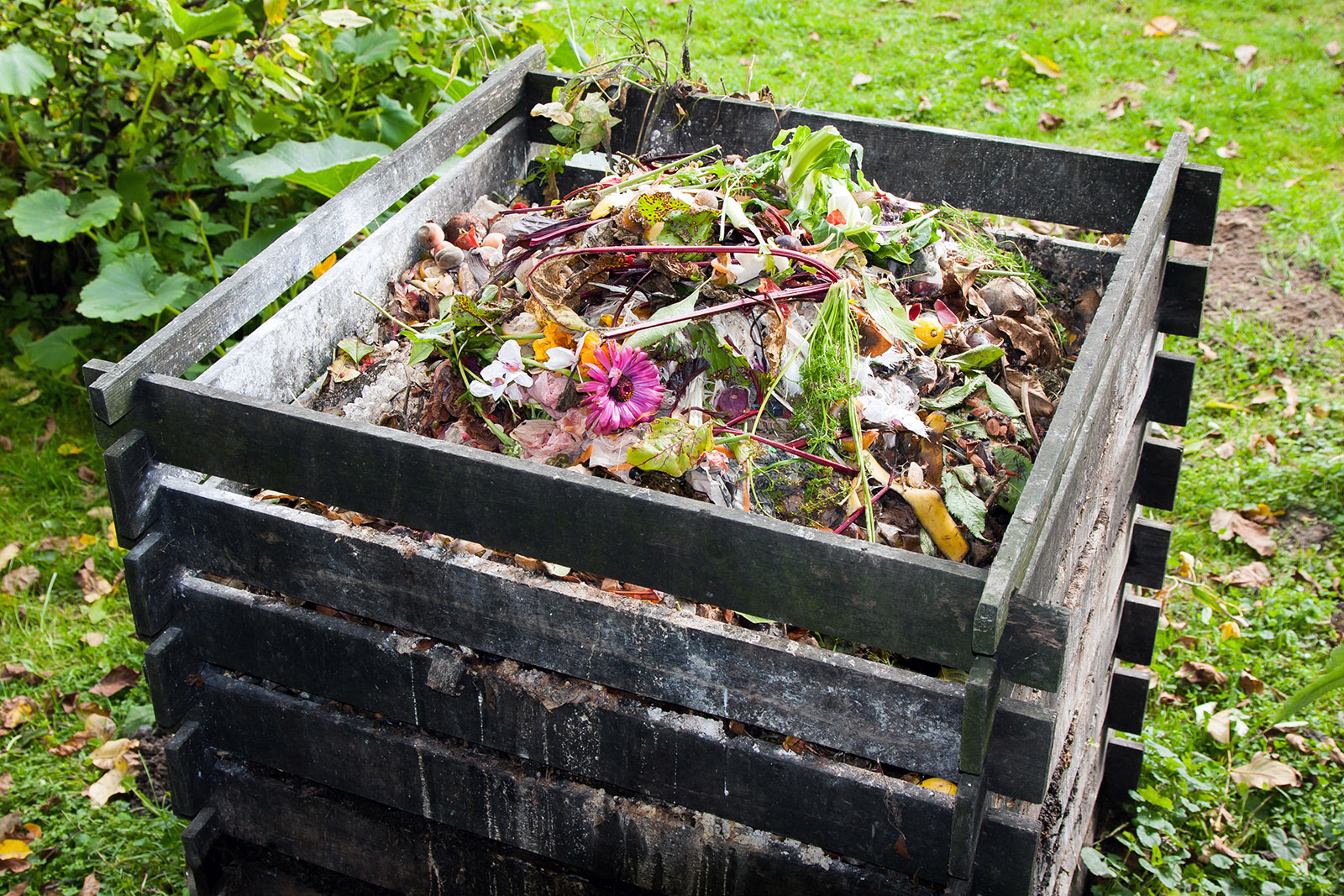
Organic farmers are encouraged to ‘close the loop' on their farms, making use of what’s to hand and limiting the use of imported resources.
This means:
2. Organic has the highest animal welfare standards
The Soil Association standards aim to ensure that animals reared for meat and animal products have a good life. Organic farming has the highest animal welfare standards of any international farming system; this means truly-free range animals, encouraged to forage, graze and roam, with plenty of space, fresh air, and conditions that allow them to express their natural behaviours.
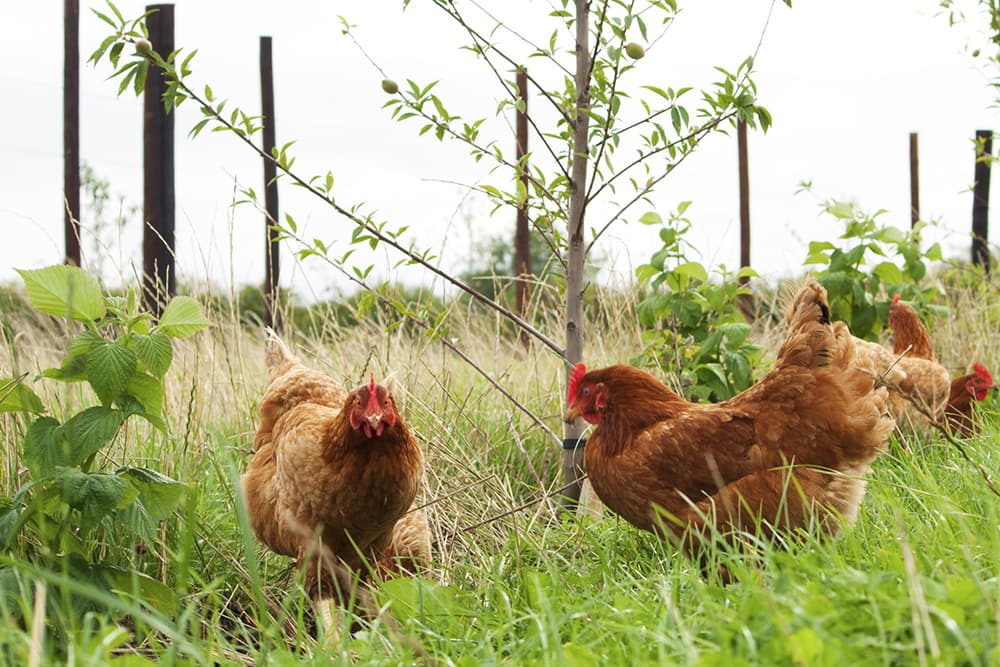
Smaller flocks and herds, and more access to the outdoors means organic animals don’t have to be routinely treated with antibiotics and wormers, and mutilations like beak-tipping to prevent the aggressive side effects of stress are also not needed, or allowed.
3. Organic is better for nature and wildlife
Britain’s wildlife is in decline. Organic farms have on average 30% more biodiversity and are havens for wildlife providing homes for bees, birds and butterflies.
Organic farms rely on healthy ecosystems to control pests and protect their soils, they tend to farm in a way that encourages wildlife, like planting trees, ‘beetle banks’ and wildflower margins, and digging ponds around their fields. This means farmers can manage pests naturally without relying on synthetic pesticides as seen in conventional systems.
Fostering biodiversity, protecting sensitive habitats, and working within natural systems are all key principles of organic food production. Organic farming aims to minimise disruption to the natural environment, producing food in a way that works with nature, not against it. Maintenance of hedgerows, ponds and woodland are all part of being an organic farmer - in organic systems, these on-site natural resources benefit the farm too! Learn more about how we're helping farmers to plant more trees on their farms.
Because organic farms avoid artificial nitrogen fertilisers and pesticides, there is a lower risk of polluting rivers, seas and waterways surrounding farmland which can kill fish and other aquatic life.

4. Organic is better for people
Organic farming joins the dots between our own health and the health of our planet, our animals and our wildlife:
- Fewer additives and preservatives
- No GM ingredients
- Reduced use of antibiotics
- Nutritionally different food
Eating organic food means supporting a way of farming that works for people long into the future – from farmers out in the fields to those tucking in at home.
The health of soil, plant, animal and man is one and indivisibleAlbert Howard
Fewer additives and preservativesThe use of additives and processing aids is heavily restricted in organic. Organic standards prohibit:
- Hydrogenated fats
- Controversial artificial food colourings, sweeteners and preservatives, like tartrazine and aspartame
- And prevent organic fruit and vegetables from being washed in chlorine
No GM ingredientsOrganic food systems are opposed to GM, for environmental, health and social reasons, and all GM ingredients are banned under organic standards.
Their limited capability, plus the high cost of producing a commercial GM crop or animal, means that the technology is often targeted at profitable, but short-term fixes that don’t address root causes.
Organic systems work to find solutions to underlying causes rather than symptoms. For example, rather than tweaking a gene in livestock for short-term disease resistance, organic farming aims to reduce the likelihood of disease in the first place, usually through higher welfare standards.
Whilst GM foods are very limited in the UK, most non-organic livestock are fed them. As such GM-fed meat, egg and dairy is widespread and unlabelled in supermarkets.
Food produced using fewer antibioticsThe overuse of antibiotics in human and animal medicine is undermining their ability to cure life-threatening infections. The more sparingly we use our antibiotics, the more effective they will remain.
With farm animals accounting for 30% of all antibiotics used in the UK, organic farming standards, which ban the routine use of antibiotics, can help minimise antimicrobial resistance and protect the effectiveness of these treatments.
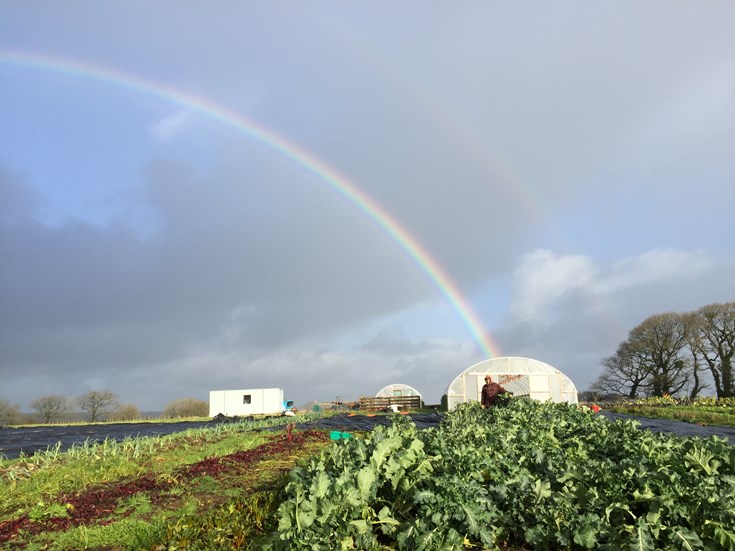
Producing food that's nutritionally different
The hard work organic farmers put into caring for their crops and animals pays off in the quality of the food they produce. Research has found significant nutritional differences between organic and non-organic farming:
- A study published in the British Journal of Nutrition in 2014 showed that organic milk and meat contain around 50% more beneficial omega-3 fatty acids than non-organic. These nutritional differences also apply to organic dairy like butter, cream, cheese and yoghurt.
- The difference in Omega 3 is because organic animals eat a more natural, grass-based diet, containing high levels of clover, which is used to fix nitrogen on organic farms, replacing chemical fertiliser.
- Organic meat had slightly lower concentrations of two saturated fats, and organic milk and dairy were found to contain slightly higher concentrations of iron, Vitamin E and some carotenoids.
- What's more, organically produced crops (cereals, fruit and vegetables) were found with up to 68% more antioxidants than non-organic, whilst organic fruit and veg contained lower concentrations of pesticides and the toxic heavy metal cadmium.
-
Become a member
Join the community of thousands fighting to transform food and farming - we must act now to protect our health, our natural world, and our climate.
Join us
Related